

Donald Trump's 273% Wealth Surge Raises Questions as Millions Struggle With Living Costs
Analysis of Trump's financial ascent amid broader economic hardship and legal scrutiny
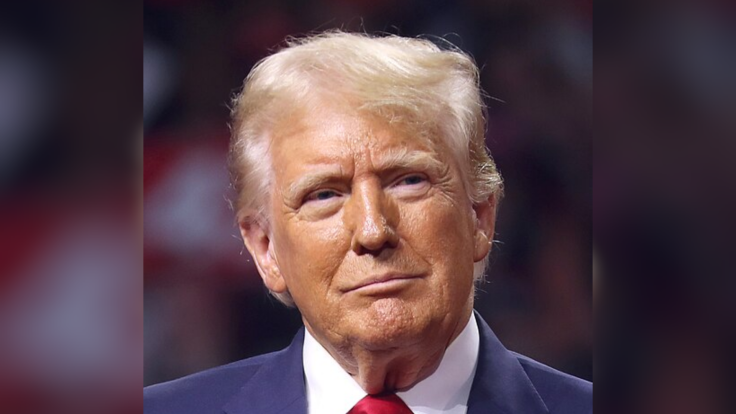
Donald Trump's personal fortune has reportedly surged by roughly 273% since he took office, according to figures cited by Senator Bernie Sanders on X, which raised sharp questions about wealth accumulation at the top while millions of Americans struggle with rising costs of food, housing and healthcare.
The assertion has ignited scrutiny of how the president's wealth has evolved in political office, particularly as wage growth lags behind everyday costs, housing markets remain strained and consumer prices continue to outpace earnings for many. Independent financial experts and public records suggest a complex picture beneath the figure touted on social media.
Trump's Wealth Trajectory
Trump's personal financial disclosures and independent wealth estimates provide the primary data underpinning claims about his wealth changes over recent years.
According to Forbes, Trump's net worth was estimated at around £4.3 billion ($7.3 billion) as of September 2025, after an increase of about £1.8 billion ($3 billion) over the previous year. This surge was driven by gains in liquid assets, cryptocurrency holdings and elimination of certain legal penalties.
Donald Trump's wealth has nearly TRIPLED since he became president, driven largely by crypto ventures fueled by foreign governments.
— Bernie Sanders (@BernieSanders) December 27, 2025
We need a president who works to improve life for the millions who can’t afford food, housing or health care, not one who enriches himself. pic.twitter.com/txfS6I9to9
Forbes' valuation lays out components of Trump's fortune, from crypto asset holdings and stakes in Trump Media and Technology Group to his portfolio of golf clubs and real-estate holdings. It attributed a major portion of the recent growth to cryptocurrency ventures and successful legal outcomes that removed roughly £370 million ($500 million) in liabilities.
Trump's own financial disclosures filed in 2025, required for public officials, show substantial reported income including £405 million ($600 million) from various sources in 2024, from golf courses and resorts to licensing fees and crypto assets, alongside cryptocurrency holdings and other asset positions.
These disclosures represent only part of the picture; they detail income but do not include full tax returns or the algorithms used by Forbes to calculate net worth changes.
Legal Scrutiny and Questions About Valuations
The evolution of Trump's reported wealth is also being examined in the context of legal disputes over past financial reporting.
In a long-running New York business fraud lawsuit, the state's attorney general alleged that Trump and the Trump Organization significantly exaggerated asset values in financial statements to secure favourable financing and deals. That case resulted in a judge finding that asset values, including Trump Tower and Mar-a-Lago, had been materially overstated in the past.

The lawsuit alleged that valuations were inflated by hundreds of millions, if not billions of pounds, in statements submitted to banks and insurers. A summary judgement found these mis-valuations significant enough to merit termination of business licences for some associated entities.
These legal disputes stress an ongoing debate about how net worth is calculated for private individuals with complex, leveraged portfolios. Wealth estimates frequently rely on valuations that are neither audited nor subject to the same standards as public company financials. Independent experts caution that such figures can be volatile and reflective of market sentiment as much as underlying economic activity.
Wealth Gain Versus Cost Of Living Pain
Trump's reported ascent in personal wealth comes amid broad economic pressures affecting a large swathe of the US population.
Economic data shows that wage growth has lagged behind inflation for many middle- and lower-income households, squeezing budgets for essentials such as rent, food and healthcare. According to Bank of America card-holder spending data, a significant percentage of households spend most of their income on necessities, leaving little room for savings or discretionary outlays.
While the precise figure varies by measure, experts describe this as a K-shaped economic recovery, where affluent individuals with capitalised assets pull ahead while average wage earners struggle to keep pace with cost increases.
Trump's America: little guy screwed, big guy cashes in:
— Dan Koh (@dank) July 3, 2025
- No $7,500 for your car, oil/pharma subsidies remain
- Hoops for healthcare, billionaires get tax breaks
- Housing funds slashed, developers get tax write-offs
- Audits cut for them, not you
A crock — & a rigged system. pic.twitter.com/pKsu06INwG
Critics say that the contrast between rising wealth at the top and stagnant living standards for many constitutes a growing economic divide. They argue that policies over recent years, including tax changes and regulatory rollbacks, have disproportionately benefited wealthy individuals and corporations.
Supporters of the administration counter that broader economic indicators such as employment rates and GDP growth paint a more positive picture of overall economic health. They also underscore that reported net worth increases often reflect market movements rather than direct policy manipulation.
As the debate intensifies over economic equity and the implications of a president's personal wealth growing significantly in office, the numbers emerging from disclosures and independent evaluations will continue to fuel discussion about fairness and financial policy in the United States.
© Copyright IBTimes 2026. All rights reserved.
- MOST POPULAR IN World


