

Elon Musk Celebrates 9% Federal Workforce Drop After Aggressive Downsizing Push
Elon Musk celebrates a 9% federal workforce drop, fuelling debate over downsizing and its human impact.
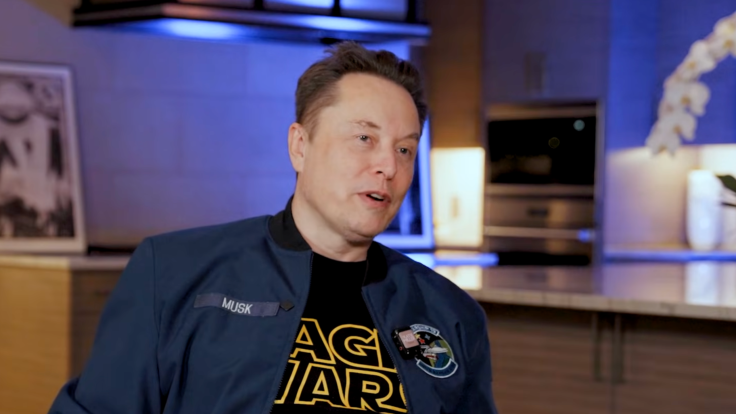
Elon Musk has declared victory as the US federal workforce plunged by nearly 9 per cent — a shift he says proves the government 'matrix was reprogrammed'.
In a move that has captivated supporters and critics alike, the world's richest entrepreneur took to social media to celebrate a substantial reduction in federal employment, crediting his role leading the Department of Government Efficiency (DOGE) for what he described as a historic restructuring.
This drop in staffing represents the most significant contraction of the federal workforce in decades, but the broader implications for public services and government spending remain deeply contested.
While Mr Musk framed the outcome as a triumph for efficiency and reform, lawmakers, union leaders and policy experts have sounded alarms about the consequences for communities and services that rely on federal institutions.
Musk Declares Success Amid Workforce Shrinking
Elon Musk marked the nearly 9 per cent reduction in federal employment with a bold statement on social media, asserting that 'the matrix was reprogrammed' in reference to his DOGE-led initiative.
According to a report detailing employment figures, the federal workforce fell from 3.015 million to approximately 2.744 million by November 2025 — the largest decrease since the demobilisation periods after World War II and the Korean War.
Musk's comments drew widespread attention, amplified by supporters who view the cuts as a long-overdue trimming of government bloat.
DOGE was established under President Donald Trump's second administration to pursue sweeping cost-cutting measures and to identify areas of 'waste, fraud and abuse' across federal agencies.
But while the workforce shrinkage grabbed headlines, the broader fiscal picture is less clear-cut.
Even with fewer employees, total federal spending in 2025 reached around $7.6 trillion — surpassing figures from the prior year — largely due to entrenched entitlement programmes and rising interest costs.
Experts emphasise that employment numbers alone do not equate to lower government expenditure.
Human Impact and Public Response
Amid the celebration, many former federal employees and their advocates have highlighted the very real impacts of the job losses. Worker accounts and polling data indicate deep concern about the consequences for both individuals and the broader delivery of essential services.
A majority of Americans reportedly opposed major cuts to staffing at key agencies, particularly in public health sectors, citing potential risks to veterans' care, disease research and food safety.
Veterans — who make up a significant share of the federal workforce — have also reported being disproportionately affected by layoffs, with thousands losing jobs without clear pathways to re-employment or support.
A letter from several US senators expressed 'great concern' about the lack of assessment into how these cuts would impact veterans' livelihoods and the agencies they serve.
Labour unions and employee groups have been vocal, arguing that the speed and scale of the downsizing have undermined service quality and morale, and left communities uncertain about access to critical government functions.
Some commentators have described the atmosphere as chaotic, with employees feeling 'demonised' for their public service roles.
The matrix was reprogrammed https://t.co/Qrnq0Kd8Kq
— Elon Musk (@elonmusk) December 19, 2025
Political Divides and Institutional Pushback
Several reports claim that the federal workforce reduction has sharpened political divisions in Washington.
Supporters of the cuts, including some Republican lawmakers, argue that streamlining government is essential for economic efficiency and fiscal responsibility.
Critics, however, contend that the approach is too abrupt and risks eroding institutional capacity.
Several agencies reportedly resisted Musk's directives, with internal communications urging staff to ignore external orders that fell outside established chains of command.
This pushback highlights the tension between Musk's unprecedented corporate-style intervention in government and traditional civil service structures.
The debate also extends to legal and constitutional questions about the authority and limits of an appointed efficiency chief to influence federal employment decisions without legislative oversight.
What Comes Next
As celebrations from Musk and his allies reverberate online, the longer-term effects of the 9 per cent workforce drop remain to be seen.
While some see it as a bold experiment in modernising government, others warn that the social costs — particularly for vulnerable populations who depend on federal programmes — may outweigh any efficiency gains.
The story of this dramatic workforce contraction is still unfolding, with policy analysts, elected officials and the public closely watching what reforms — and repercussions — lie ahead.
© Copyright IBTimes 2026. All rights reserved.