

How Erwan Ferriere Helped Turn Instagram DMs Into a Direct-to-Fan Channel for the Music Industry
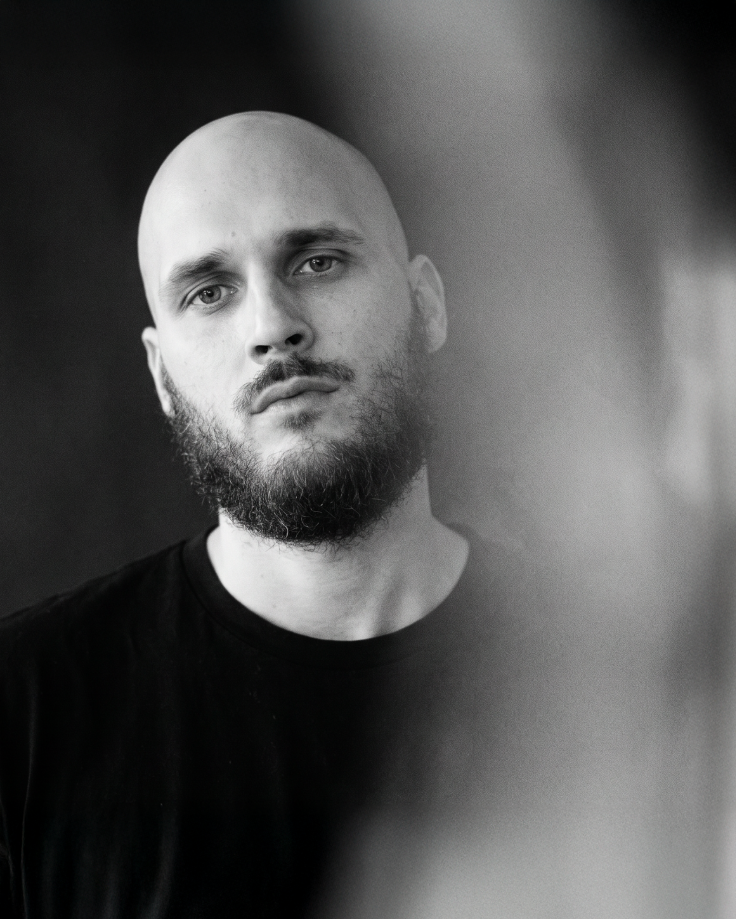
Millions of followers can create the appearance of an enormous customer base while leaving a record label surprisingly little information about the people behind those accounts. Erwan Ferriere encountered that problem while bringing Instagram direct-message campaigns into the music industry. Artists could reach large audiences through social platforms, yet their teams often had no direct way to identify those fans, understand what interested them, or contact them again outside the platform's algorithm. Erwan saw an opportunity to turn social engagement into a customer relationship the artist or label could continue using.
Erwan, a direct-to-consumer and AI creative strategist and Account Manager at Drop, started by proving the model with individual artists. The results quickly caught the attention of major labels, where he presented the approach and trained their teams to run it themselves.
The work required him to connect departments that often operated separately. Social teams were responsible for engagement, while CRM and direct-to-consumer teams managed customer data and commerce. Erwan designed campaigns that gave both groups a role in the same customer journey, allowing an interaction that began on Instagram to produce information and commercial opportunities that could continue after the original post was gone.
"Artists had built huge audiences on social media, but the teams behind them were often disconnected: social on one side, CRM and e-commerce on the other," Erwan said. "In 2026, it's all about monetizing the audiences you've already built. My job was to show them that everything is connected, and to bridge the gap between social media engagement and real business results."
Erwan spent months building proof through artist campaigns before expanding the method. He used those early results to present the channel to Universal Music, Sony Music and Warner Music. According to Ferriere, all three major labels adopted DM campaigns within a year, and the approach has since spread to independent labels such as Believe and to independent artists.
Across music media and label campaigns, Ferriere says the model has now been used in hundreds of fan campaigns, including work involving artists such as Angélique Kidjo, Favé, Tony Ann and Ronisia. Across those campaigns, a clear set of benchmarks has emerged. On average, audiences captured through Instagram DMs convert at around 6.7% through a direct-to-consumer funnel connecting Instagram, music media and labels' own stores, and can generate up to $470 in monthly revenue per 1,000 fans. For music organizations, it puts a concrete value on an audience that, until now, existed only as followers. The system has also been adopted across Europe, the United States and Latin America, giving Ferriere a way to apply the same underlying model across different artists, teams and markets.
Angélique Renaud, Head of Direct to Fans at Believe, credits Ferriere with helping establish a new way for artists to engage their audiences. "Erwan played a key role in establishing Instagram automated DMs as a new way for our artists to engage their fans," Renaud said. "It set new standards in the industry and unlocked new sales channels for artists like Naza, a French singer and rapper, and Sabaton, a Swedish metal band."
The significance of that shift becomes clearer when the size of a social following is separated from the quality of the relationship behind it. A large audience can still leave an artist dependent on the platform whenever a new release, tour, or merchandise campaign needs attention. Erwan's work focused on converting some of that engagement into first-party relationships that artists and labels could use again, giving them a direct way to reach people who had already expressed interest.
Before working in tech, Erwan led e-commerce for multiple fashion brands. He brought that brand-side experience to Drop, where he helped shape its social commerce approach, and then to the music industry.
"A fan's relationship with an artist is much deeper than a customer's relationship with a brand," Ferriere said. "So when you apply D2C techniques to music, they work even better."
Erwan says the approach is now expanding beyond record labels into ticketing platforms, stadium venues and the sports industry, where the same challenge remains: organizations attract large audiences online but still lack a direct relationship with most of the people following them. As artists, venues and teams look for ways to reach their fans without depending on algorithms, the work is becoming relevant across live entertainment and sports.
Erwan's work provides a concrete example of what audience ownership can look like inside the music business. Social engagement that once disappeared into a platform feed can become an identifiable fan relationship that an artist or label can continue through future releases, ticket offers, and merchandise campaigns. As the method moves into other parts of live entertainment, the larger shift is becoming harder to ignore: a large following has limited value if the people behind it remain unreachable.
© Copyright IBTimes 2026. All rights reserved.