

'Dragon's Den' Judge Claims 'Terrified Participants' Were Bullied on Set, Reveals Why He Nearly Quit
Richard Farleigh shares insights on the intimidating atmosphere of 'Dragons' Den'
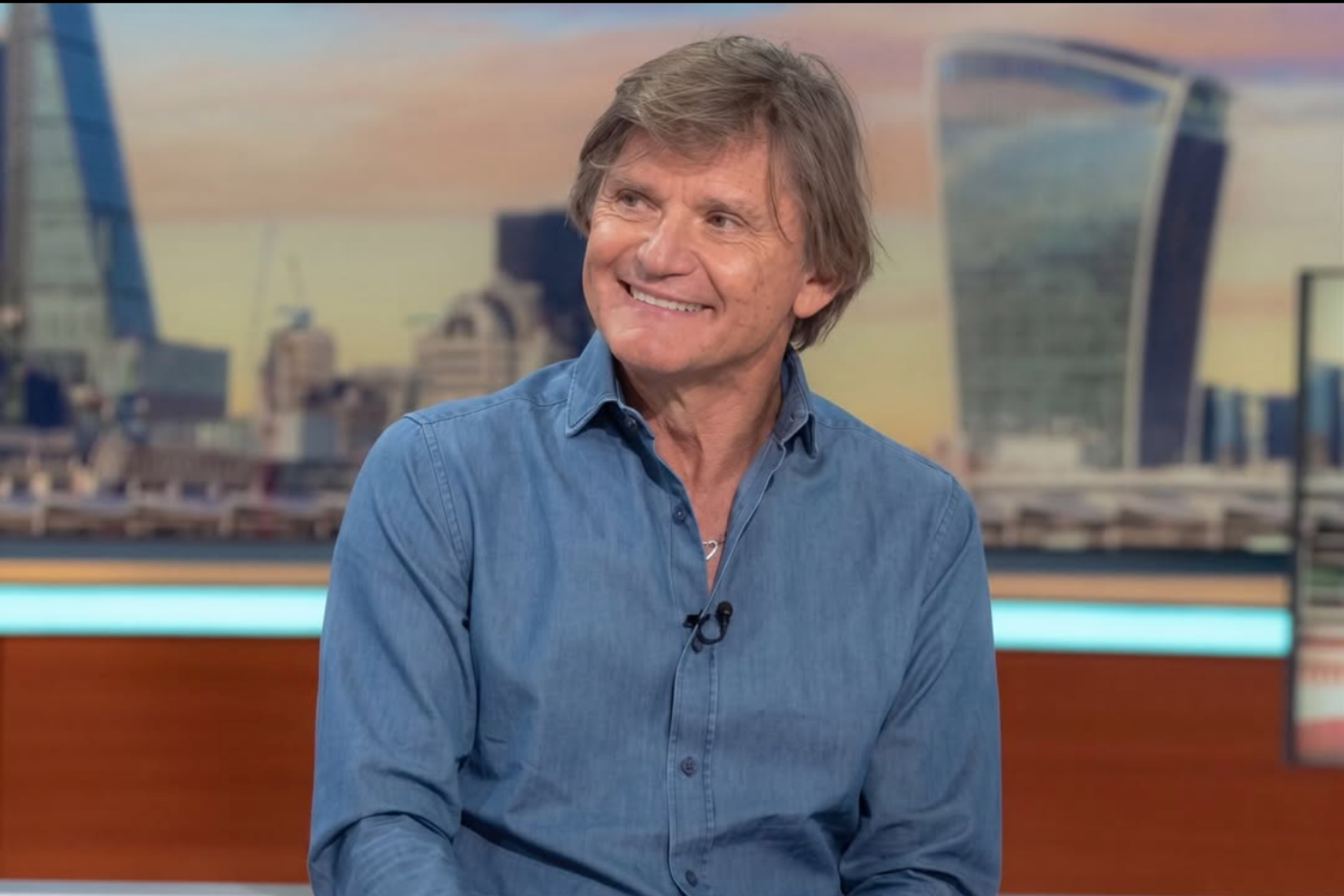
A former Dragons' Den investor has claimed that entrepreneurs on the BBC investment show were bullied on set, and that he once threatened to quit after a contestant was reduced to tears.
Richard Farleigh, the Australian-born financier who sat on the panel for series three and four, laid out the allegations in a LinkedIn post looking back on his time on the programme almost two decades ago. He described the pitching room as a 'terrifying' place for the entrepreneurs who came hoping to win backing.
On the show, entrepreneurs pitch business ideas to a panel of investors in return for a stake in their companies.
Farleigh described one incident in detail. He said he was asked to speak to a contestant after filming because the man was so distressed. During filming, the entrepreneur had been told: 'You're either stupid or dishonest, or probably both.'
The man confided that he had grown up in the care system, as Farleigh himself had, and had hoped the investor would back his business. Farleigh said he told the director that 'I would quit the show and publicly condemn it' if the footage was ever broadcast. It never aired.
Why the Den Was 'an Unfair Game'
Farleigh argued the format was weighted against the people pitching. Contestants were not allowed to see the set beforehand, he said, so they walked in to face five Dragons and a crew of around 20 people watching at close range. Filming stretched over about four weeks, he said, and he was given no formal training for the role.
For many, he said, it was 'the most important day of their business lives.' The investors, by contrast, sat comfortably with little at stake while those pitching had everything to lose.
He also claimed that only about 10% of the footage ever reached the final edit and suggested the corporation was reluctant to let its Dragons look foolish.
Why Some Dragons Turned 'Nasty'
Farleigh said he was taken aback by the conduct of some of his fellow panellists. 'I was shocked by how nasty some of the other dragons were,' he wrote, adding that producers had told him the programme needed friction so that pitches carried a sense of jeopardy.
The upshot, he said, was that Dragons would often criticise a pitch to the point of ridicule. 'Occasionally, it even felt like bullying, which made me uncomfortable,' he wrote. He did not say which investor he meant.
The Investor Behind the Claims
Before the Den, Farleigh had made his fortune as a trader and fund manager, retiring to Monte Carlo in his thirties. He was ranked on the 2006 Sunday Times Rich List with an estimated £66M ($89M).
During his two series, he backed a mixed run of businesses. He agreed seven deals on camera, though two collapsed after filming, leaving five completed investments. His largest on-screen deal was £100,000 ($135,000) for a 30% stake in First Light Solutions, a man-overboard detection firm that was later dissolved. His best-known was Levi Roots' Reggae Reggae Sauce, which he and Peter Jones backed with a combined £50,000 ($67,500) for a 40% share. The sauce went on to sell across major UK supermarkets.
Farleigh did not return after series four in 2007 and was replaced by James Caan. Dragons' Den began on the BBC in 2005 and still airs today, more than 20 years on.
But Farleigh also praised the programme, saying he had enjoyed working with the BBC and found the other Dragons professional and pleasant to work with.
He added that 'in the vast majority of cases,' the show was fair to contestants and good to watch.
Farleigh has not named the contestant or the Dragon involved, and the exchange he described was never shown.
© Copyright IBTimes 2026. All rights reserved.