

Free Chickenpox Jabs Start Across UK as NHS Adds Vaccine to Routine Childhood Schedule
Programme saves NHS £15m annually whilst protecting children
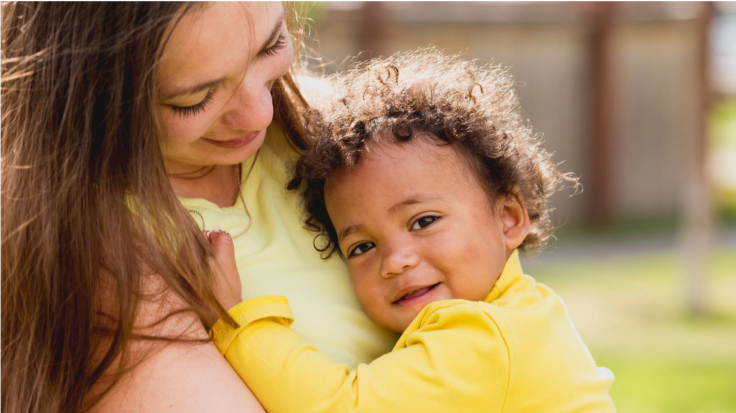
The NHS has launched free chickenpox vaccinations for children across the UK today, marking the first time the jab has been added to the routine childhood immunisation schedule since 2015.
GP practices began offering the combined measles, mumps, rubella and varicella (MMRV) vaccine to eligible children from 1 January 2026. The rollout will protect around 500,000 children each year whilst saving families the £150 (approximately $202) private vaccination cost.
Health Secretary Wes Streeting described the launch as a 'historic milestone'. 'Many families have faced the threat of chickenpox, which can cause serious complications', he said, according to NHS England.
How the Programme Works
Children born on or after 1 January 2025 will receive two doses at 12 months and 18 months. Those born between 1 July 2024 and 31 December 2024 will get two doses at 18 months and 3 years 4 months.
Children born between 1 September 2022 and 30 June 2024 will be offered one dose at 3 years 4 months. A catch-up programme will run between November 2026 and March 2028 for children born between 1 January 2020 and 31 August 2022, according to the UK Health Security Agency.
GP surgeries will contact parents automatically when children become eligible.
Economic Impact and Disease Prevention
Chickenpox costs UK families approximately £24 million ($32 million) annually in lost income and productivity. The NHS expects to save £15 million ($20 million) per year in treatment costs.
Dr Claire Fuller, National Medical Director for NHS England, called it a 'hugely positive moment' for families.
Chickenpox is highly infectious and usually mild, but can lead to serious complications including chest infections and seizures requiring hospitalisation. In rare cases, it can be fatal.
Latest data shows half of children contract chickenpox by age four, and 90 per cent by age ten.
International Evidence Supports Rollout
The MMRV vaccine has been used safely for over a decade in the United States, Canada, Australia and Germany, with substantial decreases in chickenpox cases and hospital admissions.
Clinical data shows two doses provide around 97 per cent protection against chickenpox.
Professor Steven Turner, president of the Royal College of Paediatrics and Child Health, welcomed the rollout. 'Vaccinations are proven to be a very effective way to protect children's health', he said.
Dr Gayatri Amirthalingam, Deputy Director of Immunisation at UKHSA, noted that whilst most parents consider chickenpox common and mild, 'for some babies, young children and even adults, chickenpox can be very serious, leading to hospital admission and tragically, while rare, it can be fatal'.
Changes to Vaccination Schedule
For children born on or after 1 July 2024, the second MMRV dose will now be given at 18 months rather than 3 years 4 months, providing earlier protection.
The second meningococcal B dose has moved from 16 weeks to 12 weeks. The first pneumococcal vaccine dose has shifted from 12 weeks to 16 weeks.
These updates aim to provide earlier protection against serious diseases, according to UKHSA guidance. This is the first time protection against another disease has been added to the routine programme since the MenB vaccine in 2015.
© Copyright IBTimes 2026. All rights reserved.