

Hillary Clinton Demands The Oversight Committee Subpoena Elon Musk In Explosive Power Clash
Clinton's call for Musk's testimony marks a significant development in the ongoing Epstein investigation.
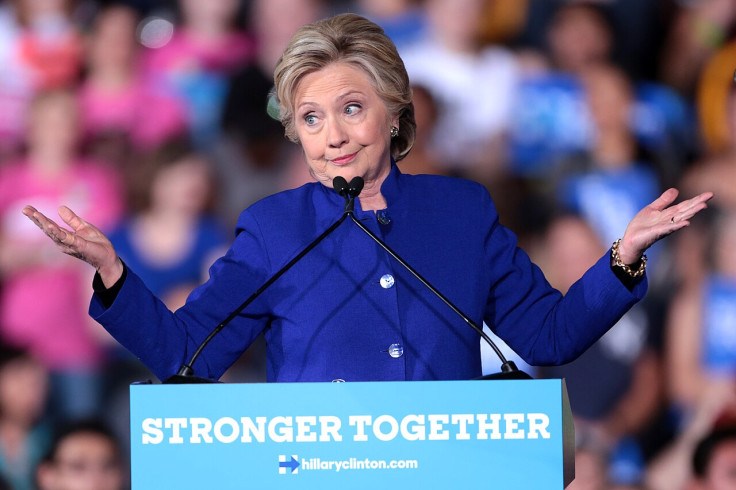
In a dramatic escalation of congressional oversight, former United States Secretary of State Hillary Clinton has formally urged the US House Oversight Committee to expand its investigative reach by compelling tech billionaire Elon Musk to testify under oath, marking an extraordinary convergence of political power and Silicon Valley influence.
Hillary Clinton's appeal follows weeks of contention between the Oversight Committee and political figures over accountability and transparency in the wake of the Jeffrey Epstein files disclosure and broader concerns about the influence of corporate titans on public governance. Her call reflects mounting political pressure and a strategic shift in the focus of congressional scrutiny, as lawmakers grapple with complex intersections between political elites, high-profile businessmen, and the justice system.
Clinton's demand adds a significant new chapter to a month-long saga of subpoenas, depositions, and partisan contention that has gripped Washington and spotlighted deep fractures in how elected officials conduct oversight of power.
Escalation In Oversight: From Epstein To Elon Musk
The Oversight Committee's inquiry began as a focused probe into the late financier Jeffrey Epstein's criminal network and its connections to influential figures across politics and business. In October 2025, the committee issued subpoenas to a range of individuals and entities linked to Epstein, including former President Bill Clinton and his wife, after uncovering fragments of contact logs and photographs connecting them with Epstein's social circle.
During her testimony before the committee, Clinton asserted she had no personal knowledge of Epstein's criminal activities and did not recall ever encountering him. She insisted she had never visited his properties, flown on his aircraft, or engaged in other interactions that might shed light on Epstein's crimes.
However, the Oversight Committee's mandate has broadened amid political debate over transparency and accountability. The hearing's chair, Representative James Comer, has emphasised that the investigation aims not only to expose concrete links but also to understand how powerful networks could have shielded wrongdoing from scrutiny.
Against this backdrop, Clinton's recent recommendation that the Oversight Committee subpoena Elon Musk has become a focal point of political discourse. In public remarks, she suggested that the panel's attention should include other influential figures whose interactions with Epstein-related documentation, including contact lists and correspondence, have generated curiosity among lawmakers and watchdogs.
🚨After years of questions, denials, and media silence, the Clintons are finally sitting for their Epstein depositions.
— Bethany O’Leary 🇺🇸 🦅 (@BBMagaMom) February 26, 2026
Hillary goes first today. Bill follows.
Closed doors. Under oath. Recorded.
For decades, the powerful operated in Epstein’s circle like it was nothing.… pic.twitter.com/EYgnfT5y8H
New Subpoena Push Deepens Political Tensions
The suggestion that Mr Musk should be brought before Congress has fuelled contention on Capitol Hill. Unlike the Epstein hearings, no official subpoena has yet been issued against Musk, and there is no indication he has been formally asked to provide testimony related to the ongoing committee investigations. Nevertheless, Clinton's remark has amplified debate about the role of billionaire executives in public affairs and the limits of congressional oversight.
Oversight Committee Democrats and Republicans have offered mixed views. Some committee members view Clinton's call as a strategic attempt to broaden investigative scope, citing the presence of individuals with documented associations to Epstein in portions of the released files, including emails and lists of notable figures that reference Musk in some capacity.
Others question the relevance of Musk's business ventures, including his roles leading SpaceX, Tesla, Twitter and other enterprises, to the committee's core mission, warning against conflating association with culpability. A balanced perspective sees the suggestion as part of a broader argument that congressional oversight must adapt to emerging intersections between public policy, private wealth and societal influence.
Clinton's constitutional right to call on the committee to consider additional subpoena targets aligns with her broader critique that the judicial and legislative branches must confront all elements of power when investigating systemic issues such as sex trafficking and institutional accountability.
Legal Powers And Institutional Boundaries
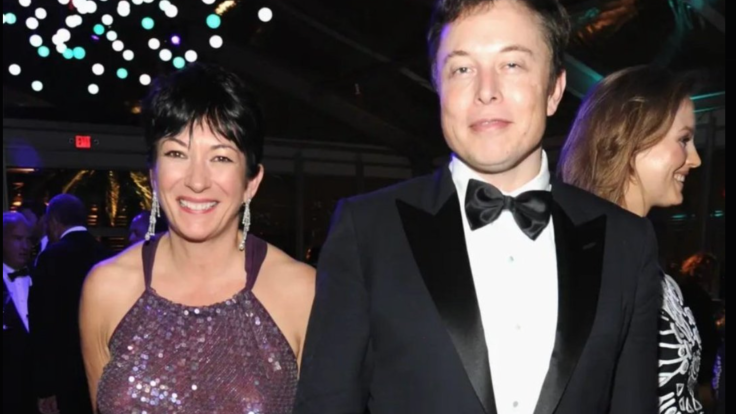
Congress's authority to issue subpoenas and conduct oversight flows from Article I of the United States Constitution, which empowers legislative committees to investigate and legislate in service of the public interest. Subpoena powers enable committees to compel testimony and evidence from witnesses believed to hold relevant information.
In the Epstein investigation, the Oversight Committee has pursued multiple avenues of inquiry, including examination of the Department of Justice's compliance with the Epstein Files Transparency Act, a law passed in November 2025 requiring full disclosure of unclassified documentation relating to Epstein's prosecution and connections.
The law's passage followed bipartisan concern that extensive redactions and slow disclosure of the files had obscured critical details. Subsequent releases in December 2025 and January 2026 yielded millions of pages of material, prompting further questions from lawmakers.
Clinton's appeal to subpoena Musk emerges in this environment of heightened scrutiny, where the boundaries of legislative oversight and the reach of executive privilege are actively negotiated.
Broader Implications And Public Reaction
The debate over Musk's potential subpoena has reverberated beyond Washington's corridors, sparking commentary among legal experts, civil society groups and the public. Advocates for robust oversight argue that including influential private actors could promote transparency in government and large-scale corporate conduct.
Critics argue that expanding the inquiry to figures like Musk risks diluting the investigation's focus and diverting attention from the core issues within the Epstein case. They contend that public hearings and transparent evidence-gathering should remain central to congressional oversight to preserve trust.
Yet Clinton's forceful suggestion has underscored a fundamental question facing American governance: how to balance powerful private sector leadership with democratic accountability and public scrutiny.
In urging the Oversight Committee to consider a subpoena for Elon Musk, Clinton has amplified a broader discourse about power, influence and responsibility in the 21st century.
The Oversight Committee has not yet confirmed whether it will act on Clinton's suggestion.
© Copyright IBTimes 2026. All rights reserved.