

Bill and Hillary Clinton Set to Testify in Congress on Epstein After Refusing Subpoenas - What Could They Say?
The agreement follows months of resistance as lawmakers reopen scrutiny of Epstein's elite connections
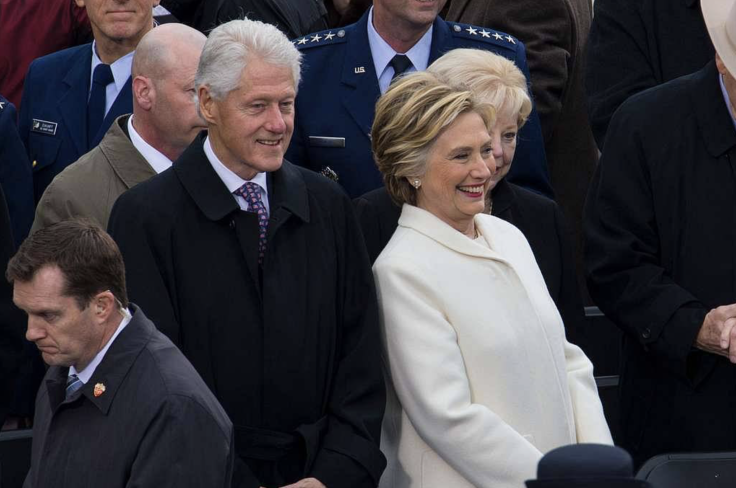
Former US president Bill Clinton and wife Hillary are set to testify before Congress in a renewed investigation into Jeffrey Epstein, after previously declining to appear despite being subpoenaed.
The House Oversight and Accountability Committee confirmed the pair have now agreed to testify under oath, reversing months of legal resistance in which their representatives challenged the subpoenas and proposed written statements or limited interviews instead. The shift has reignited public attention on Epstein's network and raised fresh questions about the scope of congressional scrutiny.
Why Congress Is Renewing the Epstein Inquiry
Lawmakers say the push for testimony is driven by newly-unsealed court filings and previously undisclosed material linked to Epstein's associates, arguing the documents warrant closer scrutiny of how he maintained access to political, financial and social elites for years.
The Oversight Committee has said the inquiry aims to establish a clear factual record rather than pursue criminal allegations, focusing on patterns of access and awareness instead of revisiting Epstein's convictions. Supporters argue greater transparency is necessary after years of reporting exposed repeated institutional failures to limit his influence.
Previous Refusal to Testify Becomes Central to Timeline
Before agreeing to testify, Bill and Hillary Clinton repeatedly declined to appear in person after being subpoenaed in 2025, with their legal team arguing the subpoenas were invalid and politically motivated. They instead offered sworn written statements or closed-door interviews.
The committee rejected those alternatives and moved toward contempt proceedings, increasing pressure on the former president and former secretary of state. Their eventual agreement to testify is now viewed as a procedural win for lawmakers, even as critics question whether it will yield substantive answers.
What Bill and Hillary Clinton Are Likely to Be Asked
Questioning is expected to focus on the nature and extent of interactions with Epstein rather than allegations of wrongdoing. Bill Clinton has acknowledged travelling on Epstein's private jet in the early 2000s but has said he was unaware of Epstein's criminal activities.
Lawmakers are likely to examine timelines, travel records and the context of any social or professional contact, although no official list of questions has been released. Legal analysts note that high-profile witnesses often limit responses by citing memory gaps or legal protections, a pattern common in past congressional hearings.
Public Reaction Reflects Cross-Partisan Frustration
Online reaction to the planned testimony has been intense and largely non-partisan, with many commentators arguing accountability should extend to anyone named in Epstein-related materials regardless of political affiliation.
Testify them all. Clinton. Trump. Anyone named in the files. Accountability isn’t partisan. pic.twitter.com/WGSPbtrCup
— Peter A Patriot (@PeterAPatriot) February 3, 2026
Some posts reference figures such as Donald Trump, despite no indication he has been subpoenaed in this inquiry, reflecting broader frustration over perceived double standards for political elites. Media analysts note that Epstein-related stories continue to draw unusually high engagement, driven by lingering institutional distrust and unresolved questions surrounding the case.
Are we going to take a drink every time the phrases “on advice from counsel I exercise my right under the 5th Amendment” or “I do not recall”?
— Lou 🫦 (@LouAZMerrijul) February 2, 2026
When? So I can request the day off 😉
Legal and Political Limits of the Hearings
Despite heightened expectations, congressional testimony has clear limits, as lawmakers cannot compel self-incrimination and hearings alone do not establish criminal liability without prosecutorial follow-up.
Critics note that past high-profile inquiries have often generated dramatic moments without resulting in charges or reform, warning the Epstein hearings could become symbolic. Supporters counter that sworn testimony still matters, arguing statements on the record can expose inconsistencies and preserve evidence for future investigations.
When the Testimony Happens and Why It Matters
The Oversight Committee has not confirmed a date for the Clintons' testimony, citing ongoing scheduling and procedural discussions, while other potential witnesses linked to Epstein's social and financial circles remain under review.
Whether Bill and Hillary Clinton offer substantive answers or tightly framed testimony may shape public perceptions of the inquiry's credibility, as lawmakers seek to show the investigation goes beyond political theatre. As Epstein's legacy continues to loom, the planned testimony marks another effort to confront unresolved questions about power, proximity and accountability at the highest levels.
© Copyright IBTimes 2026. All rights reserved.