

Jeffrey Epstein Files: Clintons, Royals and Mandelson Risk a Power Reckoning
Testimony threats, buried emails and royal pressure converge as unanswered questions return
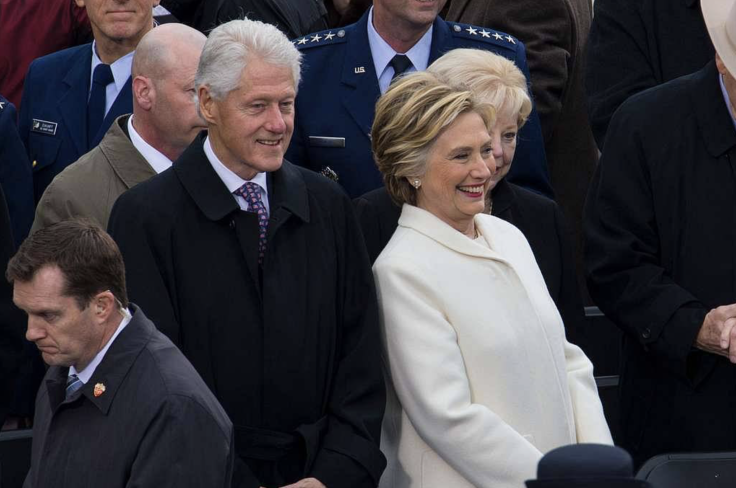
The long-dormant Jeffrey Epstein scandal is again unsettling some of the world's most powerful names, as US lawmakers edge closer to forcing testimony from Bill and Hillary Clinton. What began as a document release has widened into a political test of accountability, touching British power brokers and European royals.
As a congressional contempt vote looms, renewed scrutiny over selective redactions and newly surfaced communications is fuelling concern that the Epstein files may expose how influence shields reputations and delays consequences across borders.
The fallout now spans Washington, London and European royal circles, with figures once considered peripheral finding themselves pulled back into a case that refuses to fade.
Clinton Testimony Raises Stakes in US Congress
Bill and Hillary Clinton have agreed to testify before the US House Oversight Committee as lawmakers prepare to vote on whether to hold them in contempt of Congress. According to BBC News, the move follows frustration among investigators over delayed cooperation and incomplete disclosures tied to Epstein's network and contacts.
Committee members argue the testimony is essential to understanding how Jeffrey Epstein maintained access to political and social elites long after his 2008 conviction. While the Clintons have denied wrongdoing, the timing of their agreement has heightened speculation that Congress may push further if answers are deemed insufficient.
For families of Epstein's victims, the moment carries emotional weight. Many see the hearing as a rare chance for senior figures to explain decisions that allowed Epstein to retain influence for years.
Mandelson Link Revives Questions in Britain
Across the Atlantic, the files have reopened scrutiny of Peter Mandelson, a senior Labour figure who served as the de facto deputy prime minister under Gordon Brown in 2010. In a report by The Guardian, newly disclosed Epstein emails were pivotal in reviving questions about Mandelson's relationship with the disgraced financier.
Mandelson has previously acknowledged contact with Jeffrey Epstein but denied knowledge of his crimes. The emails, however, have raised concerns about judgement and access, particularly given Epstein's conviction for procuring a child for prostitution and his subsequent release from jail.
The renewed focus has unsettled Westminster, where critics argue the case illustrates how political stature can insulate figures from lasting consequences.
Royals Drawn Into Widening Scrutiny
The Jeffrey Epstein files have also placed pressure on royal households in Britain and Norway. The newly released emails and references have renewed attention on past associations involving Princess Fergie and links that stretch into Scandinavian royal circles, the New York Times noted.
Even though no allegations of criminal conduct have been made against royal family members, campaigners say the appearance of royal names underscores how Epstein cultivated legitimacy through proximity to power. The disclosures have prompted calls for greater transparency from institutions accustomed to silence.
In Norway, the case has sparked debate about how reputational risk is managed within royal frameworks, particularly when historical connections resurface without warning.
Redactions, Power and What Remains Unknown
The most unsettling, however, are the gaps. Large portions of the Epstein files remain heavily redacted, with names, dates and locations obscured without clear explanation, NPR noted. Critics argue the randomness of the redactions fuels suspicion that reputations, rather than privacy, are being protected.
As Congress presses forward and international scrutiny intensifies, the Jeffrey Epstein case is no longer just about past crimes. It has become a test of whether power still determines whose stories are fully told.
© Copyright IBTimes 2026. All rights reserved.