

Bill Clinton and Hillary Clinton to Testify on Epstein — What Comes Next for the Investigation
The House inquiry enters a new phase after the couple agree to appear
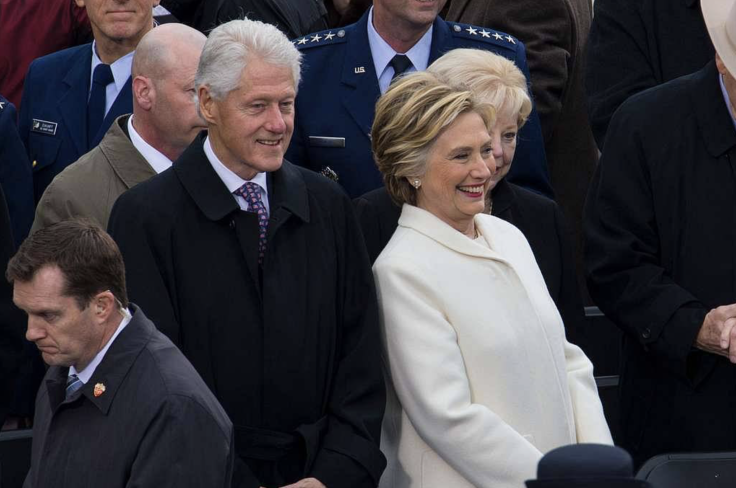
Bill and Hillary Clinton have agreed to testify before a Republican-led House inquiry into Jeffrey Epstein, a move that escalates a long-running congressional investigation and raises fresh questions about what steps lawmakers could take next. The decision follows weeks of tension between the couple's legal team and the House Oversight Committee, which had threatened criminal contempt if the former president and former secretary of state refused to cooperate.
A spokesman for Bill Clinton confirmed the agreement on social media, saying both Clintons would appear and criticising the committee's handling of negotiations. The development places the inquiry at a procedural crossroads, with lawmakers now weighing how to conduct the testimony and what actions may follow once it is complete.
Why the Clintons Are Being Called to Testify
The House Oversight Committee has been examining matters linked to Epstein's associations and the handling of past investigations and prosecutions. While the panel has not accused the Clintons of criminal wrongdoing, it has argued that testimony from high-profile figures is necessary to establish a full record of what senior political leaders knew and when.
Committee members have said the inquiry is focused on accountability and transparency, rather than reopening closed criminal cases. The scope remains limited to congressional oversight powers, not a criminal prosecution.
Dispute Over How the Testimony Will Be Conducted
According to a committee letter to the Clintons' lawyers, the couple had proposed that Bill Clinton give a transcribed interview and that Hillary Clinton submit a sworn written declaration. The committee rejected that offer, insisting on testimony it considers sufficient to meet its investigative aims.
According to The Guardian, the House Oversight Committee had already moved toward advancing criminal contempt proceedings after rejecting the Clintons' proposed arrangements, with lawmakers arguing that a private transcribed interview and a sworn written declaration would fall short of the committee's investigative requirements.
The standoff intensified pressure on both Bill and Hillary Clinton to testify under conditions set by the panel.
Republican chair James Comer has said the panel would not accept arrangements it believes limit its ability to question witnesses fully. The rejection prompted renewed warnings that the committee could pursue contempt proceedings if cooperation was withheld.
What Testifying Under Oath Means in a House Inquiry
Congressional testimony under oath carries legal obligations similar to court proceedings. Witnesses are required to answer questions truthfully, though they retain the right to invoke constitutional protections where applicable.
Transcribed interviews are typically conducted behind closed doors, while sworn declarations are written statements. Live testimony, whether public or private, allows members to ask follow-up questions in real time and is often viewed by committees as more effective.
What Happens Immediately After the Testimony
Once the Clintons testify, the committee will decide whether to release transcripts, in whole or in part. Lawmakers may also request additional documents or schedule follow-up questioning if they believe gaps remain.
The panel could broaden its witness list, calling other individuals connected to Epstein's past social and political network. Such steps would be consistent with standard House oversight procedures.
Powers the Committee Could Use Next
The House Oversight Committee has authority to issue subpoenas for documents and testimony. If it concludes that witnesses have been uncooperative or misleading, it can recommend contempt of Congress charges, though such actions require additional procedural steps.
The committee could also refer findings to other congressional panels or federal agencies, although any decision to pursue criminal charges would rest outside Congress.
What Lawmakers Have and Have Not Said
So far, committee leaders have avoided outlining specific next steps beyond securing testimony. They have stressed that the investigation remains ongoing and that no conclusions have been reached.
By agreeing to testify, the Clintons have removed one major obstacle facing the inquiry. What follows will depend on how lawmakers assess the information gathered and whether they believe further action is warranted under congressional rules.
© Copyright IBTimes 2026. All rights reserved.