Hunter Biden Asks Elon Musk To Help Laptop Coin After 98% Crash, While Invoking AI Doom Fears
The token, launched on coinbase's base network, surged to $190.81 before falling to about $3.70, while pre-launch transfers raised questions about its distribution
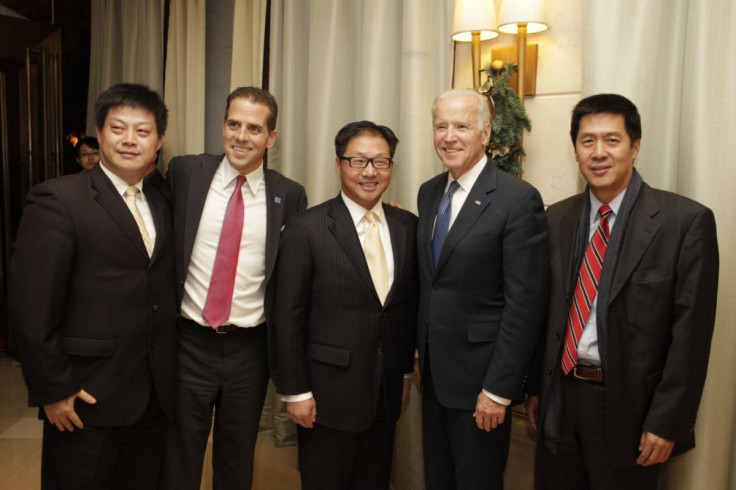
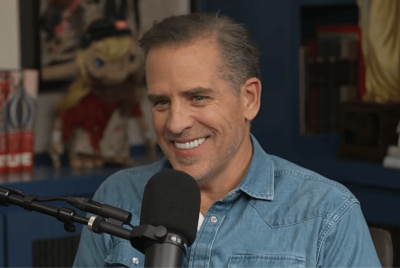
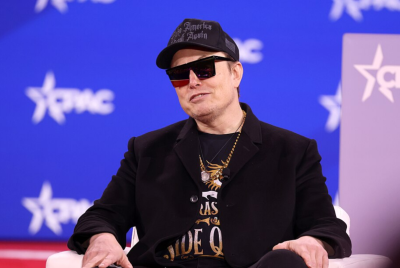
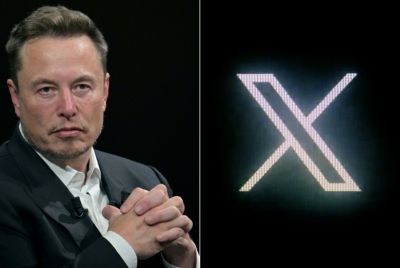
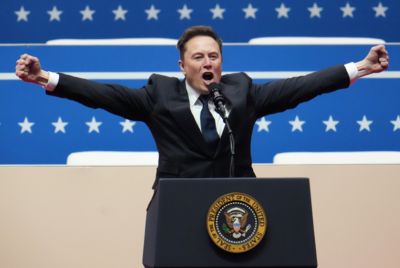
Hunter Biden has jokingly asked Elon Musk to help revive his LAPTOP memecoin after the cryptocurrency fell about 98 per cent from its reported early trading peak. Biden made the appeal on Sunday, 13 September, while invoking warnings from Musk and Anthropic chief executive Dario Amodei about the risks of advanced artificial intelligence.
Hey @elonmusk — since you and Dario both say AI might end us all by 2030, any chance we could get @laptoptoken back up before then?
— Hunter Biden (@HunterBiden) September 13, 2026
Biden tagged Musk in a post on X, saying Musk and Amodei had warned that AI might 'end us all by 2030'. He then turned the claim into a joke, asking Musk to help his struggling token before that supposed deadline.
The post came four days after LAPTOP began trading on the Base blockchain on Wednesday, 9 September. The token reached $190.81 within two minutes of opening before falling to about $3.70 during its first hour, according to CoinDesk. That represented a decline of roughly 98 per cent from the reported early peak.
From Laptop Controversy to Memecoin
Biden introduced LAPTOP as a memecoin built around the controversy surrounding the laptop he left at a Delaware repair shop in 2019, which became a major political controversy after material from it emerged publicly in 2020.
The project described the token as a symbol of 'resilience, redemption and recovery'. It was launched on Base, Coinbase's Ethereum layer-2 network, with a total supply of one billion tokens.
About 30 per cent of the supply was allocated to founders, with a six-month lock-up followed by vesting. Another 20 per cent was earmarked for airdrops to wallets that lost money on President Donald Trump's $TRUMP memecoin, Hunter Biden's Substack subscribers and a mailing list associated with journalist Andrew Callaghan.
The token's launch produced an extreme gap between its implied valuation and available liquidity. CoinDesk reported that LAPTOP was worth about $1.6 billion on an implied basis roughly an hour after launch, while pooled liquidity stood at about $2.5 million.
Pre-Launch Transfers Raise Questions
The launch also drew scrutiny over token movements before public trading began.
On-chain data reported by CoinDesk showed a multisig wallet associated with the project moving 100 million tokens, or 10 per cent of the total supply, in the week before trading opened. That included 15.5 million tokens sent to crypto market maker GSR through an intermediary address.
Those transactions do not, by themselves, establish that Biden or the project's founders engaged in illegal conduct, nor do they prove that the market was manipulated. They do provide a factual basis for questions about how the tokens were distributed and what information was available to traders before the public launch.
The project team attributed the rapid collapse to sniper bots and thin liquidity and said it planned to add liquidity after the launch. That explanation does not eliminate questions about pre-launch transfers, but it provides an alternative explanation for the extreme price movement.
Meme coins remain highly speculative and can experience severe price swings when liquidity is limited. Buyers can lose most or all of their investment rapidly.
Eric Trump also mocked the collapse, saying Hunter Biden should 'go back to painting', according to reports.
The AI Warning Behind the Joke
Biden's post referred to a genuine debate over AI safety, but condensed those warnings into a more apocalyptic prediction.
Amodei published an essay titled We Must Pace the Frontier calling for AI companies to slow the pace of frontier-model development so safety measures can keep up. He warned that, given the accelerating rate of AI capability development, a swarm of autonomous AI agents could potentially take over the internet within six to 12 months if sufficient safeguards were not in place.
Musk publicly backed Amodei's call, writing on X that 'Dario is right'. OpenAI chief executive Sam Altman also said he agreed that the industry needed to 'pace the frontier'.
The CEO of Anthropic said Saturday the artificial-intelligence industry should slow its fast-moving development to give safety measures time to catch up.
— PBS News (@NewsHour) September 12, 2026
Without it, Dario Amodei warned AI could be capable within six to 12 months of leading a swarm that could take over the…
Biden did not provide evidence in his post that either Musk or Amodei had made his specific prediction that AI could 'end us all by 2030'. Amodei's warning was instead focused on the possibility of increasingly capable AI systems causing catastrophic damage if development outpaces safety measures.
That distinction matters because the AI concerns Biden referenced are real, even if his phrasing was deliberately apocalyptic.
For now, LAPTOP's dramatic launch has produced a story that combines a crashed memecoin, a political celebrity and one of the technology industry's most urgent debates. Whether the token can recover from its collapse remains an open question.
© Copyright IBTimes 2026. All rights reserved.
- Recommended For You