

Impossible Choice: Samsung Galaxy S26 Ultra Pricing Trouble Tied to Wider S26 Series Cost Crisis
Leadership is struggling to solve a pricing puzzle caused by a sudden surge in manufacturing expenses

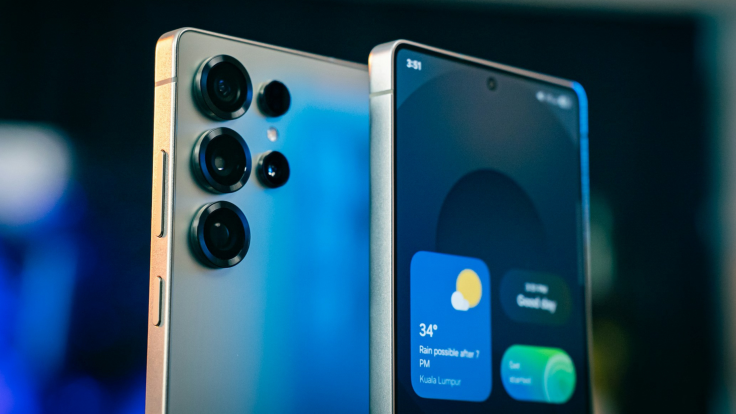
Samsung is reportedly locked in a complex debate regarding the final retail cost of its upcoming Galaxy S26 lineup. While production is moving forward, the company has yet to settle on a price point due to a significant rise in the cost of internal parts. Striking a balance between protecting profit margins and keeping the phones attractive to buyers is proving to be a major hurdle ahead of the launch.
Various sources suggest that assembly lines are already humming for Samsung's upcoming premium handsets, which are slated for a February 2026 debut. Although the unveiling is just eight weeks away, the firm has yet to fix the costs for this three-model collection. This delay is unusual at this late stage of the development cycle, but specific hurdles are currently blocking the final decision.
The Price Point Deadlock
The industry is currently grappling with a surge in hardware expenses, with parts like camera sensors, processors, and screens—specifically RAM—becoming far more costly. These spikes have significantly increased total production outlays. Compounding this issue are higher wages and an aggressive market landscape that demands more expensive promotional efforts, placing immense pressure on manufacturers.
Should the tech giant opt to pass these bloated production expenses on to its audience by raising the Galaxy S26's retail price over its predecessor, sales volumes could suffer. Conversely, if the firm chooses to swallow the financial hit to keep prices stable, its margins will inevitably shrink. This difficult trade-off has left the manufacturer at a crossroads on pricing, according to The Bell's report.
#Samsung is having trouble setting prices for S26 series (S26, S26 Plus, and S26 Ultra) because the numbers aren’t working out
— Piyush Bhasarkar (@TechKard) December 28, 2025
Making has become much more expensive.
Several key parts are getting pricier, including camera modules, OLED screens, and especially mobile DRAM pic.twitter.com/tSAYFOFDOP
Earlier coverage from SamMobile indicates that the Galaxy Z TriFold, the manufacturer's debut triple-folding handset, actually retails for less than it costs to build, resulting in a deficit for every sale. This move was reportedly a strategic effort to flaunt engineering leadership and gain a market edge. Since the firm intends for this to be a niche release with low stock, these individual losses are unlikely to dent the company's overall bottom line.
The Quest for Proprietary Solutions
Such a strategy is not an option for the Galaxy S26 lineup, however, as these devices represent the firm's primary source of revenue. The manufacturer cannot afford to jeopardise its profit margins on these high-volume handsets because this lineup drives the bulk of its earnings.
Lately, the manufacturer has leaned more heavily on Qualcomm silicon than on its own Exynos chips, which have struggled to match rivals' performance. Now that these third-party processors are the primary choice, the firm is hesitant to bear the increased procurement costs, ultimately shifting that financial burden onto consumers.
Exynos is coming back to the Galaxy S26 series kyuki Samsung ne iss baar Exynos 2600 ke R&D pe literally bhut paise fooka hai. Aur promises bhi kafi bade kiye hain jaise ki:
— Devanshu Dhandhal (@mrtechpedia) December 24, 2025
* World’s first 2nm process SoC
* Heating fix ke liye naya “Heat Path Block” design
* Xclipse 960 GPU… pic.twitter.com/59Cx80t4SO
By utilising its own Exynos processors, the manufacturer can lower its bill of materials and bolster the profit earned on every handset sold. This financial incentive is driving the South Korean firm's urgent push to restore its proprietary silicon to its former glory. Following the blueprint set by the Galaxy Z Flip 7, the company plans to integrate the upcoming Exynos 2600 chip into specific versions of the Galaxy S26 range, depending on the territory.
Despite these efforts, the Galaxy S26 lineup will still rely heavily on Qualcomm silicon, leaving very little space for cost-cutting. Consequently, Samsung's President, Roh Tae-moon, is reportedly applying significant pressure on suppliers to lower their hardware quotes. Ultimately, the South Korean firm faces a tricky balancing act between preserving its earnings and avoiding backlash from its user base.
© Copyright IBTimes 2026. All rights reserved.