

Too Many Workout Choices? Why Simplicity Matters in Home Strength Training
Simplifying home strength training can help people overcome workout confusion and build lasting fitness habits
For anyone starting a strength training routine at home, enthusiasm can quickly give way to uncertainty.
Should you invest in dumbbells or resistance bands? Is a cable machine worth the cost? Which workout programme should you follow? How many times should you train each week? Is it better to focus on strength, endurance, or muscle growth?
The internet offers thousands of answers, but that abundance of information can sometimes make it harder to get started. For many people, the biggest obstacle isn't motivation or discipline. It's decision fatigue. When every step seems to require another choice, it's easy to postpone exercising until "tomorrow".
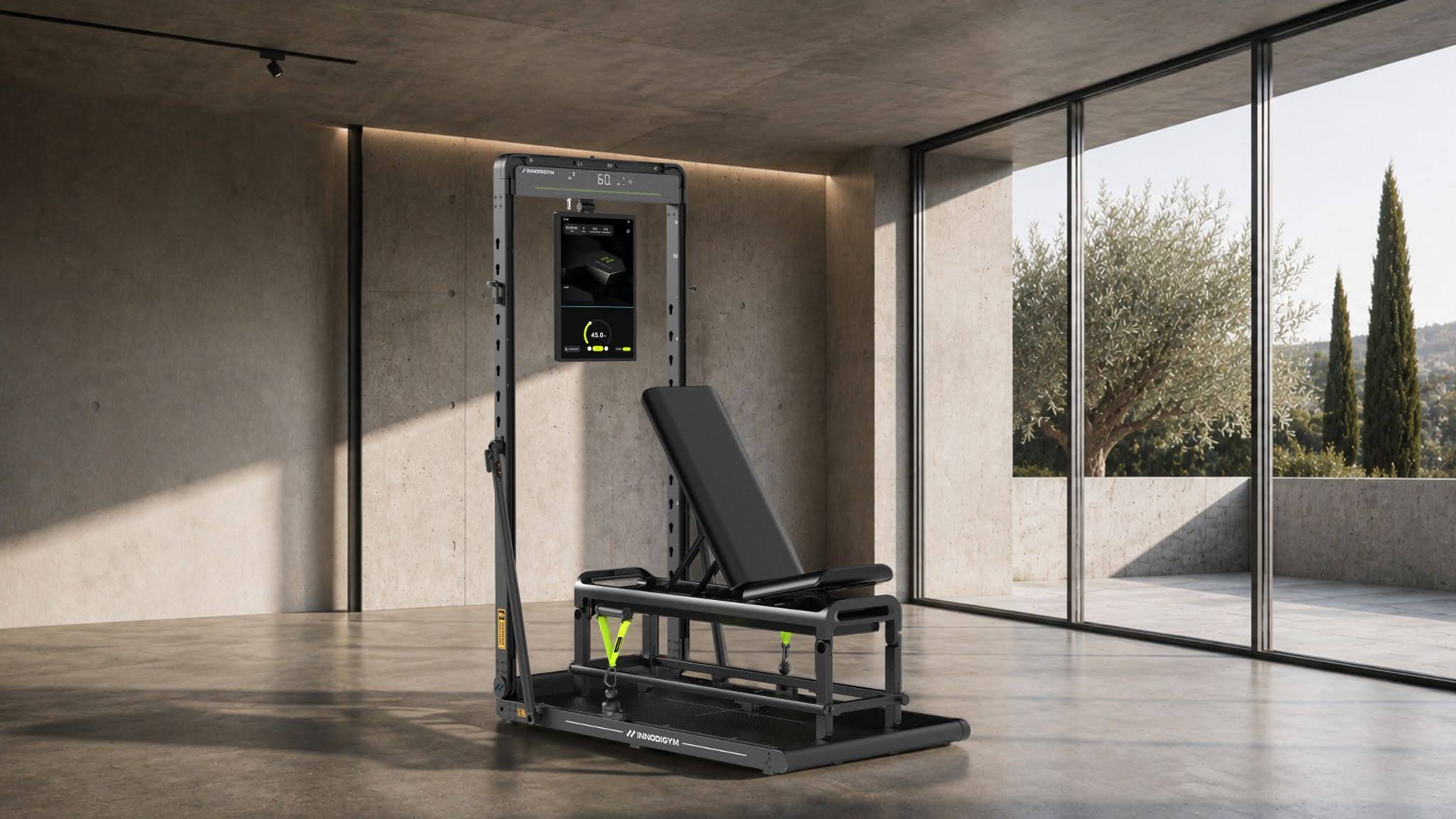
As home fitness continues to evolve, there is growing interest in solutions that remove some of that complexity and allow people to spend less time planning workouts and more time actually doing them. The INNODIGYM OMNI X1 PRO, for example, takes an integrated approach by bringing multiple strength-training functions into a single home fitness system.
Why Too Much Choice Can Slow Progress
The fitness industry has never offered more options.
Workout apps promise personalised coaching. Social media is filled with exercise advice. Equipment ranges from adjustable kettlebells to elaborate cable systems and multifunctional racks.
While having options is generally positive, constantly switching between programmes or buying equipment without a clear plan can leave people feeling overwhelmed.
Fitness professionals often point out that long-term results depend less on finding the "perfect" routine than on following a programme consistently. Reducing unnecessary decisions can make it easier to build habits that last.
Building a Simpler Home Fitness Routine
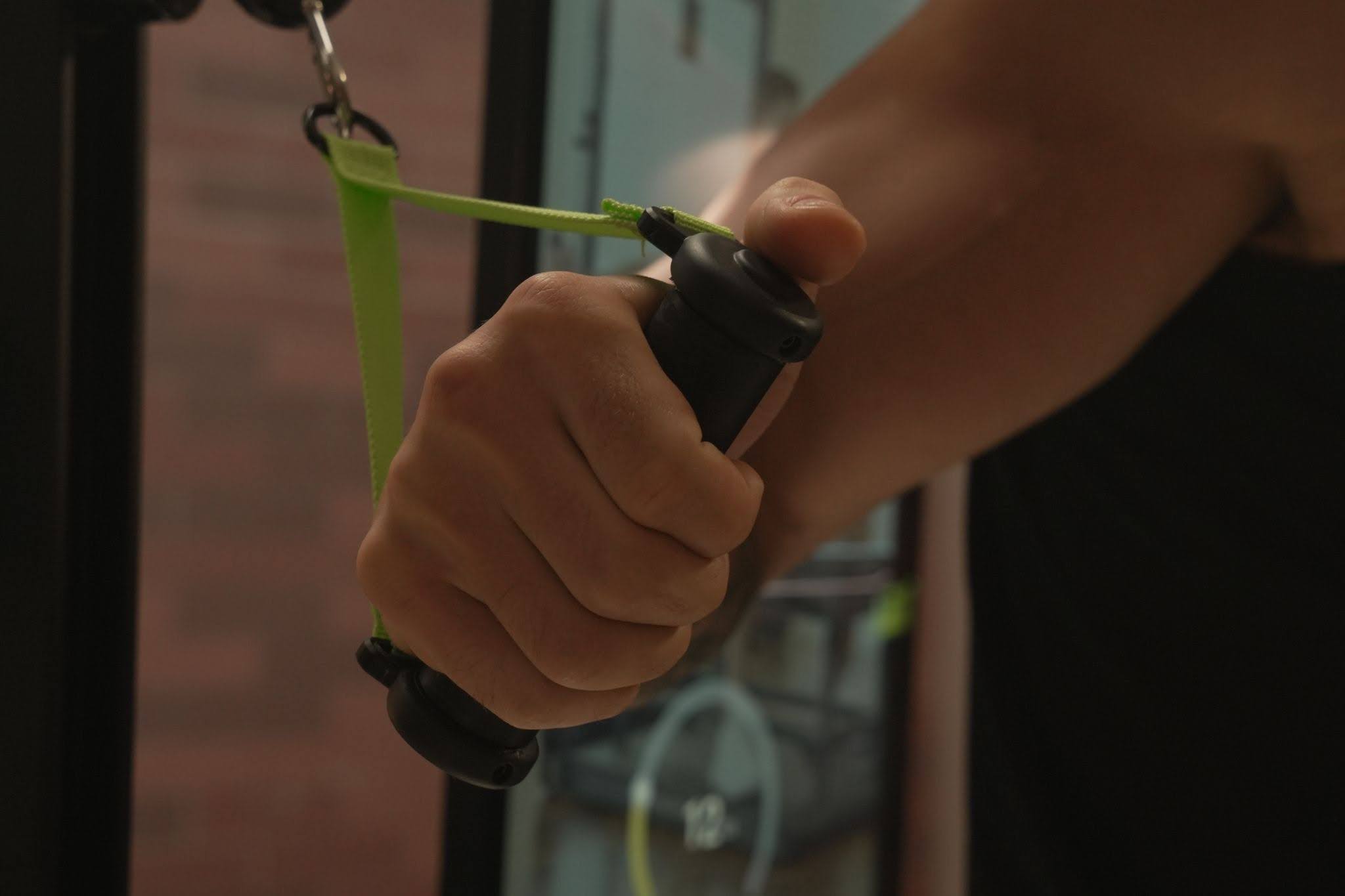
A practical home workout does not need dozens of machines or an endless library of exercises.
Instead, many people benefit from choosing equipment that supports a variety of movements while fitting comfortably into their daily routine. Having access to guided workouts, adaptable resistance, and progress tracking can also reduce the guesswork that often accompanies independent training.
The goal is not to replace personal commitment, but to create an environment where making healthy choices feels easier.
When One System Can Replace Several Pieces Of Equipment
For people trying to simplify their home workout routine, managing multiple pieces of equipment can quickly become another challenge. Different machines may target specific exercises, while separate apps or workout plans can make it harder to create a consistent training approach. This has contributed to growing interest in integrated fitness systems that combine different functions into a single setup.
The INNODIGYM OMNI X1 PRO is one example of this approach, bringing together multiple strength-training capabilities within a compact all-in-one smart gym. Instead of requiring users to gradually build a home gym with separate equipment, the system is designed to support a range of workouts through four different resistance training modes, allowing users to adjust their training based on their fitness goals.
The OMNI X1 PRO also incorporates an AI fitness coach that can provide personalised workout guidance, help users structure their routines, and track progress over time. For those who find it difficult to manage different workout apps, equipment choices, and training plans, combining these features into one platform may offer a simpler and more organised approach to strength training at home.
But simplifying the equipment does not necessarily mean simplifying the training stimulus. One important question remains: are the intended muscles actually doing the work?
Does Simpler Equipment Still Deliver Effective Muscle Engagement?
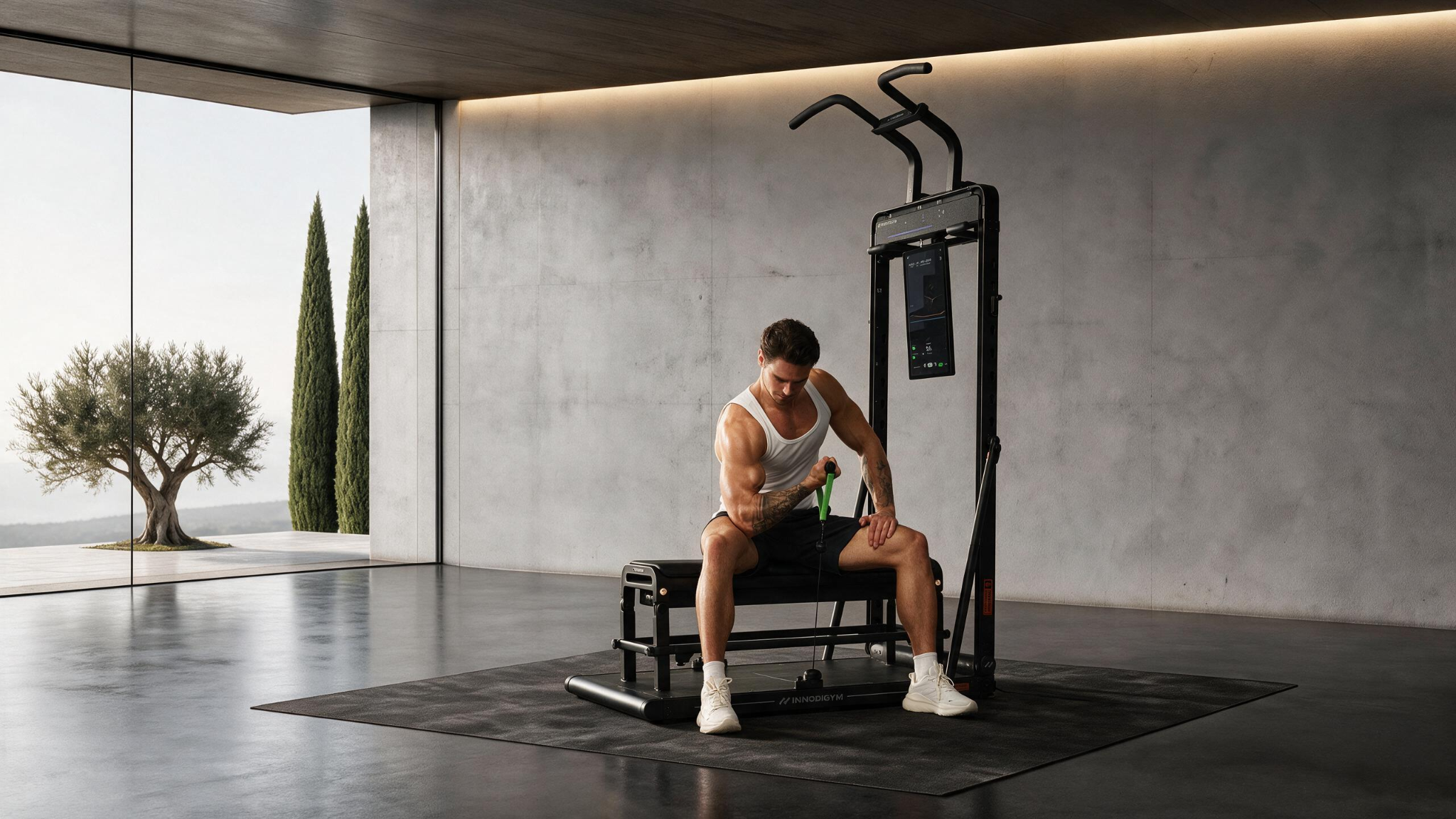
A workout can feel demanding without necessarily producing the intended muscle activation. Someone may finish a chest workout with tired shoulders and triceps, for example, or perform abdominal exercises while feeling more tension in the neck or lower back.
To examine how the OMNI X1 Pro compares with traditional strength equipment, INNODIGYM conducted a surface electromyography (sEMG) comparative study. Using professional sEMG equipment, the same participant performed common strength-training movements on both systems under controlled conditions. The comparison measured muscle activation using the percentage of maximum voluntary contraction (%MVC).
The results varied depending on the exercise.
During the bench press, OMNI X1 Pro recorded higher pectoralis major activation than traditional equipment, at 34.8% MVC compared with 31.4%. Triceps activation was lower on OMNI X1 Pro, at 5.7% compared with 11.3%, suggesting a more chest-focused activation pattern in this test.
The difference was even more pronounced during the high pulldown. OMNI X1 Pro recorded higher activation across the major back-related muscle groups tested, including the latissimus dorsi, posterior deltoid, and middle trapezius. Latissimus dorsi activation measured 37.2% MVC on OMNI X1 Pro compared with 33.3% on traditional equipment.
The cable crunch produced another notable difference. Average rectus abdominis activation was 13.8% MVC on OMNI X1 Pro versus 8.3% on traditional equipment, while peak activation reached 33.3% compared with 19.8%.
However, the results were not uniformly in favour of OMNI X1 Pro. Traditional equipment produced higher quadriceps and erector spinae activation during squats, while biceps activation during curls was broadly similar between the two systems. Traditional equipment also produced higher average activation across most of the back muscles tested during kneeling rows.
These findings are important because they show that equipment comparisons are not necessarily about finding one universal winner. Muscle activation can vary according to the exercise, movement pattern, and individual performing it.
The study also reinforces a broader point for home exercisers: effective training is about more than simply moving resistance. Exercise selection, execution, and the ability to consistently engage the intended muscles all matter.
Choosing Equipment That Fits Your Lifestyle
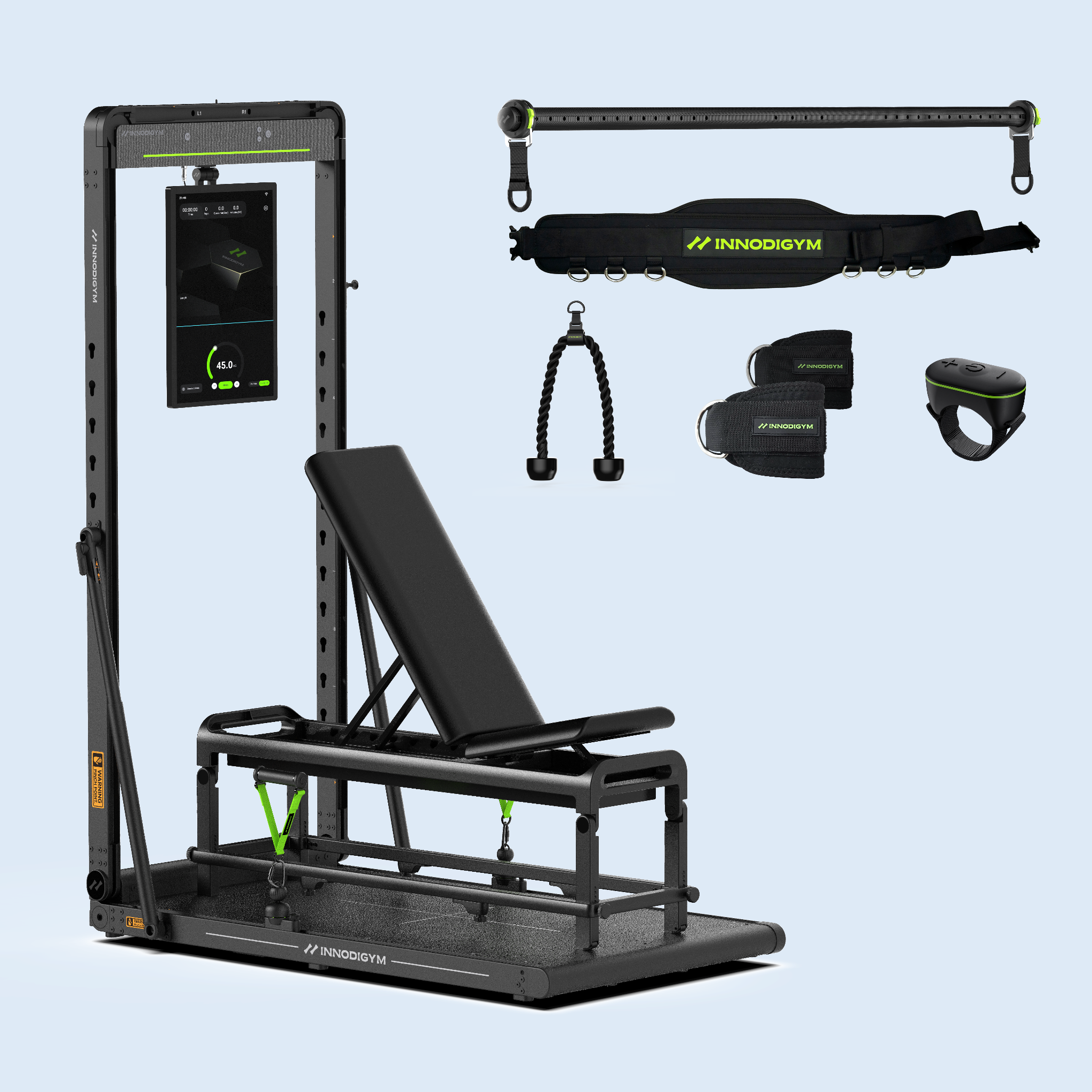
The best fitness equipment is rarely the one with the longest list of features. It is the one that people are most likely to use consistently.
Before making a purchase, it is worth considering practical questions. How much space is available? How often do you realistically plan to train? Would personalised guidance help you stay on track? Do you want equipment that supports a wide range of exercises without taking over your living space?
Answering these questions can help narrow the options and reduce the temptation to chase every new fitness trend.
Making Fitness Feel Less Complicated
Getting stronger does not have to begin with a complicated plan or a room full of equipment.
For many people, removing unnecessary barriers, whether that means simplifying workout decisions, reducing equipment clutter, or following a more structured programme, can make it easier to stay focused on their goals.
As smart fitness technology continues to develop, products such as the INNODIGYM OMNI X1 PRO reflect a growing effort to make strength training more accessible by combining equipment, guidance and flexibility into one compact system. For people looking to spend less time planning workouts and more time completing them, that simplicity may be one of the biggest advantages of all.
Exclusive IBTimes Reader Offer: Readers can get £100 off the INNODIGYM OMNI X1 PRO through the official UK site with the code IBTimes.
© Copyright IBTimes 2026. All rights reserved.