

Man Spends 50 Hours in Chinese 'Fat Loss Prison' and Reveals What Happens Under Its Strict Rules
The YouTuber describes twice-daily weigh-ins, restricted meals and seven workouts, while cautioning that his short visit cannot prove lasting fat loss
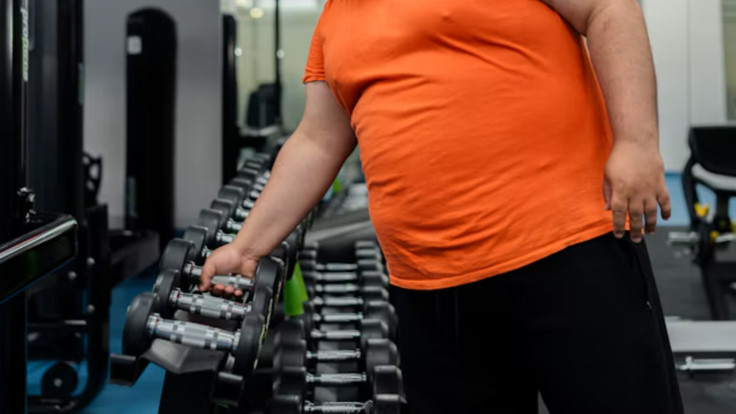
YouTuber Stan Browney has spent 50 hours inside a Chinese 'fat loss prison', documenting a strict weight-loss routine involving frequent weigh-ins, controlled meals and intensive exercise.
In a video titled 'I Survived China's Fat Loss Prison,' Browney visits a residential fitness camp where participants follow a tightly organised programme. He reports losing 2.4kg during his stay, but acknowledges that much of the reduction was water weight rather than body fat.
Despite the prison-like appearance, these facilities are commercial weight-loss camps, not conventional correctional institutions. Participants pay to attend programmes designed around structured exercise, restricted diets and regular progress checks.
Browney introduces the facility by describing its fenced compound and surveillance cameras. 'Behind me is a prison made for fat people,' he says in the video. He then clarifies that participants are paying to take part in the programme.
Reporting by LADbible, published on 26 October 2026, also describes the strict routines and reported costs associated with these camps. However, prices vary between facilities, and the figures should not be treated as a confirmed price for the particular camp Browney visited.
Inside the 'Fat Loss Prison' Daily Routine
According to Browney, participants are weighed twice daily and face individual weight-loss targets. His account suggests that anyone falling short may be assigned additional exercise. These details describe his experience and should not automatically be applied to every weight-loss camp in China.
Food is another closely controlled part of the routine. Browney describes meals centred on protein and vegetables, with limited carbohydrates. He estimates that one meal contained around 350 calories, although this was his own assessment rather than a verified nutritional figure.
The exercise schedule was equally demanding. Browney says he completed seven workouts across two days, including several intensive training sessions. The video presents the programme as physically challenging, but does not establish whether this level of activity is suitable for everyone.
Browney reports that his weight fell from 82.9kg at the beginning of his stay to 80.5kg after 50 hours. That is a reduction of 2.4kg, based on the figures he shared. He cautions viewers against interpreting the entire change as fat loss.
'Most of the weight I just lost was water weight,' he says.
He also acknowledges that the programme might help some people, while stopping short of presenting it as a universal solution. His short visit, however, cannot establish whether participants maintain their results over time.
Why China's Camps Are Drawing Global Curiosity
Chinese residential weight-loss camps have gained international attention through social media, with overseas visitors documenting their experiences. A Channel NewsAsia report published on 21 July 2026 described growing interest among international participants and highlighted the appeal of structured training and controlled meals.
The format offers a highly organised alternative to managing exercise and eating habits independently. However, the strict environment may not be suitable for everyone, particularly people with underlying health conditions or different fitness levels.
Rapid weight loss also requires careful interpretation. The US National Institutes of Health's MedlinePlus resource warns that losing weight too quickly can involve losses of water and muscle, alongside other potential health concerns. The UK's National Institute for Health and Care Excellence recommends that very-low-energy diets be used only in appropriate circumstances, with professional support and nutritional safeguards.
Browney's experience therefore offers a glimpse into one camp's approach, rather than proof that its methods deliver lasting results. His reported 2.4kg reduction over 50 hours cannot establish how much body fat he lost or whether the change will persist.
Ultimately, the important question is not simply what the scales show when participants leave. It is whether they can maintain healthier habits after returning to everyday life, without the same tightly controlled schedule.
© Copyright IBTimes 2026. All rights reserved.