

Mass Public Revolt Demands Press Inquiry After Former Cambridge Scholar Dies Following Brutal Tabloid Hounding
Jason Arday's final warning sparks fury as 31,000 demand answers over the media storm that consumed his final days
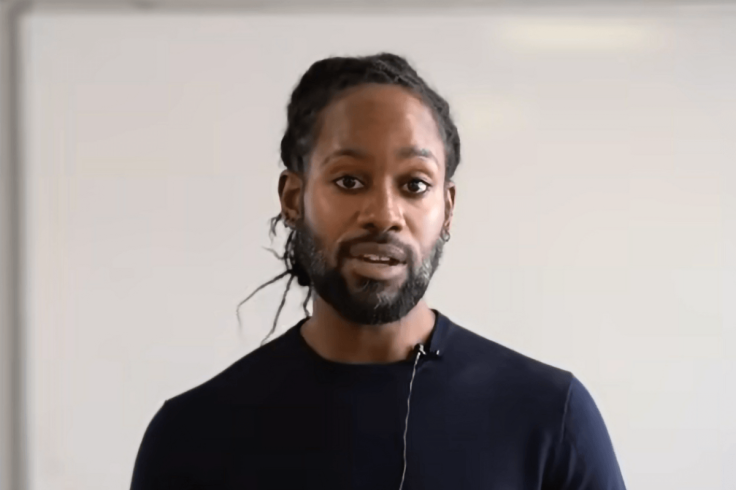
The death of former Cambridge professor Jason Arday has triggered a growing backlash over the intense media scrutiny he faced, with more than 31,000 people backing calls for a public inquiry.
Arday, 41, was found dead in Battersea, South London, on 14 August, days after resigning from the University of Cambridge amid allegations of plagiarism and questions about aspects of his personal and professional history.
Police said his death was unexpected but was not being treated as suspicious. The most striking account of his final days has come from his former mentor, Lord Simon Woolley.
Calls for public inquiry into Jason Arday 'witchhunt' https://t.co/iLxRVay2hV
— BBC News (UK) (@BBCNews) August 16, 2026
'Hounded To Death'
Woolley said he and friends saw Arday shortly before his death, describing a man who had lost a substantial amount of weight and was 'desperate beyond belief'. According to Woolley, Arday said he 'felt hounded to death' and 'couldn't see a way out'.
Those words have intensified the debate over the media scrutiny Arday faced, raising a difficult question. When does legitimate scrutiny become something more damaging?
The Good Law Project, which supported Arday after his resignation, says people close to him had privately warned several media organisations that continued coverage risked pushing him towards suicide.
There is no official finding linking the coverage to Arday's death. But the allegation has become central to demands for an inquiry into what journalists knew about his condition and when they knew it.
From Cambridge Triumph to Media Storm
Arday's appointment in 2023 was initially hailed as a landmark moment. He became Cambridge's youngest-ever Black professor, building a career focused on race, inequality and education.
He had also spoken publicly about being autistic and having been non-verbal until the age of 11, making his rise through academia particularly striking. Some aspects of that account were subsequently questioned during the scrutiny preceding his resignation.
The spotlight changed in July when philosopher Nathan Cofnas raised plagiarism allegations concerning Arday's academic work. Arday denied plagiarism, while Cambridge later launched its own investigation after receiving additional information.
The controversy quickly widened, with British media examining claims about Arday's biography and achievements. What began as scrutiny of his academic work expanded into a wider dispute involving race, academic standards and diversity, equity and inclusion.
BREAKING:
— Jam Radio UK News (@Jam_RadioUK) August 16, 2026
Lord Simon Woolley has called for a formal investigation into the media’s treatment of Professor Jason Arday, warning that coverage of Black academics must meet higher standards of accuracy and respect.
Read the full report.https://t.co/CmMZJQSpGo
The Warnings Before His Death
Professor Sir Simon Baron-Cohen, a Cambridge academic and friend of Arday, has spoken about the impact of the scrutiny on Arday, who was autistic.
The Good Law Project says concerns about Arday's mental state were communicated privately to media organisations. If those warnings can be substantiated, they could become significant evidence in any future examination of allegations that media coverage became excessive or harmful.
That is one of the most important unanswered questions surrounding the case: were journalists warned that the coverage could put his life at risk?
Race and Academic Accountability
The controversy also carries a sharp racial dimension. The Good Law Project has alleged that race played a significant role in Arday's treatment, while his supporters have described some of the coverage and commentary surrounding him as racially charged.
His family has spoken of a prolonged period of abuse and misinformation. Critics, meanwhile, argue that the scrutiny began with legitimate questions about academic integrity and whether Cambridge had adequately scrutinised Arday's record.
Academic allegations deserve investigation. But that does not automatically resolve the separate question of whether the resulting coverage became excessive, personal or dehumanising.
His Resignation and Final Days
On 5 August, Arday resigned from Cambridge and Jesus College. In his resignation statement, he said leaving was the only way he could bring an intensely difficult period to an end, while stressing that his departure should not be interpreted as an acceptance of the allegations against him.
Days later, he was dead. Cambridge has defended the support provided to Arday, including security measures and email screening. Its investigation into his appointment and academic record has been paused while his family grieves.
The Public Inquiry Demand
The petition calling for a public inquiry into the alleged media harassment of Arday has passed 31,000 signatures, with several MPs among those supporting the campaign.
Prime Minister Andy Burnham has called Arday's death a tragedy and urged a period of reflection rather than rushing to judgement. That leaves uncomfortable questions hanging over the case.
Were media organisations warned about Arday's deteriorating state? Did editors understand the potential consequences of continued coverage? Did Cambridge provide enough protection? And where should legitimate scrutiny have ended?
There is currently no official finding that media coverage caused Arday's death, and police are not treating his death as suspicious. But his final days have sparked a much bigger reckoning over journalism, academic accountability, race and the human cost of sustained public scrutiny.
For more than 31,000 petitioners, the question now is not simply what happened to Jason Arday's career. It is what happened to the person caught at the centre of the storm.
© Copyright IBTimes 2026. All rights reserved.