

US Military Quietly Expands Land Strikes in Latin America After Slaughtering Hundreds on High-Seas Boats
Pentagon's new strategy raises legal and sovereignty concerns in Latin America
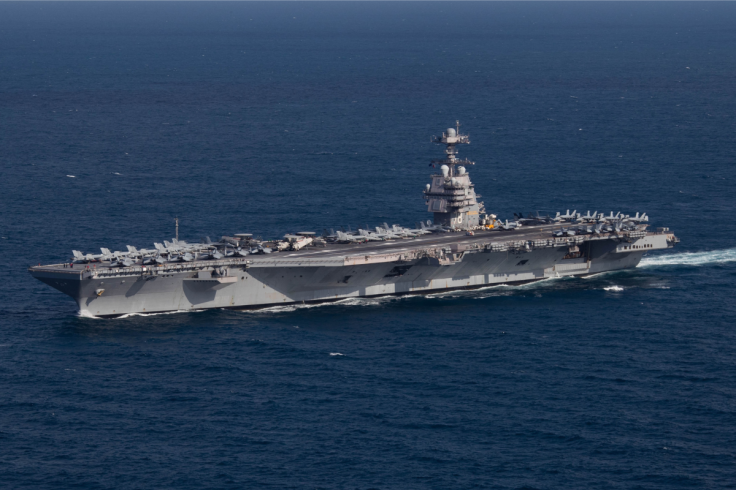
US maritime strikes in Latin America have already killed more than 200 alleged drug traffickers since January 2025, and the Pentagon now plans to extend the lethal campaign from the high seas onto land, Defence Secretary Pete Hegseth has confirmed. The shift, which would see joint US-backed assaults inside Colombia, Honduras and Guatemala, marks a significant escalation in President Donald Trump's regional security strategy.
Speaking during a military exercise in Panama, Hegseth said Washington had secured, or was seeking, agreements to conduct joint strikes on the territory of those three countries. The move follows more than 60 attacks on vessels in the Caribbean and Pacific since Trump returned to office in January 2025. Rights groups and regional analysts have questioned the legality of these strikes, noting a lack of public evidence and thin rules of engagement.
Ecuador Becomes the Testing Ground
Ecuador has become the proving ground for the land-based approach, despite voters rejecting foreign military bases in a November 2025 referendum. Joint raids with US forces have continued regardless. One such operation in March, initially described as targeting a drug laboratory, instead destroyed a cattle farm, according to a New York Times investigation, raising doubts about the intelligence underpinning the campaign.
Hegseth's claims about troop agreements were not universally confirmed. Guatemala's president, Bernardo Arévalo, swiftly denied any such arrangement, insisting deployments would require congressional approval. Honduras, Colombia and Ecuador declined to comment. Hegseth was unequivocal about Washington's intent, declaring that anyone trafficking drugs or threatening American citizens would be treated 'just like ISIS or al-Qaida'.
Sovereignty Fears Revived Across the Region
The expansion lands in a region wary of past US interventions, from CIA-backed coups to covert programmes. Analysts describe Trump's second term as producing the most assertive American military posture in Latin America in decades, citing the capture of former Venezuelan president Nicolás Maduro and CIA involvement in raids in Mexico.
Michael Shifter of the Inter-American Dialogue called the strategy an attempt 'to legitimise the increased use of the US military in the region', describing an imbalanced relationship in which Washington projects power while framing it as cooperation.
The designation of 20 regional criminal organisations as terrorist entities has expanded the military's operational scope, while pressuring governments to adopt Washington's definitions of who qualifies as a terrorist.
Colombia Shows How Far Policy Could Go
Colombia illustrates the trend most clearly. President Abelardo de la Espriella, a Trump ally, has reportedly sought greater US involvement against armed groups, including the National Liberation Army (ELN). Following an ELN drone attack on Colombian troops, de la Espriella vowed retaliation, rhetoric that aligns closely with Hegseth's own.
Not all analysts believe strikes will achieve their aims. Jeremy McDermott of InSight Crime warned that bombing campaigns risk pushing armed groups into populated areas rather than eliminating them, increasing danger for civilians.
Allies, Holdouts and Public Backlash
Support for the policy is strongest among Trump-aligned, security-focused leaders, though Adam Isacson of the Washington Office on Latin America cautioned that even allied governments may grow uneasy once operational details and political costs become clear. Mexico remains the most notable holdout: President Claudia Sheinbaum has resisted allowing US troops to operate against cartels on Mexican soil, reflecting long-standing sensitivities in bilateral relations.
Analysts say the central question is not whether the campaign will expand, but how long Latin American publics will accept the trade-off between visible action against traffickers and the erosion of national sovereignty, with no guarantee the strikes will deliver lasting security rather than deepening instability.
© Copyright IBTimes 2026. All rights reserved.