Diagnosed Sociopath Influencer Exposes Their Most Notable Traits That People Should Watch Out For
She mentioned five sociopathic traits

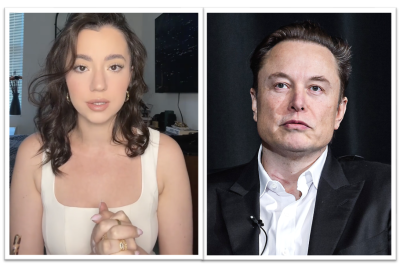
Australian influencer Kanika Batra has opened up about living with Anti-social Personality Disorder (ASPD), describing what she believes are key traits associated with sociopathic behaviour.
Batra, 39, told LADbible Stories that she was diagnosed with ASPD and narcissistic personality disorder (NPD) at 21, following 16 months of evaluation by a forensic psychiatrist.
The term 'sociopath' is commonly used for people with antisocial traits, but it is not a formal psychiatric diagnosis. ASPD is a recognised personality disorder involving persistent disregard for others' rights and feelings.
People with ASPD may display deceitfulness, manipulation, impulsivity and a lack of remorse. Symptoms vary, and only a qualified professional can make a diagnosis.
Batra said people with such traits can be difficult to identify because they may know how to behave appropriately in social situations.
'You will never realise you're dating or dealing with a sociopath or a psychopath because we are very, very well-versed on being appropriate and being seen in the correct light and behaving correctly, if you will,' she said.
Five Red Flags
Batra identified charisma as one of the first characteristics, saying 'optics' are particularly important to people with sociopathic traits.
'We know what you're thinking. We know how you're feeling. We just don't really care, but we'll pretend to care because we know that makes you happy, and that makes you able to want to be our friend and do things for us,' she said.
She then described sociopaths as 'very, very callous', claiming they can cut people out of their lives when they are no longer considered useful.
'How could you just cut someone off after knowing them for 10 years?' she said, before explaining: 'They were not useful to me anymore, so I don't see any purpose in keeping them around.'
The third trait she highlighted was an ability to lie and manipulate people, sometimes without an obvious reason. Batra also described a lack of empathy as another characteristic.
'Our empathy is so, for me at least, when I see people crying, I have no internal reaction,' she said. 'Honestly, it just kind of annoys me. I just kind of hate it.'
Her fifth and final sign was an absence of guilt.
'So, I've never really felt bad about anything that I've done,' Batra said, describing guilt as 'a toxic emotion that is designed to control people'.
The 'Mask' Used To Fit Into Society
Batra also discussed what she called the 'mask' that sociopaths and psychopaths may use to appear acceptable to society.
She said this could involve appearing 'charming, funny, and relatable to people', while concealing emotions such as envy, jealousy, rage and contempt.
'It's hiding any traits of envy, jealousy, rage, contempt,' she said. 'It's a very strong emotion that we feel, and that is rage and contempt. And that is very, very hard to actually suppress on a daily basis.'
Batra added: 'And so, when we wear that mask, we show you a form of a person that we know is societally successful.'
However, Individual behaviours should not be used to diagnose someone with ASPD. Sociopathy and psychopathy are also not formal diagnoses.
Batra's comments reflect her personal experience rather than a clinical checklist, highlighting the complexities of a widely misunderstood condition.
© Copyright IBTimes 2026. All rights reserved.
- Recommended For You