

Lloyds Bank Branch Closures: 16 Sites to Shut Within Days in New Blow to High Street
Lloyds closes 16 branches in January; 71 more planned by year-end. Check if your local is affected and find alternative banking options.

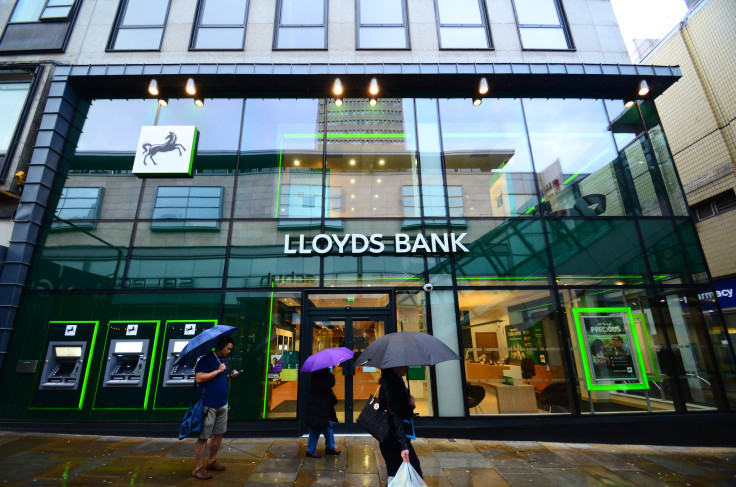
Within days, your neighbourhood may lose its banking hub. Lloyds Banking Group has begun its January purge, shutting 16 Lloyds branches alongside 12 Halifax and 16 Bank of Scotland locations throughout the month – marking the start of a staggering 71-branch cull by year's end. It's the latest chapter in a decade-long retreat from Britain's high streets, one that has emptied communities of their financial anchors and forced millions to navigate a radically altered banking landscape.
The banking exodus is nothing new. Since January 2015, over 6,600 bank and building society branches have vanished from UK high streets, according to the consumer advocacy group Which? – an average of roughly 53 closures each month, representing approximately 67 per cent of all branches operating at the start of 2015.
Yet the scale and velocity of what Lloyds Banking Group has planned for 2025 and 2026 is staggering: the group will permanently shutter nearly 350 branches across its three brands between January 2025 and October 2026, leaving just 705 branches nationwide – fewer than one-third of its footprint a decade ago.
For residents of places like Alfreton, Totnes, Lewes and Penzance, the news means something more immediate: they must find alternative ways to bank. It's a reality that Lloyds' own statement attempts to soften, yet undeniably complicates lives across the country.
Why Bank Branch Closures Are Accelerating in 2026
The explanation, according to Lloyds Banking Group, is straightforward: customers don't need branches anymore. 'The way people are banking has changed, with over 21 million customers choosing apps to manage their money,' a group spokesperson noted. 'We're providing more choice than ever before, bringing together the best in digital convenience with our people.'
That sentiment has become the banking industry's mantra. Between 2019 and 2024, Barclays led the sector with 1,227 branch closures, followed by NatWest with 537 and Lloyds with 454. Even HSBC, Britain's largest bank, shuttered 303 branches during the same period. When combined, RBS has closed 74 per cent of its branches, The Co-operative Bank 69 per cent, and NatWest 49 per cent.
The data supporting this transformation is compelling. Lloyds' own figures reveal that customers now log into their banking apps over 7 billion times annually. For shareholders and executives, the logic is irrefutable: maintaining physical branches in locations where foot traffic has evaporated is economically indefensible.
The money saved by closing Hedon, Fleet or Hedge End can be redirected to app development, digital customer service and the technology infrastructure that keeps modern banking humming.
Yet what feels rational to the boardroom reads very differently on the high street – especially in smaller towns and rural communities already struggling with retail decline.
What Happens When Your Local Bank Closes?
The Lloyds Banking Group insists that customers haven't actually lost options – they've merely shifted. 'Alongside our app, our customers can use any Lloyds, Halifax or Bank of Scotland branch, the Post Office or banking hubs for their everyday banking, and deposit cash at over 30,000 PayPoint locations,' the group's statement continues.
In theory, it's a viable ecosystem. The Post Office operates 11,684 branches nationwide and can facilitate basic banking tasks including withdrawals, deposits and balance enquiries – though not mortgage applications or opening new accounts.
Newly rolled out 'super ATMs' allow customers to withdraw cash, check balances, change PIN numbers and deposit funds without human interaction. Mobile banking services – buses that bring financial advisers to villages and town centres – provide in-person assistance for those uncomfortable with apps.
Yet accessibility remains a critical problem, particularly for elderly customers, those without smartphones and small business owners who need face-to-face relationships. A 30-mile journey to the nearest branch for a simple enquiry is impractical; reliance on a mobile bus that visits once monthly is unreliable.
The Post Office alternative, whilst admirable, remains understaffed and overwhelmed – a fact any customer queuing to buy a postage stamp will instantly recognise.
For those affected by the January 2026 closures, the time to act is now. Check whether your local branch is on the closure list, understand your banking alternatives and, if necessary, prepare to transition to digital or identify the nearest Post Office. The high street bank may soon be nothing more than a memory.
© Copyright IBTimes 2026. All rights reserved.