

Met Office Predicts 'Weather Battle' over UK with Rising Risk of Heavy Snow
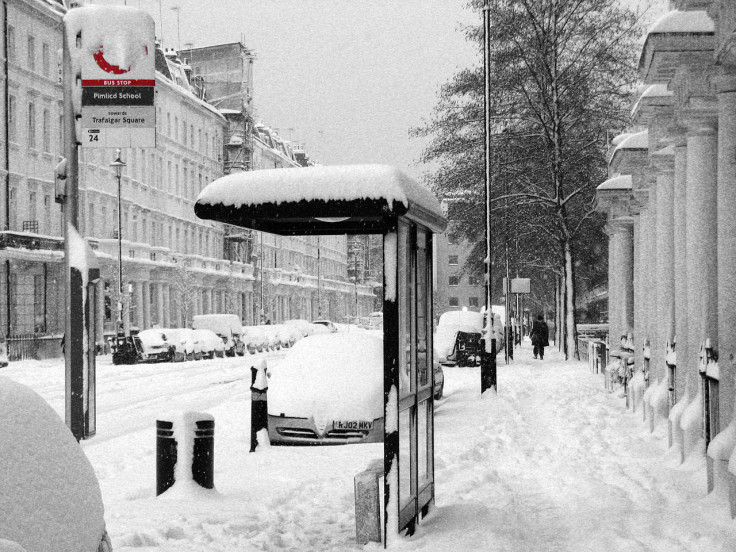
The UK is experiencing a long spell of disturbed weather, marked by varying temperatures, snow, and sleet due to a clash of the Atlantic systems, and the high-pressure cold fronts unravel.
Following the disrupted weather caused by Storm Goretti, which hit the UK earlier this month, bringing heavy snow and blizzards to the country, the UK remains in the midst of unpredictable weather.
The storm left dozens of people fighting the elements, which interrupted lives and travel. Currently, forecasters caution that the trend of tempests, low sweeps, and comparatively milder periods will continue into the first weeks of February.
Met Office midterm forecast: A weather front war
The Met Office issued a warning that there will be a major 'weather battle' over the UK over the next two weeks. Between the 23rd of January and 1st February, the clash between Atlantic weather systems with milder and wetter conditions to the west and high-pressure systems to the east, pushing colder and drier air, will be experienced.
'Throughout this period, the UK will see a battle between Atlantic weather systems attempting to push in from the west while high pressure and colder, drier conditions attempt to exert some influence from the east,' the statement reads.
Forecasts say that this collision will result in dramatic differences in the weather of the region - some areas will have snow and frost, and others will be more moderate.
Forecasts of Atlantic fronts with frequent rainfall and low temperatures were made initially. This less strong impact might yield to colder temperatures, particularly in the northeast, where sleet or snow might turn out to be more common.
The projection remains unpredictable, and the possibility of shifting to a more long-term cold spell exists, which is likely to augment the risk of snow over regions of Britain.
Between the 2nd and 16th of February, the Met Office announced that 'slowly evolving weather patterns are most likely in the vicinity of the UK, with low pressure typically to the west or southwest and high pressure to the northeast.'
Regional weather and snowfall forecasts
A challenging week is depicted in weather maps, where people may expect extensive snowfall in the Scottish Highlands and as far as Wales. It is predicted that some areas, especially north and west would receive heavy snowfalls of up to 27 cm.
The regions that might experience the heightened concentration will include Aberdeen and Northern Ireland to some extent. On the other hand, the southeastern areas of England, such as East Anglia and London, will have conditions that are mild, with some parts of the region being relatively free of snow.
The Met Office posted on X, 'Grey and miserable for many with drizzle and fog in places. Rain is possible at times, most persistent in Northern Ireland and western Scotland.'
We've got many weather types on offer this afternoon 🌧️🌦️🌫️
— Met Office (@metoffice) January 19, 2026
Grey and miserable for many with drizzle and fog in places. Rain is possible at times, most persistent in Northern Ireland and western Scotland
Sunnier in other parts of Scotland, Wales and perhaps southwest England pic.twitter.com/6vytdEh8fr
'Sunnier in other parts of Scotland, Wales and perhaps southwest England,' the statement continued.
Prospects of snow are augmented by an Arctic blow that is sweeping across Europe. Other countries such as Austria, Slovakia, and Hungary already had significant disturbances as some of the airports shut down because of the snow and ice.
This may be the same case in the UK, particularly in the mountainous and northern parts, where blizzards may delay the journeys and close the roads.
Weather risks and public preparedness
The cold spell present in the world highlights the significance of preparedness. Meteorologists recommend people have winter clothes at hand and follow the local weather warnings.
Though there can be temporary milder conditions in some of the regions, the general trend is that there are going to be colder and snowier conditions with the prevailing conditions extending to the beginning of February.
This extended cold wave belongs to a larger pattern occurring in Europe, with Siberian air masses being the reason behind the drop in temperature across the continent. The severe cold witnessed has caused operational problems in major airports in Central Europe, indicating the spread of this icy climate.
© Copyright IBTimes 2026. All rights reserved.