

Minnesota Restaurant Workers Fed ICE Agents, Then Got Arrested by Them The Same Night
Federal immigration enforcement tactics in Minnesota escalate with controversial arrests following routine interactions with restaurant staff.
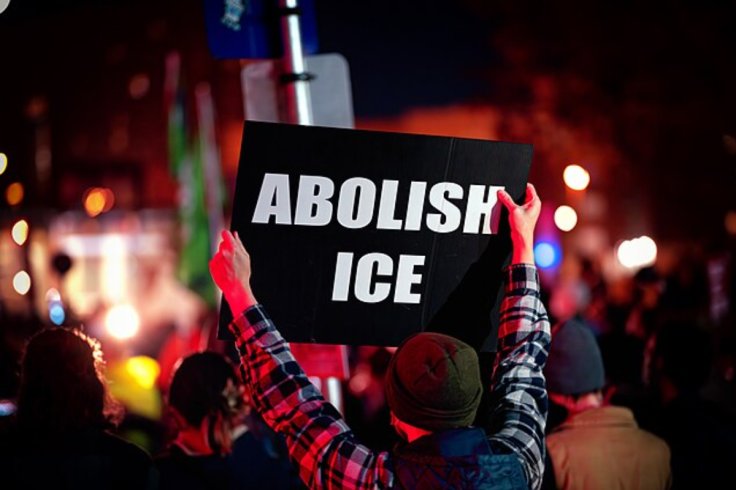
Immigration and Customs Enforcement (ICE) agents, who ate at a family-run Mexican restaurant in Minnesota, were later involved in the arrest of its workers the same evening, a sequence that has fuelled fresh outrage over federal enforcement tactics during the state's sweeping immigration crackdown.
The incident unfolded at El Tapatio in Willmar, where four ICE agents reportedly sat down for a meal at about 15:00 on Wednesday, 14 January 2026, according to eyewitness accounts shared with The Minnesota Star Tribune. Hours after dining in the establishment, the same agents are said to have followed restaurant workers after closing and arrested at least three of them around 20:30 that night.
This incident is one of several in a campaign of immigration enforcement in Minnesota that federal authorities have dubbed Operation Metro Surge, described by the Department of Homeland Security (DHS) as the largest immigration enforcement operation ever conducted in the state.
DHS officials publicly characterised this surge as a lawful effort to 'root out fraud and arrest perpetrators,' with acting ICE Director Todd Lyons stating in a televised interview that it was the biggest such operation underway nationwide.
Operation Metro Surge and Federal Enforcement Expansion
Since the launch of Operation Metro Surge in early December 2025, DHS and ICE have significantly increased immigration enforcement actions across the Minneapolis–Saint Paul metropolitan area and greater Minnesota. Internal DHS social media posts shared in a federal lawsuit describe the operation as deploying hundreds, and eventually thousands, of ICE and Homeland Security Investigations (HSI) officers to the region, framed as targeting violent criminals and fraudsters as part of a broader push on immigration enforcement.
The controversial enforcement campaign has included arrests at businesses, construction sites and along public roads, and has disrupted daily life for many immigrant communities. In some cases, individuals have reportedly been stopped without warrants or clear articulations of charges, prompting criticism from civil liberties groups and state officials alike.

Minnesota Attorney General Keith Ellison, joined by the cities of Minneapolis and St. Paul, filed an 80-page federal lawsuit on 12 January 2026 seeking to halt the surge.
The complaint argues that the deployment of thousands of armed federal agents constitutes an unlawful federal 'invasion' of the Twin Cities, violates constitutional protections, and harms public safety and civil liberties.
In a press release accompanying the lawsuit, the state and cities instructed the court to declare DHS and ICE's actions unconstitutional and to issue a temporary restraining order. The filing cites a litany of alleged harms, including the use of excessive force, warrantless arrests, and enforcement actions in sensitive locations such as schools and hospitals.
Eyewitness and Business Accounts Raise Questions
Eyewitnesses to the El Tapatio incident said the presence of ICE agents in the restaurant initially seemed routine. The agents finished their meals and left, only for the workers to be arrested later that night after closing time. The immigration status of the detained workers has not been publicly disclosed, and ICE has not issued an official comment on the specific arrest report as of publication.
There are no words. ICE agents ate lunch at a small local Mexican restaurant in Minnesota, enjoyed their meal, then came back later that night as the restaurant was closing down and arrested the people who had served them. pic.twitter.com/AiCzp49d8d
— Aaron Reichlin-Melnick (@ReichlinMelnick) January 16, 2026
Community reactions have been sharply critical. Local residents on social media condemned the sequence of events as 'depraved' and inappropriate, stressing the vulnerable position of restaurant employees following what began as an ordinary business interaction.
This incident is not isolated. In Rochester, Minnesota, two restaurant employees were taken into ICE custody in a parking lot outside their workplace, forcing the business to close indefinitely. A social media post by the restaurant stated that the workers may have been using false documentation, but ICE reportedly made no attempt to inspect their papers before the arrests.

Elsewhere in the Twin Cities region, a coffee shop employee who lawfully held a work permit and was navigating the asylum process was detained after agents lured him outside under a fabricated pretext of a parking lot accident, according to local reporting.
Political Backlash
The escalating enforcement has provoked strong political and legal backlash in Minnesota. Attorney General Ellison's office has also launched an online form soliciting testimony from residents affected by federal actions, seeking detailed accounts that could bolster ongoing litigation against DHS over alleged constitutional violations.
RESTAURANT RAGE: Federal law enforcement agents were forced to leave a Mexican restaurant in St. Paul, Minnesota after diners began shouting expletives at them, demanding they leave the business. pic.twitter.com/YlLreAidJp
— Fox News (@FoxNews) January 15, 2026
At the same time, the broader Operation Metro Surge environment has seen violent confrontations and controversial use of force. The fatal shooting of 37-year-old Renee Nicole Good by an ICE agent in Minneapolis earlier in January sparked large protests and heightened scrutiny of enforcement practices.
Federal authorities maintain that the surge is a lawful exercise of immigration enforcement powers aimed at apprehending individuals with criminal records, large-scale fraud perpetrators, and those who violate immigration laws.
Critics counter that incidents like the one in Willmar reveal a deeper problem: routine interactions turning into enforcement actions that leave communities fearful of everyday encounters.
For workers at El Tapatio, a shared meal became part of a broader national debate over power, trust, and the human cost of aggressive immigration enforcement.
© Copyright IBTimes 2026. All rights reserved.