

Pancreatic Cancer Drug Rasonque Shows Early Promise Against RAS-Mutated Lung Cancer Too
Early trials of Rasonque show tumour shrinkage in lung cancer patients, offering potential new treatment avenues
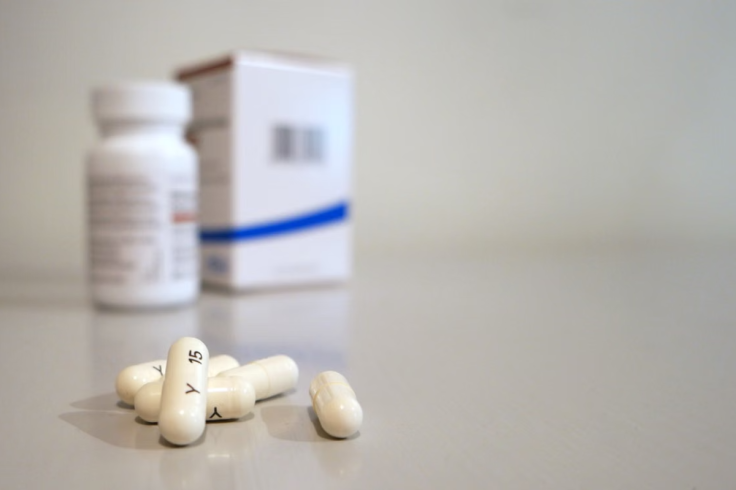
A drug approved for pancreatic cancer just a week ago is already showing signs it could help treat lung cancer, the world's leading cause of cancer death.
Early trial results published in the New England Journal of Medicine found that tumours shrank in more than 30 per cent of lung cancer patients given the drug, called daraxonrasib (brand name Rasonque).
Each patient in the small trial had non-small-cell lung cancer, the most common form of the disease, along with a cancer-driving mutation in a RAS protein. All had already tried other treatments before receiving the drug.
Tumours Shrank in Early Trial
Kathryn Arbour, a thoracic oncologist at Memorial Sloan Kettering Cancer Center in New York, led the trial. She described the results as 'incredibly promising', adding: 'These are exciting times.'
A larger study is already under way, randomly assigning lung cancer patients to receive either Rasonque or docetaxel chemotherapy. The Phase 3 trial is comparing daraxonrasib with docetaxel in patients with previously treated RAS-mutant non-small-cell lung cancer.
The study is designed to assess whether daraxonrasib improves progression-free or overall survival compared with docetaxel.
How a Molecular Glue Outsmarts the Undruggable RAS Protein
RAS proteins drive some of the deadliest cancers, including many pancreatic, lung and colorectal tumours. For decades, scientists considered RAS 'undruggable' because its structure made it extremely difficult to target with medication.
Daraxonrasib gets around that problem by acting as what researchers call a 'molecular glue'. It binds first to a common protein called cyclophilin A, forming a complex that then binds to RAS molecules and interferes with the signals that can fuel tumour growth.
The approach was developed by California-based biotech firm Revolution Medicines. The company also developed daraxonrasib for pancreatic cancer, leading to Rasonque's FDA approval on 26 August 2026, more than six months ahead of the date the company had originally expected the agency to make a decision.
Just one week after the landmark US approval of a game-changing drug for advanced pancreatic cancer, the same therapy is showing promise against the world’s biggest cancer killer: lung cancer.https://t.co/8R1J80XV5F
— nature (@Nature) September 3, 2026
Why Some Lung Cancer Patients Relapsed Despite Early Tumour Shrinkage
In the pancreatic cancer trial that supported the drug's approval, patients taking Rasonque had a median survival of 13.2 months, compared with 6.7 months for those on standard chemotherapy. The lung cancer picture, though, is less settled.
Some patients in the smaller trial saw their tumours begin growing again after initially responding to treatment, suggesting that resistance can emerge during treatment. 'We're really just now learning about the resistance mechanisms,' Arbour said.
Channing Der, a cancer researcher at the University of North Carolina at Chapel Hill who was not involved in the study, said the results raise an obvious follow-up question: 'Will this be extended to other cancers?'
Lung cancer remains the world's leading cause of cancer death and the most frequently diagnosed cancer worldwide.
It accounted for an estimated 2.64 million new cases and 1.86 million deaths globally in 2024, representing 12.8 per cent of all new cancer cases and 19.1 per cent of cancer deaths, according to estimates from the International Agency for Research on Cancer's GLOBOCAN 2024.
It was followed in incidence by female breast cancer, colorectal cancer, prostate cancer and stomach cancer, while colorectal, liver, female breast and stomach cancers ranked behind lung cancer as the leading causes of cancer death.
If the larger ongoing trial confirms these early results, it could mark a rare case of a single RAS-targeted drug demonstrating clinical activity in two of the deadliest cancer types. This could potentially change treatment options for some patients whose disease has progressed after standard therapies.
For now, though, doctors and researchers stress that this is preliminary data from a small trial, not a confirmed new treatment for lung cancer. Rasonque is currently FDA-approved for certain patients with metastatic pancreatic adenocarcinoma, while its use in lung cancer remains investigational and is being studied in clinical trials.
© Copyright IBTimes 2026. All rights reserved.