

Moderna's Personalised Cancer Vaccine Clears Phase 3: How Soon Could Patients Receive It?
Positive Phase 3 results for personalised cancer vaccine raise hopes for melanoma treatment advancements
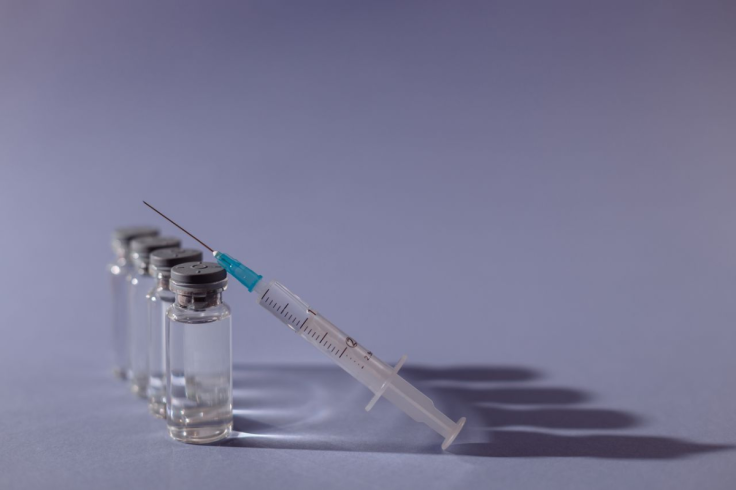
Moderna and MSD (Merck Sharp & Dohme (UK) Limited) have reported positive Phase 3 results for their personalised cancer vaccine in patients with high-risk melanoma, raising hopes that the first treatment of its kind could reach the market as early as 2027.
The experimental vaccine, called intismeran autogene, reduced the risk of cancer returning or spreading when combined with MSD's immunotherapy drug Keytruda. The late-stage trial involved 1,137 patients whose stage IIB to IV melanoma had been surgically removed.
However, the treatment has not yet received regulatory approval. Moderna and MSD must provide detailed results to medicines regulators before doctors can prescribe it outside clinical trials.
What Did the Phase 3 Trial Find?
Patients in the trial received either intismeran with Keytruda or Keytruda alone following surgery to remove their tumours.
An interim analysis found that the combination met the trial's main goal of improving recurrence-free survival. It also achieved a key secondary target by reducing the risk of melanoma spreading to distant parts of the body.
Moderna and MSD described the improvements as statistically significant and clinically meaningful but did not immediately disclose the precise risk reductions. Full findings are expected to be presented at a medical conference.
The companies also reported that no new safety concerns emerged. Data showing whether the vaccine helps patients live longer are not yet available, meaning researchers will continue monitoring participants.
Earlier Phase 2b results strengthened expectations surrounding the treatment. After five years, intismeran and Keytruda reduced the risk of recurrence or death by 49 per cent compared with Keytruda alone. The risk of distant metastasis or death fell by 59 per cent.
Those figures should not be treated as the final Phase 3 outcome because they came from a smaller, separate study involving 157 patients.
How Does the Personalised Cancer Vaccine Work?
Intismeran is a treatment for people who already have cancer, rather than a preventive vaccine given to healthy patients.
Doctors begin by taking a sample of the patient's tumour and analysing its unique genetic mutations. Moderna then produces an individualised mRNA vaccine carrying instructions for as many as 34 tumour-specific targets, known as neoantigens.
Once injected, the vaccine is designed to teach immune cells to recognise those targets and destroy cancer cells carrying them.
Keytruda supports that response by blocking a protein called PD-1, which tumours can exploit to hide from the immune system. The combination is intended to help the body identify remaining cancer cells after surgery and prevent them from forming new tumours.
Because every dose must be manufactured for one specific patient, the process is more complicated than producing a conventional medicine in large, identical batches.
Could Patients Receive the Vaccine in 2027?
Moderna and MSD have begun discussions with regulators, and Moderna president Stephen Hoge said eligible patients could potentially receive the treatment in 2027 if reviews proceed successfully.
That remains a best-case estimate rather than a confirmed launch date. Regulators must examine the complete Phase 3 data, including effectiveness, side effects and manufacturing standards, before deciding whether to approve the treatment.
In the United States, the Food and Drug Administration could consider an accelerated review because intismeran previously received breakthrough therapy status. Applications would also be required in Europe and Britain.
UK patients would need the vaccine to receive authorisation from the Medicines and Healthcare products Regulatory Agency. A separate assessment would probably be needed to determine whether its benefits justify the cost of providing it routinely through the NHS.
Pricing has not been announced. Manufacturing capacity, tumour sequencing and the time required to produce each individual dose could also influence how quickly the vaccine becomes widely available.
For now, intismeran remains an investigational treatment accessible through clinical studies. Its Phase 3 success marks a significant step towards approval, but patients will have to wait for regulators to decide whether the evidence is strong enough to bring personalised mRNA cancer vaccines into routine care.
© Copyright IBTimes 2026. All rights reserved.