

NHS Experts Urge Vitamin D Users to Stop After Rise in Overdose Symptoms
NHS experts have warned of rising cases of illness linked to prolonged high-dose vitamin D use
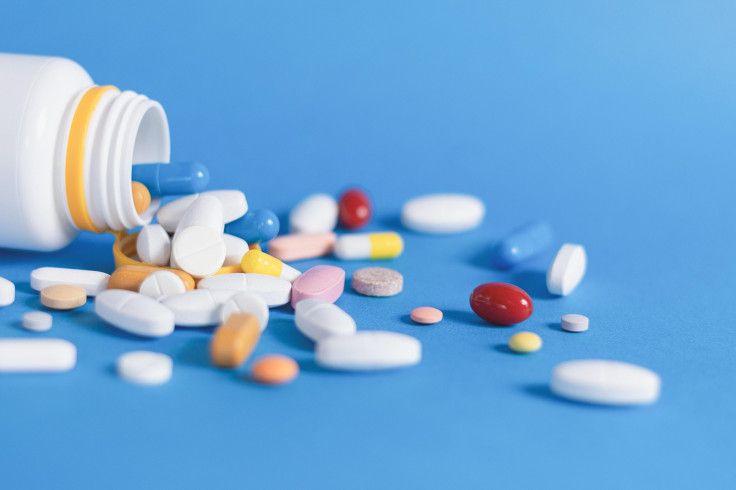
Health officials in the UK are advising people who take vitamin D supplements to remain alert to signs of excessive intake, following a rise in reported cases of illness linked to prolonged high-dose use.
The NHS continues to recommend vitamin D supplementation during the autumn and winter months, when reduced sunlight can limit natural production of the vitamin. However, recent safety reviews and medical case reports have highlighted the risks associated with taking doses that exceed established guidance.
Clinicians say problems most often arise when individuals use multiple supplements simultaneously or take high-strength products without medical supervision, leading to vitamin D toxicity, a condition known as hypervitaminosis D.
Vitamin D Supplementation and Safe Intake
Vitamin D supports bone health and normal muscle function, and NHS guidance advises many adults in the UK to take a daily supplement during autumn and winter when sunlight exposure is limited.
The recommended intake for most adults is 10 micrograms (400 IU) a day between October and March. Health authorities also set a maximum safe intake of 100 micrograms (4,000 IU) per day. Exceeding this level over time increases the risk of toxicity.
Excess vitamin D can raise calcium levels in the blood, a condition known as hypercalcaemia, which can disrupt normal bodily functions and place strain on organs including the kidneys.
From October to March we can’t make enough vitamin D from sunlight, so to keep bones and muscles healthy, it’s best to take a daily 10 microgram supplement of vitamin D. You can get vitamin D from most pharmacies and retailers.
— NHS (@NHSuk) January 18, 2026
➡️ https://t.co/HecEGvj7gC pic.twitter.com/aEkHqxK8dm
Reported Cases and Medical Findings
NHS England safety reviews have identified multiple cases in which people developed serious health problems after taking high-dose vitamin D supplements for prolonged periods. Several patients required hospital treatment following dangerous rises in blood calcium levels.
One documented UK case involved a middle-aged man who was admitted to hospital with persistent nausea, vomiting, abdominal pain, significant weight loss and acute kidney injury. Doctors found his calcium levels were substantially above the normal range and attributed the condition to excessive vitamin D intake taken alongside other supplements.
Health services have cited such cases in safety reviews to underline the risks linked to long-term use of high-strength vitamin D products without medical supervision.
NHS Guidance and Public Health Advice
NHS clinicians continue to state that vitamin D supplements are widely used and considered safe when taken within recommended limits. Safety concerns have centred on the use of high-dose products without medical oversight, particularly over extended periods.
Patients who are prescribed high-strength vitamin D are routinely monitored through blood tests to check calcium and vitamin D levels. For non-prescription supplements, health authorities advise adherence to labelled dosages unless a different intake has been recommended by a healthcare professional.
Consumer group Which? has previously reported that some vitamin D supplements sold in the UK contain doses far higher than standard daily guidance, a factor health officials say can increase the risk of unintended overconsumption.
The Government health advisors have been ‘advising’ a daily dose of Vitamin D which was 22 times too low since 2014. Vitamin D is essential for a strong immune system and is made by the body on exposure to sunlight.We are not allowed much of that anymore so I take supplements. pic.twitter.com/xhxjBx9JC0
— Andrew Bridgen (@ABridgen) December 8, 2025
Symptoms Linked to Vitamin D Toxicity
Symptoms associated with vitamin D overdose can develop gradually. Reported warning signs include persistent nausea, vomiting, loss of appetite, increased thirst, frequent urination, abdominal pain, constipation, muscle weakness and confusion.
People who experience these symptoms while taking vitamin D supplements are advised to stop use and seek medical assessment. Blood tests can confirm calcium and vitamin D levels and inform appropriate treatment.
They got Vitamin D wrong and the World paid the price.
— Humanspective (@Humanspective) January 2, 2026
An unearthed Pharmacology book from the 1970's revealed a "Maintenance" dose of between "50,000 and 250,000 units daily".
For decades the World Health Organization has been recommending around 200 IU a day. https://t.co/DffpprQk9g pic.twitter.com/1XeU8HHZfe
🚨How much vitamin D should we be taking?”@DrMarcSiegel: “Vitamin D is a super immune vitamin. About 40% of people are deficient.”
— Laura Ingraham (@IngrahamAngle) January 22, 2026
“I recommend 2,000–5,000 units a day, monitored by your doctor. It reduces severe flu risk and helps the immune system fight infections.” pic.twitter.com/BslHiHmLDa
Ongoing Monitoring and Public Awareness
Health authorities continue to review prescribing guidance and monitor reported cases of vitamin D toxicity. Updated advice focuses on clearer labelling, appropriate dosing and patient education.
Vitamin D supplementation remains part of NHS seasonal health guidance for many adults. Medical reviews underline the importance of adhering to established dosage limits and consulting a clinician before taking high-strength products.
With cases of overdose linked to prolonged excessive use, health services continue to encourage informed and cautious supplement use to reduce the risk of preventable health complications.
© Copyright IBTimes 2026. All rights reserved.