

Republican Hopeful in Florida Vows 50% Sin Tax Targeting OnlyFans Creators and 'Sick Men Online'
Florida faces heated debate as Fishback claims a massive tax will fund school lunches and punish adult content creators

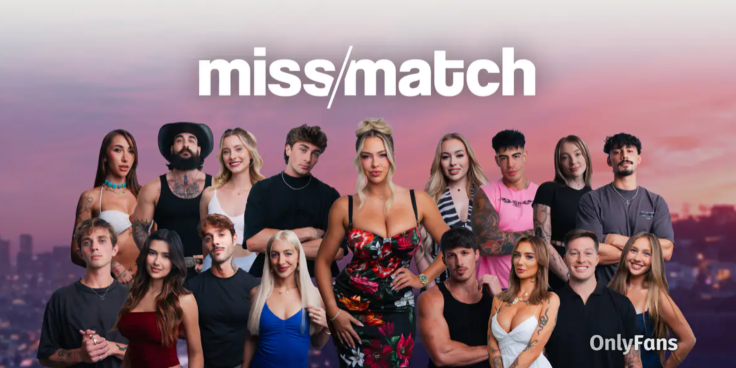
Florida politics erupted this week after Republican gubernatorial candidate James Fishback proposed a 50% sin tax on OnlyFans creators and the men who consume their content. Fishback argues that the tax would 'disincentivise and deter' adult entertainment while raising $200 million for school lunches.
The 31-year-old investment CEO insists that the measure is rooted in morality. He claims young women should focus on raising families rather than selling adult content, and young men should avoid 'lustful content' that could rewire their brains. Critics, however, have dismissed the proposal as heavy-handed and out of touch with the realities of modern work.
OnlyFans Stars Fight Back
Immediately, creators voiced their discontent with the proposal. Sophie Rain, one of the highest-earning creators with $95 million earned from 2023 to 2025, described it as the 'dumbest thing she's ever heard.' Ms Rain, who is also the co-founder of Bop House—a Florida-based residential facility for adult stars—explained she already pays millions in taxes. She argued that punishing success in this way is illogical.
Even conservative creator Anya Lacey, who is in the top 0.1% of OnlyFans earners, expressed her incredulity, stating that the tax is 'absolutely ridiculous'. She warned that she would leave Florida if such taxation becomes law, highlighting the irony of a 'sin tax' in a state where Miami's wealth has often been built on questionable money. Both Rain and Lacey agree that the proposed plan unfairly targets their industry while ignoring the broader context of morality and legality across other industries.
Politics, Morality, and Money
Fishback is currently trailing significantly behind US Representative Byron Donalds in polling for the Republican primary. Political analysts suggest that Fishback may have introduced this 'Sin Tax' proposal as a strategy to generate media attention and rally conservative voters by championing traditional family values and morality.
The financial implications of this tax could be considerable. Fishback estimates that many top performers on these platforms could lose hundreds of millions of dollars in income. Rain, for instance, predicts she could be liable to pay approximately $42 million in taxes if this legislation passes. Legal experts are raising concerns that targeting an entire industry might face constitutional challenges, particularly regarding fairness and the equal protection clause of the US Constitution.
The social media discourse surrounding the proposal has been intense. Opponents argue that the tax is punitive and discriminatory, unfairly penalising performers and dismissing the legitimacy of OnlyFans as a business model that provides livelihoods for many Americans.
The Broader Implications
Despite the widespread criticism, Fishback remains steadfast. He frames the tax as a moral and public welfare measure, asserting it will promote societal values. However, Floridians are witnessing a clash between conservative ideals and the realities of digital-age entrepreneurship.
This controversy extends beyond mere taxation; it raises fundamental questions about freedom, choice, and government intervention. How far should authorities go in regulating legal adult work? Florida's approach could serve as a precedent for future regulation of online industries.
OnlyFans creators are making their voices heard, and the nation is watching closely. For now, the debate over the proposed sin tax exposes deep divisions within society—highlighting how morality, politics, and digital economies increasingly collide in the modern era.
© Copyright IBTimes 2026. All rights reserved.