Seventeen-Year-Old Takes Own Life After Learning About Mental Health Diagnosis Through FOI Request - Could It Have Been Avoided?
'Bottom line: Maya may still be here today if she had not received that report. It was the ultimate trigger that led to her death,' said Maya's mother.
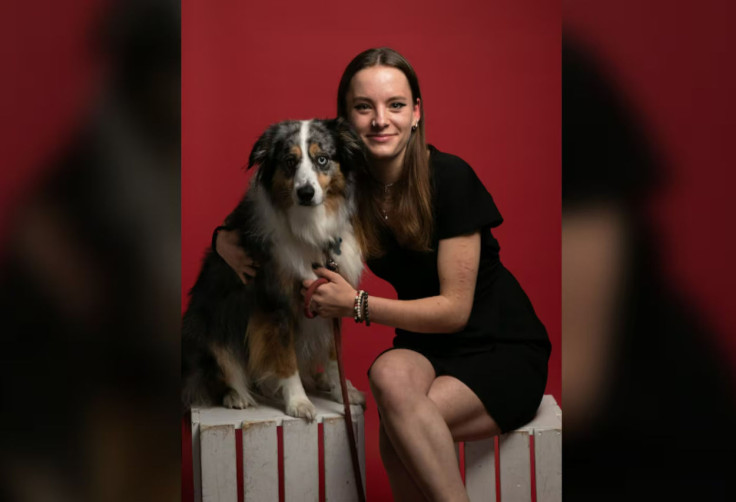
Seventeen-year-old Maya Cassady, a high school honour student in British Columbia, Canada, took her own life on 30 March 2023, just two months before her graduation. The promising teenager had recently discovered details about her mental health diagnosis through a freedom of information (FOI) request.
Her mother, Hilary Cassady, believes the tragedy could have been avoided, claiming that doctors never disclosed the diagnosis to them and that the report became the ultimate trigger.
Maya's Diagnosis
Maya had been admitted to Lions Gate Hospital in North Vancoucer for four days in February 2023 and was treated for an acetaminophen overdose, which doctors concluded was an attempted suicide, according to CTV News. She later requested her records from that visit through FOI.
Hilary first became aware of her daughter's mental health struggles in 2020, when Maya was just 15, and sought help through a suicide helpline.
During her hospital stay, doctors listed Maya's diagnosis as 'chronic dysthymia vs unspecified depressive disorder' and classified the teen as 'not acutely suicidal'.
Friends later recalled that after receiving the file, Maya began researching the diagnoses online, often reading the documents during their school commute and even in free periods.
Maya's Google Searches
Hilary discovered Maya's Google searches, which included questions such as 'Is persistent depressive disorder lifelong?', as well as searches about bipolar II and other conditions listed in her chart.
The final search on Maya's phone appeared to be the most distressing. It suggested that her symptoms were 'untreatable'.
'She had given up hope when she felt that her diagnosis was untreatable — that was the response when she Google searched some of the terminology in the report,' Hilary said.
According to the Daily Mail, Hilary knew about Maya's depressive disorder diagnosis but had no knowledge that doctors had also considered bipolar disorder. She claimed this was never mentioned.
'I went every time my daughter was hospitalised. I went and sat with the psychiatrist,' she said.
Hilary added, 'I even took recordings so I wouldn't miss anything, and I can tell you that terminology was never discussed with me either.'
Hilary Thinks It Could've Been Prevented
Since her daughter's death, Hilary has become an advocate for youth mental health, raising awareness about the risks of teens accessing their records through FOIs and potentially misinterpreting the contents.
She said, 'Bottom line: Maya may still be here today if she had not received that report. It was the ultimate trigger that led to her death.'
In British Columbia, where Maya was treated, patients over 12 years old can request their medical records without parental consent. However, the Office of the Information and Privacy Commissioner of B.C notes that there are protections in place blocking the release of the records for minors, especially those results that are deemed harmful for the recipients.
Yet, with thousands of requests filed, the commission admitted that it's 'not possible' to screen them all.
Legacy and Advocacy
Hilary launched the Maya Veronica Cassady Mental Health Wellness Fund, which aims to provide financial aid to one student each year as they work on their mental health.
She has also proposed and pushed that any teen granted access to their medical records should first meet with a medical professional who can explain the prognosis, available options, and medical terms in a way they can understand.
'Teens want control over their treatment and want to understand what is happening to them,' she said.
Hilary has since written to her representatives and remains an outspoken advocate for young people's mental health.
Maya is remembered by those who loved her as 'witty, spicy, fun, bright, caring, and beautiful.'
'She was my "mini-me," and I miss her so much,' Hilary said.
If you or someone you know is experiencing mental distress, contact Samaritans: 116 123 for the UK or Suicide & Crisis Lifeline: 988 for the US.
© Copyright IBTimes 2026. All rights reserved.
- MOST POPULAR IN Health