Shocking Number of People Leaving England's A&E Without Being Treated Triples in Six Years
The number of people who goes to private treatment almost did not improve
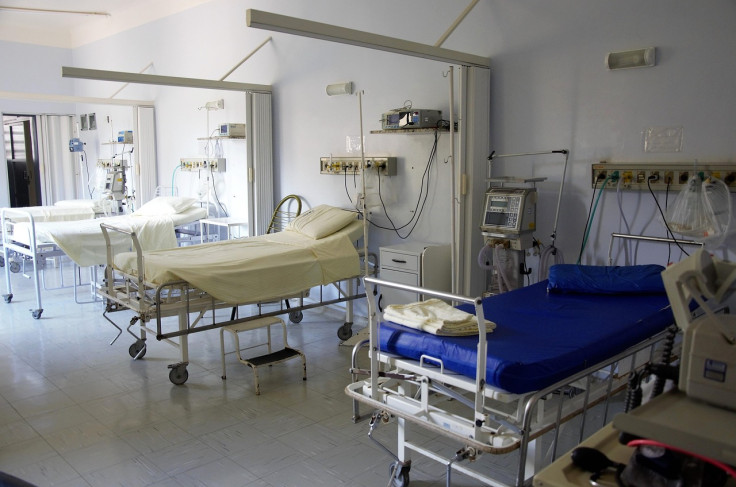
A significant number of sick people in England reportedly walk out of the Accident & Emergency (A&E) without receiving treatment, according to the data gathered by the Royal College of Nursing.
A report from The Guardian revealed that the nursing organisation found in NHS data that the heightened demand for immediate hospital care and the extended waiting times led to what they called a 'shocking' rise in the number of sick individuals leaving hospitals' emergency departments without receiving treatment.
What the RCN Discovered
Based on the data, over 320,000 people walked out of A&E without receiving treatment from July to September 2025. It is more than three times the number recorded during the same months in 2019, when only less than 100,000 people left A&E untreated.
The data also showed that the most common reason why patients leave is the long waiting time. Based on RCN's analysis, there was a 90-fold increase in the number of people who were asked to wait for more than 12 hours to get treated, from 1,281 in 2019 to 116,141 this year.
'Unacceptable' Healthcare Crisis
According to Prof Nicola Ranger, RCN's general secretary and chief executive, the lack of urgency in addressing the problem was unacceptable.
'Skyrocketing numbers leaving emergency departments without treatment is dangerous and a sign of a broken system,' Ranger stated.
'The reality is that the failure to deliver proper, well-resourced primary and community care services leaves people with no choice but to go to A&E, meanwhile those in hospital and ready to be discharged cannot leave because of that same lack of support available closer to home. The net result is acute services totally jammed up, staff at breaking point and patients leaving frustrated, only to possibly return in even worse health,' the RCN's head added.
More People Cannot Afford Private Healthcare
Another report conducted by LaingBuisson, a private healthcare analyst, learned that the pressure on the NHS to serve patients urgently could have been worse since there are fewer patients who go to private healthcare providers for treatment.
According to LaingBuissson's head of research, Tim Read, the percentage of people who opt to get treated privately only grew to 0.1% in 2024.
Read shared that even if the market for more affordable private diagnostic services is relatively flourishing, Britons are choosing to rely on NHS services despite the long wait because of their financial concerns.
'Should self-funders begin to turn away from private healthcare towards NHS services, it will place even more strain on the NHS,' Read stated.
Government's Response
In reply to the analyses, a spokesperson from the Department of Health and Social Care said, 'No one should receive care in a corridor in a chair or trolley – it is unacceptable and undignified. We are determined to end this, which is why we're publishing corridor waiting figures so we can take the steps needed to eradicate it from our health service. Sunlight is the best disinfectant to stop this practice.'
The spokesperson also added that they are investing at least £450 million (approximately $594 million) to boost same-day and urgent care services, upgrade up to 500 ambulances, produce new mental health crisis centres, and allow NHS leaders to have more authority to come up with local solutions.
© Copyright IBTimes 2026. All rights reserved.
- MOST POPULAR IN Health