Sony Filed Patents For AI That Could Remotely Diagnose a PlayStation and Write Code To Patch It
The filings cover a wider connected-device ecosystem, while one application had already received a final rejection eight days before publication

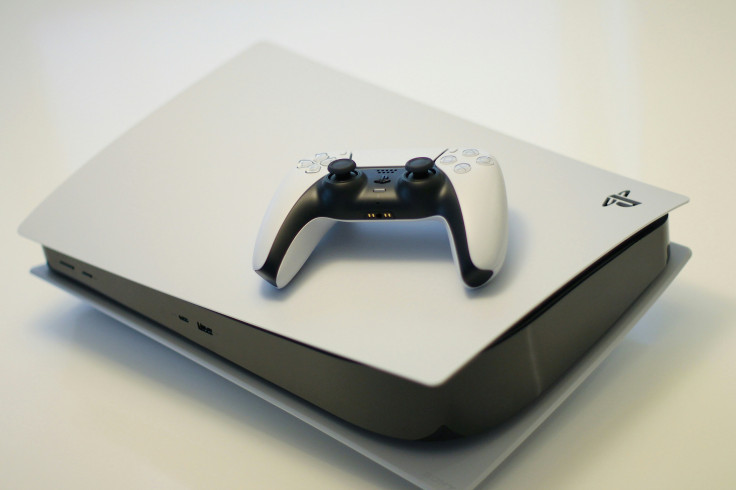
Sony has filed two US patent applications describing an AI system that could diagnose faults in a PlayStation or other connected device, generate diagnostic code and potentially produce software updates when the same problem appears across multiple machines.
The system sends diagnostic information from a device to a remote server, where AI models analyse the data and determine whether further investigation or corrective action is needed. A large language model (LLM), an AI system capable of generating code, could then create a diagnostic program for the specific fault and send it back to the device to run.
In a PlayStation example, a console could report a software problem, receive a diagnostic program generated in response to that fault and run it to provide more information. The system could then determine whether corrective action is appropriate or log the problem for human review.
Two Applications, One Connected System
The more ambitious application, US 2026/0277732 A1, describes a client device reporting a suspected fault to a remote server. The server can analyse the information, decide whether more diagnostics are required and use an LLM to generate code for that investigation.
That code could be sent back to the device and executed to collect additional information. If the same fault appears across multiple devices, the related filing also describes using machine learning to identify the recurring problem and generate a software update to address it.
In practical terms, that is the 'patch' described by the headline: software that could be produced for a recurring fault and distributed to affected devices.
The second application, US 2026/0277730 A1, covers diagnostics between connected client devices. One Sony device could initiate a diagnostic process on another device on the same network. A PlayStation could, for example, act as the first device while a Sony television or another connected product is examined.
The applications were filed by Sony Group Corporation, rather than Sony Interactive Entertainment, the business behind PlayStation.
Their scope is also broader than gaming, covering consumer electronics including displays, headphones, cameras and smartphones. The inventors listed on both applications are James R. Milne, Justin Kenefick, William Clay and Christopher Bjork.
The technology is centred on software diagnostics and corrective action, rather than physical repair. Generated code could investigate a software fault or configuration problem, but it would not repair a damaged HDMI port, failed storage hardware or another physical component.
Generated Code Raises a Verification Question
A diagnostic routine produced for an individual fault would need to be checked before it received permission to execute on a consumer device. The question becomes larger when the system generates an update for multiple machines: a flawed diagnostic routine affects one incident, while a flawed update could affect an entire group of devices.
The applications describe a route for human review, including recording problems rather than immediately taking corrective action. They do not specify how Sony would verify, authorise and control AI-generated code before deployment.
That distinction is important because the filings describe an architecture Sony is seeking to protect, not a finished system already running on PlayStation consoles.
One Filing Was Rejected Before Publication
Sony filed both applications on 14 March 2025 and they were published on 17 September 2026. According to the USPTO-derived records published by Patentlyze, US 2026/0277732 A1 received a final rejection mailed on 9 September 2026, eight days before the application was published.
US 2026/0277730 A1 had a non-final action mailed on 10 August 2026. Patentlyze record for US 2026/0277732 A1 Patentlyze record for US 2026/0277730 A1.
A final rejection does not necessarily end an application. Sony can pursue available responses within the US patent process, including amendments or other proceedings. Publication also does not mean the technology has been granted patent protection.
Whether the architecture ever becomes a PlayStation feature remains unknown. For now, Sony's filings describe a way for connected devices to report faults, for remote AI to investigate them and for generated software to diagnose or potentially address recurring problems.
© Copyright IBTimes 2026. All rights reserved.
- Recommended For You