SpaceX Launch Accident: Are Commercial Flights Safe Near Launch Zones?
SpaceX rocket explosion put passenger planes at risk, raising concerns over flight safety near launch zones.
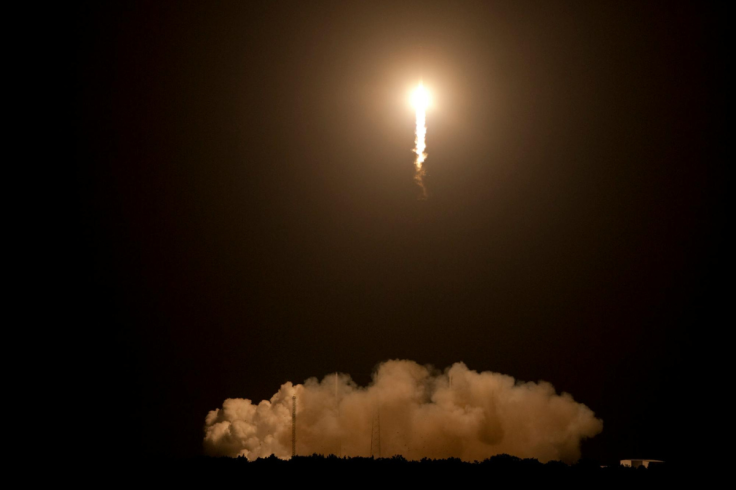
A devastating rocket explosion has thrust the risks of commercial flights near space launch corridors into the spotlight. The recent SpaceX Starship test flight explosion in January 2025 not only obliterated the rocket mid‑air but also sent debris raining across busy air routes, posing significant danger to multiple passenger aircraft.
In an incident that startled pilots and controllers alike, three passenger jets carrying approximately 450 people faced peril when the SpaceX Starship rocket broke apart minutes after liftoff. One JetBlue flight was warned by an air-traffic controller that continuing its journey over the debris field would be 'at your own risk,' forcing the crew to take evasive action.
Communication Breakdown and Chaos in the Skies
The explosion occurred less than ten minutes into a routine test flight, scattering debris across the Caribbean region. US officials said airlines were caught off guard as the rocket's pieces tumbled toward flight paths.
Simultaneously, an Iberia Airlines aircraft and a private jet also encountered unexpected hazards, eventually declaring emergency fuel situations before landing safely.
According to aviation experts, a key problem was a delay in official notification. SpaceX did not immediately report the explosion through the FAA's dedicated hotline, leaving controllers to learn of the danger from pilots themselves. Federal Aviation Administration (FAA) records reveal that debris fell for nearly 50 minutes, prolonging the risk to aircraft in the vicinity.
One controller described the situation as a 'potential extreme safety risk,' stressing how unusual it was for commercial flights to be so directly affected. Air traffic control was stretched thin during the incident, managing multiple emergency declarations and reroutes amid fast‑changing conditions. One report noted controllers had to act urgently to prevent two aircraft from flying dangerously close to each other amid the chaos.
@dailymail A SpaceX test flight that was 'destroyed' less than ten minutes after its launch in January put multiple passenger jets in serious danger while in flight over the Caribbean. Federal Aviation Administration documents now show the collateral peril the explosion put three flights in that evening, including a JetBlue trip to San Juan whose crew was told their onward journey could only be made 'at your own risk.' The three planes were carrying a total of 450 people and were fortunately able to land safely after declaring fuel emergencies and traveling through a temporary no-fly zone, WSJ reported. Find out more at Daily Mail. #spacex #airspace #usa #news
♬ original sound - Daily Mail - Daily Mail
Expert Concerns Over Debris Hazards
Beyond immediate communication issues, aviation safety analysts worry about the fundamental hazard posed by rocket debris. Even small fragments can cause what is known as Foreign Object Damage (FOD), capable of disabling jet engines or compromising airframes if they strike at high speed.
Historically, aviation incidents involving debris have had catastrophic outcomes; experts argue this makes space launch debris management a national safety priority as commercial spaceflight increases.
Regulatory Scrutiny Intensifies
In response to the incident, the FAA has stepped up scrutiny of SpaceX launch operations. Reviews launched earlier this year into how debris from rocket failures is handled have been fast‑tracked, and regulators are pushing for better coordination between space companies and civil aviation authorities.
Proposals under consideration include expanded temporary no‑fly zones around launch paths, more reliable real‑time alert systems, and stronger enforcement of hazard notification protocols. These measures aim to reduce the chance of future near‑misses.
SpaceX's Starship explosion in January posed a greater danger than previously known, according to the FAA. New documents obtained by the Wall Street Journal reveal the moments controllers scrambled to re route planes. Morgan Norwood reports. https://t.co/QzCTi776bC pic.twitter.com/ulvQPgdbUB
— World News Tonight (@ABCWorldNews) December 22, 2025
Balancing Innovation with Safety
SpaceX has defended its testing programme, saying rapid learning from failures is part of innovation. Company representatives claim public safety remains a paramount concern, even as ambitious schedules push the boundaries of spaceflight.
However, airlines and safety advocates argue that civilian aviation cannot be treated as an afterthought in the rush to commercialise space. They insist robust systems—both technological and procedural—must keep pace with the growing frequency of launches.
The latest SpaceX accident is a sobering reminder that, as new frontiers open, so too must the safeguards that protect those flying above them.
© Copyright IBTimes 2026. All rights reserved.
- MOST POPULAR IN Trending