

Starling Bank Valued at £1.7B as Founder Anne Boden Offloads Remaining Shares
The founder sold his 2.7% stake for £45 million as the digital bank's profits declined
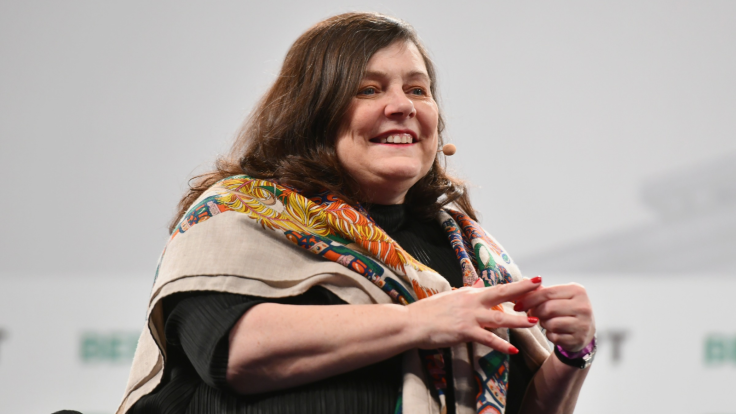
Starling Bank's valuation has been pegged at about £1.7 billion after founder Anne Boden quietly sold her remaining shares in the digital lender, according to Sky News.
The broadcaster reported that the sale of her final 2.7 per cent holding is estimated to have raised about £45 million. That is consistent with the implied valuation, though the precise amount Boden received has not been independently confirmed.
The implied valuation is less than half the figure of up to £4 billion that Starling was reportedly seeking in a planned secondary share sale last year.
Who Bought Boden's Final Stake?
The Sunday Times reported at the weekend that Boden had sold her remaining shares, although it did not disclose the price. The newspaper said the buyers included existing shareholders, among them Starling's largest investor, Harald McPike.
Boden told Sky News she was unable to comment on the sale. Starling also declined to comment to the broadcaster. However, a company spokesperson told City A.M. that Boden had sold her shares privately to several existing shareholders, with the company's full knowledge.
A private sale between existing shareholders does not, on its own, show what new investors would be prepared to pay. Nor does it set a definitive market value for the whole business. Details such as the price per share and the full list of buyers have not been made public.
People familiar with similar transactions say such deals are often used to tidy up legacy shareholdings or give early backers a way to sell their holdings, rather than to signal a formal valuation benchmark.
Without a broader fundraising round or a public listing, the £1.7 billion figure remains an implied price based on what existing investors were willing to pay Boden for her stake.
How the £4 Billion Ambition Compares
In September 2025, reports said Starling was aiming for a valuation of between £3.5 billion and £4 billion in a secondary share sale. Such a sale would have allowed existing backers to reduce their holdings and potentially brought in new investors.
That figure was a target rather than the price of a completed transaction. The two numbers relate to different deals, and the gap between them should not be read as a precise measure of how Starling's value has changed.
The shift in expectations comes against a tougher backdrop for fintech valuations, with rising interest rates and a slower funding environment affecting a range of digital banks.
Peers such as Monzo and Revolut have also faced scrutiny over price tags set during earlier boom years, and several high-profile fintechs have accepted lower valuations in recent fundraisings.
Even so, Starling remains one of the better-established UK challengers, with a full banking licence and a sizeable customer base. The latest implied valuation places it below some rivals on headline price but still firmly in 'unicorn' territory, defined as a private company worth more than $1 billion (£746.3 million).
Revenue Slips After Founder's Exit
Boden founded Starling in 2014 and stepped down as chief executive in 2023. Since then, the bank's revenue and profit have both slipped, a period Sky News described as 'choppy'.
For the year ended 31 March 2026, Starling reported revenue of £887.4 million, down 6 per cent from £940 million a year earlier. Profit before tax fell to £217.1 million from £223.4 million.
The bank remained profitable for a fifth consecutive year. Starling dropped 'Bank' from its consumer-facing brand in 2025, though it remains a licensed bank.
The company has previously pointed to competitive pressures in the savings market and a normalisation of interest income as drivers for slower growth, in line with a wider cooling across the sector after a period of rapid expansion. It has also invested heavily in technology and new products, which can weigh on short-term profit figures.
Flotation Questions and Boden's Next Move
Starling has long been discussed as a candidate for a stock market listing. The reported share sale does not indicate whether or when a flotation might happen. Any listing would depend on the company's plans and market conditions.
The exit of the founder as a shareholder removes one historic investor from the register but does not, on its own, reveal much about the timing of any public offering. Control of the bank now rests with institutional and other existing shareholders, including McPike, who has been a key backer.
Whether Starling can command a higher valuation in a future transaction remains uncertain. Some analysts have suggested that a clearer track record of growth in both revenue and profit, or progress in new business lines, would be needed to support a figure closer to the earlier £3.5 billion to £4 billion ambition.
Boden is reportedly working on a new artificial intelligence venture. Her departure from the share register completes a gradual move away from the company she founded, following her decision to step down as chief executive, and leaves Starling's current leadership to pursue the next phase of its strategy.
© Copyright IBTimes 2026. All rights reserved.