Britain Has 5% Savings Rates Yet Millions of UK Savers Are Still Leaving Their Cash To Earn Just 1.65%
The Bank of England expects inflation to rise above 4% in early 2027, putting renewed pressure on savers to review where their household cash is held

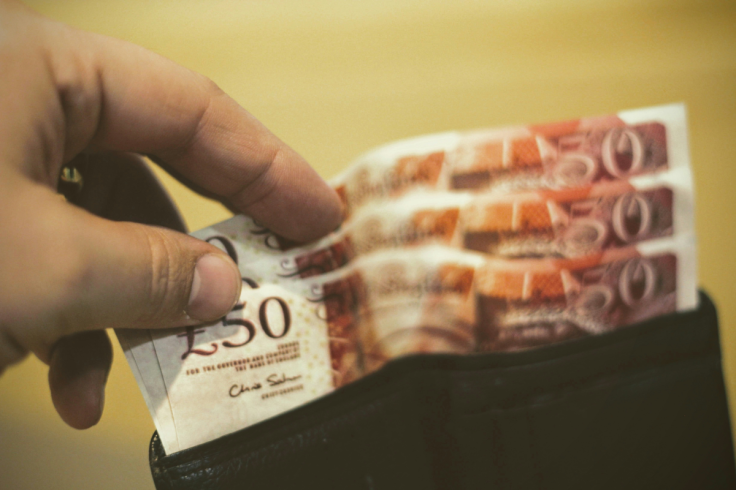
British savers can currently find some accounts paying around 5%, comfortably above the latest inflation rate. Yet the Bank of England says the effective rate on the existing stock of individuals' sight deposits was just 1.65% in July 2026.
That rate covers money already sitting in sight deposits, including current and easy-access accounts, rather than a single savings product offered to every customer. New time deposits paid an average 4.21% in July 2026, highlighting the wide gap between existing balances and newly opened accounts.
Moneyfacts data in September 2026 showed leading easy-access Cash ISA rates above 4.5%, although some included bonuses.
Some fixed-rate Cash ISAs were paying more than 5%, showing that the headline rate is available but is not typical of every savings account. The Office for National Statistics said CPI rose to 3.1% in August 2026, up from 2.9% in July.
Cash Still Sitting on Low Rates
Barclays estimated in 2025 that around 15 million UK adults held more than £610 billion in cash that could potentially be invested. Its calculation allowed for a six-month income buffer, so it was an estimate of possible surplus cash rather than money that should automatically be invested.
The Financial Conduct Authority's 2024 Financial Lives survey found that 61% of adults with more than £10,000 in investible assets held at least three-quarters of those assets in cash, up from 58% in 2022.
Those figures show how much household wealth can remain in cash, but they do not mean millions of people are earning exactly 1.65%. Money can stay in an old account after better rates become available, particularly when switching means finding a provider, checking conditions and moving a large balance.
Inflation Could Make the Gap Worse
The Bank of England held Bank Rate at 3.75% in September 2026. Based on energy prices at the close of business on 14 September 2026, the Bank said CPI inflation could rise to around 3.75% in the final quarter of 2026 and reach slightly above 4% in the first quarter of 2027.
That is a scenario based on market energy prices, not a promise that inflation will reach 4%. But the difference between a 1.65% account and a 5% account becomes significant if prices rise that far.
A £10,000 balance earning 1.65% would produce £165 in interest over a year before tax. If inflation were 4%, the saver would need £10,400 after a year simply to match the purchasing power of £10,000 today. The £10,165 balance would therefore be about £235 short of that level.
At 5%, the same £10,000 would generate £500, leaving the balance £100 above the £10,400 needed to keep pace with 4% inflation, before tax and assuming the rate remained unchanged.
Cash Still Dominates the ISA Market
HM Revenue & Customs figures show how large the cash market remains. Adults subscribed £135.7 billion to ISAs during the 2024–25 tax year. Cash ISAs accounted for 44.1% of the £952 billion market value of adult ISA holdings at the end of that year.
For emergency savings and money needed within a few years, cash can have an important role. The calculation is different for money intended to sit untouched for much longer.
Cash ISA Cap Adds Another Complication
From 6 April 2027, the annual Cash ISA subscription limit for people under 65 is due to fall from £20,000 to £12,000, while the overall ISA allowance remains £20,000. People aged 65 and over will retain the £20,000 Cash ISA limit.
An AJ Bell survey of Cash ISA holders found 49% expected the change to make no difference to what they do, while 22% said they would move money into a non-ISA cash account and 13% said they might invest in UK shares.
For savers, the calculation is simpler. A 5% rate and a 1.65% rate are both 'cash', but they produce very different results when inflation is 3.1% and the Bank says it could rise slightly above 4%. The question is what rate the cash already sitting in the account is actually earning.
© Copyright IBTimes 2026. All rights reserved.
- Recommended For You