

Oprah-Backed Restaurant Chain Files for Bankruptcy With $42 Million in Debt, Closes 12 Locations
HumanCo TFK IV commits $20M in financing to support True Food Kitchen as it restructures under Chapter 11 bankruptcy protection

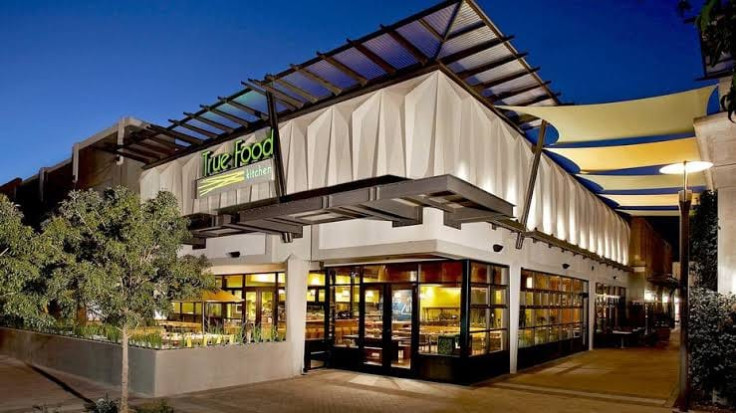
True Food Kitchen, the health-focused restaurant chain backed by Oprah Winfrey, has filed for Chapter 11 bankruptcy protection with approximately $42.1 million in funded debt, closing 12 restaurants as it seeks a buyer and additional financial support. The company said its remaining 34 locations across 14 states would continue operating during the restructuring.
The company and eight affiliated businesses filed for bankruptcy on 4 October 2026 in the US Bankruptcy Court for the Southern District of Texas. Its restructuring plan includes a $20 million debtor-in-possession financing commitment from HumanCo TFK IV. An interim court order issued on 6 October authorised borrowing of up to $5 million, with access to the remaining $15 million subject to final approval and additional conditions.
Court-related financial disclosures indicate that True Food Kitchen had approximately $1.6 million in unrestricted cash when it filed for bankruptcy. Financial adviser George N. Koutsonicolis estimated that the amount would cover about two weeks of operating and bankruptcy-related expenses without additional financing or other cash resources.
True Food Kitchen Closes 12 Restaurants Across the US
The closures affect restaurants in California, Florida, Illinois, Louisiana, Maryland, New Jersey, New York, Ohio, and Virginia. The affected locations include Century City, El Segundo, and San Diego UTC in California; Miami; Chicago; New Orleans; Bethesda; Edison and Hackensack; Garden City; Columbus; and Reston.
The 12 restaurants served their final customers on 4 October, reducing the chain's footprint from 46 locations to 34. The company said its remaining restaurants across 14 states would continue serving customers during the restructuring.
The company has not publicly specified the total number of employees affected by the closures. Chief executive Jeff Chandler acknowledged the impact on staff and thanked departing employees for their contributions to the business and their communities. True Food Kitchen has also sought court approval to continue paying employee wages and benefits, maintain certain customer programmes, and work with vendors during the bankruptcy proceedings.
Management Turnover and Expansion Decisions Weighed on the Business
In a court declaration, chief restructuring officer Nathan Cook attributed some of the company's difficulties to management turnover and frequent changes in strategy. Cook said successive leadership teams repeatedly altered expansion plans, brand direction, and menu offerings. He stated that investments in new products and restaurant concepts outside the company's core business had ultimately proved unsuccessful.
The business also experimented with alternative operating models during the COVID-19 pandemic, when restrictions disrupted in-person dining. According to Cook, some restaurants were converted into ghost kitchens, while a separate operation was established to handle delivery orders. These initiatives have since ended.
Cook also cited lower-than-expected customer traffic at some locations and changing market conditions affecting profitability at others. His declaration provides the company's account of the operational challenges preceding the bankruptcy filing, rather than establishing a single cause for its financial difficulties. Before filing for bankruptcy, True Food Kitchen reduced corporate staffing, renegotiated vendor contracts, and sought changes to restaurant leases to lower costs.
Oprah Winfrey Remains a Minority Investor
Winfrey invested in True Food Kitchen in 2018 and joined its board as the chain pursued expansion. Her current role is more limited. The company has confirmed that she remains a minority investor but no longer has a representative on the board and does not participate in daily management. In 2022, True Food Kitchen raised $100 million from investors including MannaTree Partners and HumanCo, according to previously reported investment details.
The funding round preceded the latest restructuring, but the available information does not establish that the investment was exhausted or that it failed for any single reason. The Chapter 11 filing marks a new stage in the company's efforts to restructure its finances and operations.
$20 Million Financing to Support Restructuring
HumanCo TFK IV has committed approximately $20 million in debtor-in-possession financing to help fund True Food Kitchen's operations during bankruptcy. The interim court order authorised borrowing of up to $5 million, while the remaining $15 million requires final approval and remains subject to additional funding conditions.
Debtor-in-possession financing can provide liquidity to businesses operating under Chapter 11 protection while they restructure, negotiate with creditors, and pursue a sale. The financing commitment does not, by itself, establish that the entire amount has been borrowed.
Chandler, who became chief executive in July, has described Chapter 11 as a way to simplify the business and concentrate on its core offering. The company is pursuing a court-supervised sale to identify a long-term partner with the resources and strategic alignment to support its future.
Founded in Phoenix in 2008 by restaurateur Sam Fox and physician Andrew Weil, True Food Kitchen built its reputation around health-focused meals and thoughtfully sourced ingredients. The outcome of the sale process will determine whether the chain can secure a suitable buyer and sustain its remaining 34 restaurants.
© Copyright IBTimes 2026. All rights reserved.