

Trump Admits Jan 6 Errors As He Hints at a Fresh, High-Stakes Move To Cancel the Election Result
In rare admissions, Trump concedes lessons from 6 January and hints at a controversial challenge to democratic norms.
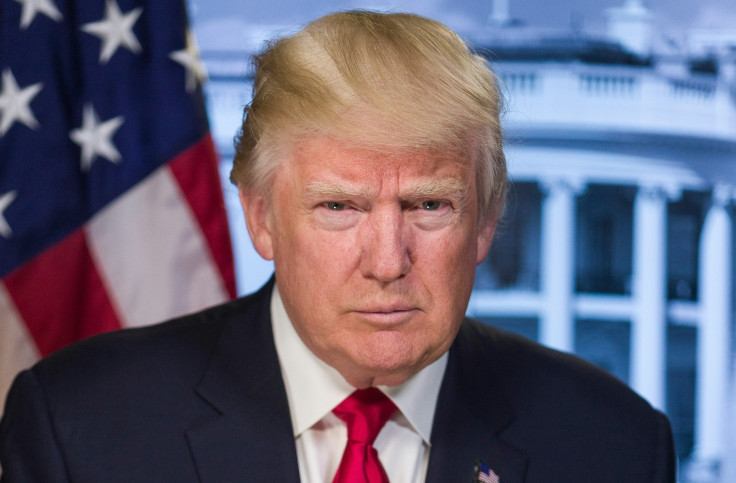
Donald Trump, in a series of rare admissions and controversial public remarks, acknowledged errors in the handling of events around January 6, 2021, even as he hinted at future efforts to challenge or undermine election results, raising profound questions about the resilience of democratic processes.
Donald Trump's reflections come against the backdrop of ongoing legal and political battles over his conduct related to the 2020 election and its aftermath. While he has alluded to 'lessons learned' from the Capitol riot, he has also floated ideas that alarm constitutional scholars, suggesting a willingness to nullify Democratic election victories in the future.
Acknowledging January 6 Missteps
In interviews and public commentary, Trump has said he learned lessons from 6 January about crisis management and messaging, though specific admissions of responsibility for inciting or failing to stop the violence have been limited and couched in broader reflections on political communication. These comments were widely reported after articles noted Trump's phrasing that he had 'learned lessons' from the violent breach of the US Capitol by his supporters.
Federal court records, congressional hearings, and official transcripts paint a detailed picture of Trump's conduct in the lead-up to and on the day of the January 6, 2021 Capitol riot. In public testimony before the House Select Committee investigating the attack, aides and officials detailed efforts to delay National Guard deployment and miscommunications between federal agencies.
At the heart of the January 6 investigations are thousands of pages of sworn testimony, official correspondence, and video outtakes released publicly by the Select Committee. One key piece of footage aired included Trump saying he 'didn't want to say the election's over' even as he acknowledged congressional certification, a remark widely cited by legal analysts as evidence of Trump's resistance to accepting electoral defeat.
Thousands of Americans paid the price for failures they didn't create.
— The White House (@WhiteHouse) January 6, 2026
President Trump delivered pardons.
Pelosi admitted responsibility.
The media lied.
Now see the REAL Jan. 6 story 👀📲 https://t.co/GBL2EyiCB3 pic.twitter.com/oJ1m7auV8S
Hints Of Challenging Election Results Again
Trump's recent speeches to Republican audiences have included comments interpreted by some constitutional law experts as signalling a willingness to challenge future election outcomes more aggressively. In remarks reported on 6 January 2026, Trump appeared to suggest that Democratic election victories could be nullified, though he quickly characterised these comments as rhetorical rather than direct policy proposals.
These remarks struck a chord of alarm among election law scholars. Under the US Constitution and federal election law, presidents do not have the unilateral authority to cancel or postpone elections; that authority lies with Congress and the states. Legal experts say any attempt to disrupt scheduled elections would almost certainly prompt immediate judicial intervention.
Nevertheless, Trump's public musings reflect a broader strategy that some allies have advocated: aggressively litigating election laws and deadlines, or challenging certification processes in closely contested states. Such strategies are not without precedent. In the aftermath of the 2020 election, Trump's team pursued over sixty legal challenges in state and federal courts, all of which were rejected for lack of evidence or legal standing.
A Test for Democratic Norms
Trump's openness to contesting electoral outcomes again arises amid deep national divisions over voting integrity and democratic legitimacy. Surveys and research indicate substantial segments of the American electorate hold differing views on election administration, with debates over voter identification laws and election security intensifying. While proponents argue for stronger safeguards, critics caution that overly restrictive measures can suppress participation.
International observers, including democracy monitoring organisations, have urged respect for institutional norms and the rule of law in the United States. They point to 6 January as a watershed moment that tested the resilience of democratic structures and highlighted vulnerabilities in political discourse and institutional responses.
The tension between acknowledging past errors and signalling potential future challenges exemplifies the precarious balance in modern democratic politics. Trump's recent statements, reflecting both contrition and confrontation, underscore this dichotomy and spotlight enduring debates over electoral legitimacy and executive power.
© Copyright IBTimes 2026. All rights reserved.