

Trump's $100K H-1B Visa Shock Divides Social Media as Some Cheer Jobs for Americans
Trump administration's proposed £75,500 fee for H-1B visas sparks debate over American job market and foreign talent
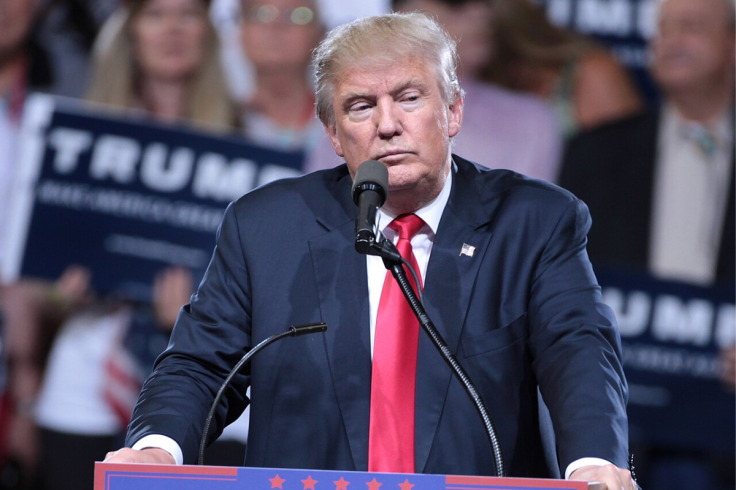
Imagine landing a dream job offer in Silicon Valley, only for your prospective employer to discover that sponsoring your H-1B visa could soon cost more than a house deposit. That is the prospect facing employers seeking to hire certain skilled foreign workers after the Trump administration unveiled a dramatic overhaul of the H-1B visa system.
The proposal has ignited a fierce online row, pitting those celebrating a potential win for American jobseekers against critics warning of lasting economic damage to industries that rely on skilled foreign talent.
How a $103,265 Fee Could Reshape US Tech Hiring
The US Department of Homeland Security issued a proposed rule on Monday, August 24, that would impose a $103,265 fee on employers for H-1B petitions subject to the annual cap. The proposal is due to be formally published in the Federal Register on Tuesday, August 25, marking a dramatic increase from previous H-1B costs, which typically ran into the thousands rather than six figures.
The H-1B programme has long been a major route for US employers to hire foreign workers in specialised occupations, particularly in technology, education and research. The programme provides 65,000 visas annually, with an additional 20,000 available to workers with qualifying advanced US degrees.
However, the proposed fee would not apply to every H-1B petition. It would apply to cap-subject petitions, including those eligible for the advanced-degree allocation, while cap-exempt petitions and certain other categories would be excluded.
The proposal follows a legal battle over Trump's earlier $100,000 H-1B fee, introduced in 2025. A federal judge in Massachusetts vacated that policy in June 2026, and the US Court of Appeals for the First Circuit later declined to reinstate it while the legal challenge continues.
The new proposal uses a formal rule-making process and has opened a 30-day public comment period. If finalised, the fee would be imposed through the new regulatory framework rather than the earlier presidential proclamation.
Social Media Splits Over Trump's Visa Fee Hike
Reaction online has been sharply divided. Supporters argue the change could give American workers a greater chance of securing jobs, while critics warn that it could hurt industries that rely on skilled foreign workers.
Healthcare workers were among those voicing concerns, with some pointing out that foreign-born professionals have become an important part of the US healthcare workforce. 'I work in a hospital — this is how we get f****** doctors,' one commenter wrote, while another added that 'lots of nurses come here on those visas.'
Others welcomed the prospect of more openings for American graduates, many of whom say they have struggled to break into competitive industries such as technology despite completing relevant degrees. 'Yeah I actually agree with this one. We need more jobs ourselves and we go to college so like... no excuse to not hire American-born workers,' one supporter wrote.
A second added, 'I actually agree with this. While I know many foreign workers in tech that are great, I know even more young American adults that society pushed to go to college and can't land a job in tech because of oversaturation.' Another described the proposal as a 'drastic move', saying Americans should be the 'priority' but foreign workers should still be brought in if vacancies remain.
The debate reflects the administration's broader argument that the H-1B programme can be used to displace American workers. Critics, including business groups and labour organisations, argue that such a steep fee could instead make it harder for US companies to recruit the specialised talent they need.
Trump Administration Targets Birth Tourism Amid Immigration Crackdown
The H-1B proposal comes as the Trump administration pursues a broader crackdown on immigration. Trump signed two executive orders on August 6 aimed at restricting birthright citizenship and targeting what his administration calls 'birth tourism', in which foreign nationals travel to the US for the purpose of giving birth and obtaining US citizenship for their child.
The orders came after the Supreme Court's June 30 ruling in Trump v. Barbara, which addressed the scope of birthright citizenship. The administration's measures include directing officials to take action against people seeking visas or entry for the purpose of birth tourism. The State Department already states that birth tourism is not a permissible basis for obtaining a visitor visa.
The H-1B fee proposal and the administration's actions against birth tourism form part of Trump's wider push to tighten the US immigration system. Both policies face scrutiny over their potential legal and economic consequences, and the final shape of the H-1B fee remains uncertain as the rule-making process and legal challenges continue.
© Copyright IBTimes 2026. All rights reserved.