

Trump's Policies Raise Taxes and Costs for All Income Groups Except Richest 1%, New Analysis Finds
Tariffs and expiring healthcare subsidies could raise household costs in 2026, outweighing tax savings for most income groups

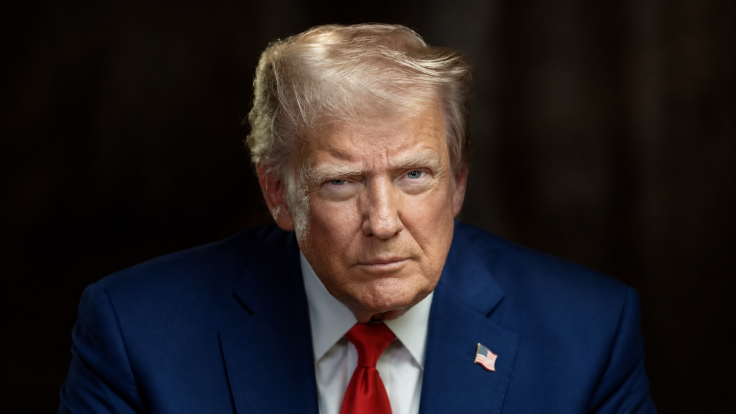
President Donald Trump's economic policies could leave most American income groups facing higher taxes and household costs in 2026, while the wealthiest 1% are projected to gain $12,560 overall, according to an analysis by the Institute on Taxation and Economic Policy (ITEP).
The report estimates that the middle 20% of earners will face an additional $1,700 in taxes and other costs this year, while the poorest 20% could pay around $750 more. In contrast, the richest 1% are projected to come out ahead as their tax savings outweigh additional costs.
Published on 8 October, the analysis examines new tax provisions under the One Big Beautiful Bill Act, the expiry of enhanced Affordable Care Act subsidies and price increases that ITEP links to the administration's policies.
Middle-Income Americans Face Higher Costs
ITEP estimates that policy-related price increases will add $1,850 to the annual costs of a typical middle-income American in 2026. The expiry of enhanced healthcare tax credits is projected to add another $230, while new tax provisions under the One Big Beautiful Bill Act are expected to save the same income group $380.
These estimates produce a net increase of approximately $1,700 in taxes and other costs for middle-income Americans. The figures are modelled averages, not bills every household will receive. Individual outcomes depend on income, spending patterns, tax circumstances, and healthcare assistance eligibility.
Tax Cuts Provide Some Relief
The One Big Beautiful Bill Act extended tax cuts introduced during Trump's first administration and introduced additional reductions. ITEP estimates that the new tax provisions will save a middle-income taxpayer around $380 in 2026. Including the extension of earlier tax cuts would provide a further estimated $780 in savings for the same group.
Kyle Pomerleau, a senior fellow at the American Enterprise Institute (AEI), argued that taxpayers would have faced higher bills if Congress had allowed the 2017 tax cuts to expire. ITEP's analysis distinguishes newly enacted tax provisions from the continuation of existing tax relief.
Steve Wamhoff, the organisation's federal tax policy director and the report's author, argues that the benefits of the new provisions are outweighed by additional costs for most income groups.
Tariffs and Healthcare Add to Household Pressure
Tariffs can raise the cost of imported goods and materials. Businesses may absorb some expenses but can also pass them on to consumers through higher prices. Adam Michel, director of tax policy studies at the Cato Institute, agreed that tariffs can make life more expensive for Americans, describing them as tax increases on consumers.
Pomerleau questioned whether ITEP's approach fully captures inflation's effect on household wellbeing. He argued that rising prices can coincide with rising incomes, meaning both should be considered when assessing consumers' financial position.
Healthcare costs are another concern for eligible Americans buying insurance through Affordable Care Act marketplaces. Enhanced premium tax credits reduced insurance costs for many households, but their expiry can increase premiums.
Michel has argued that the enhanced credits were intended to be temporary and that lawmakers could have made them permanent. ITEP, meanwhile, treats their expiry as a policy decision that the president and Congress could have reversed. This forms part of the report's methodology and reflects an ongoing disagreement over responsibility for the resulting costs.
Why the Wealthiest 1% Benefit
ITEP estimates that the wealthiest 1% will face an additional $15,990 in costs from price increases in 2026. However, projected tax savings of $28,550 would leave them $12,560 better off overall.
For most other income groups, the analysis finds that additional costs outweigh savings from new tax provisions. Michel has argued that higher earners receive larger tax savings in dollar terms partly because they pay more tax initially.
White House Disputes the Findings
The Trump administration rejects the suggestion that its policies are leaving Americans broadly worse off. White House spokesman Matthew Middleton said the president's economic agenda had curbed inflation, supported economic growth and created private-sector jobs. He also argued that the tax legislation delivered substantial relief to low- and middle-income Americans.
The administration's position contrasts with ITEP's assessment that higher prices and healthcare costs outweigh the benefits of new tax provisions for most income groups. ITEP's findings depend on its methodology, including how it measures price increases and treats healthcare subsidies and existing tax cuts. Its estimates describe average effects across income groups rather than predicting every household's financial outcome.
The central disagreement is whether the administration's tax reductions provide sufficient relief to offset additional costs. ITEP concludes that they do not, while the White House maintains that its policies are delivering broader economic benefits.
© Copyright IBTimes 2026. All rights reserved.