UFO Panic Hits Vermont as Lawmakers Push for State UAP Task Force After Years of Sightings
Unidentified aerial phenomena prompt Vermont to propose new state task force for airspace safety and transparency.

For decades, unexplained aerial sightings have puzzled pilots, military crews, and civilians alike. Now, Vermont has unexpectedly become the centre of fresh attention in the ongoing debate over unidentified anomalous phenomena (UAPs).
A state legislator has introduced a bill to create a task force dedicated to monitoring and investigating UAPs, signalling a significant shift in how states handle potential threats to airspace and public safety.
The Purpose Of The Vermont UAP Task Force
The proposed task force will centralise reporting, collect and analyse data, and coordinate with federal and academic partners. Its creation marks a new approach to transparency, offering the public a formal channel to report aerial or even underwater anomalies.
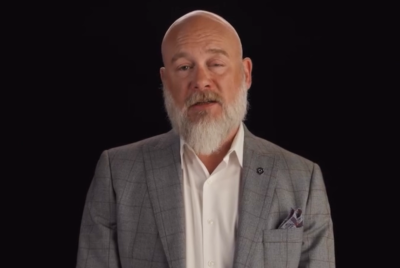
Representative Troy Headrick, I-Burlington, told Jesse Weber Live: 'As our radar capabilities increase, we're seeing more and more of these anomalous phenomena that are not identifiable.' He emphasised that the task force would release regular public reports, ensuring citizens remain informed about unusual activity in Vermont skies.
Unlike previous efforts reliant on federal disclosure, this initiative represents a state-led effort to track, manage, and explain anomalies. Experts suggest that such transparency could bolster public trust and improve data collection.
Why States Are Stepping In
The Vermont proposal is part of a broader trend in which states are no longer waiting for Washington to act. UAPs are increasingly treated as a legitimate airspace governance issue.
Recent incidents involving drones near sensitive infrastructure have highlighted the need for local oversight. In Louisiana, for example, two nuclear power plants were reportedly approached by drones. Governor Jeff Landry introduced the 'We Will Act' bill, allowing trained officers to use both kinetic and non-kinetic technologies to neutralise unlawful activity near critical sites. Although the specifics remain unclear, the law demonstrates that states are taking airspace threats seriously.
Vermont's initiative mirrors this trend. By creating a task force, the state acknowledges that unidentified anomalies could pose potential risks to safety, security, and infrastructure.
Public Interest and Transparency
One of the most striking aspects of the Vermont bill is its focus on public engagement. Unlike classified federal investigations, this task force is designed to encourage citizen participation, offering a public platform for reporting anomalies.
Advocates argue that involving the community is essential for a complete understanding of UAPs. With the growing prevalence of drones and advanced surveillance technologies, more people are likely to witness aerial phenomena. Having a formal reporting system could improve data accuracy while reducing speculation.
The move also reflects shifting public sentiment. After high-profile federal disclosures and documentaries such as those by James Fox, interest in UAPs has surged. Many argue that a state-level task force could ensure sightings are taken seriously without waiting for national authorities to respond.
Implications For Future UAP Oversight
The Vermont proposal could set a precedent for other states. By treating unidentified aerial phenomena as a matter of public safety, lawmakers are redefining the parameters of airspace governance. Coordination with federal agencies, universities, and research organisations may yield more detailed data and reduce the stigma surrounding reports of unexplained sightings.
Whether the task force uncovers simple misidentifications, advanced drones, or something more extraordinary, it represents a decisive step towards transparency. As technology evolves and sightings continue, Vermont's approach may influence national discussions on how to monitor and respond to unidentified anomalies in the skies.
With the combination of heightened public interest, ongoing sightings, and state-led transparency, Vermont is emerging as a surprising focal point in the growing UAP debate. Citizens, researchers, and law enforcement will now have a formal avenue to report and study unexplained phenomena, signalling a new era in local oversight of the skies.
© Copyright IBTimes 2026. All rights reserved.
- MOST POPULAR IN Trending