

What Is the 'Songwriters Hall of Fame' — and Why Taylor Swift's Induction Is Historic
At 36, Taylor Swift becomes the youngest woman ever inducted into the Songwriters Hall of Fame, marking a milestone that feels both historic and deeply personal
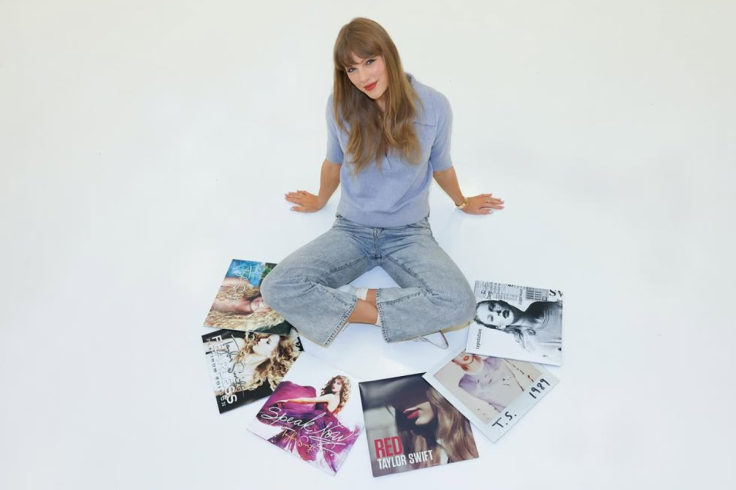
For many fans, Songwriters Hall of Fame has always felt like a distant institution — a place reserved for legends whose songs existed long before streaming, stan culture, or midnight lyric analyses. That's why Taylor Swift's 2026 induction lands differently.
At just 36, she becomes the youngest woman ever honoured, but the moment feels less like a formal accolade and more like collective validation — a recognition not only of her craft, but of the years fans spent growing up, healing, and finding language for their lives through her songwriting.
What is the Song Writers Hall of Fame?
The Songwriters Hall of Fame (SHOF) exists to honour the people behind the songs — the writers who turned feelings into lyrics, moments into melodies, and personal stories into cultural memory.
Founded in 1969, the Hall recognises songwriters whose work has proven its staying power over time. To qualify, a writer must have released their first commercially successful song at least 20 years prior — a rule designed to ensure that induction reflects legacy, not hype.
It's the kind of honour that usually arrives quietly, long after the screaming fans fade, which makes Taylor Swift's induction at 36 different.
The Class of 2026: A Seat at the Grown-Ups' Table
The 2026 inductees include songwriting giants whose work soundtracked entire eras — from Alanis Morissette and Kenny Loggins to Walter Afanasieff and Christopher 'Tricky' Stewart. These are the writers behind songs people know by heart, even if they don't always know who wrote them.
Taylor Swift joining this list doesn't feel like a stretch — it feels like the natural end of a very long sentence fans have been finishing since Fearless.
Why Taylor Swift's Induction Is Historic
At 36, Taylor Swift is now the youngest woman ever inducted into the Songwriters Hall of Fame. Not the youngest inductee overall — but the youngest woman by nearly a decade.
For fans, that matters.
Swift didn't arrive fully formed. She arrived with spiral notebooks, high-school crushes, and lyrics that felt like diary entries you weren't supposed to read — but desperately needed to. From Our Song to All Too Well (10 Minute Version) (Taylor's Version), she didn't just write hits; she chronicled growing up in real time.
Her induction validates something fans have always known: that songwriting — not spectacle — has always been the centre of her career.
More Than Songs: Why This Honour 'Hits Different'
Swift's recognition also lands at a moment when her legacy feels unusually complete. She has crossed genres without losing her voice, reclaimed ownership of her work, and proved that pop songwriting can be both commercially dominant and emotionally precise.
For a generation that grew up learning how to feel through her lyrics, this isn't just about charts or trophies. It's about being told that those songs — the ones you cried to, healed with, and outgrew — count.
The Songwriters Hall of Fame isn't flashy. There's no stadium, no friendship bracelets, no surprise acoustic set. And that's exactly why this moment matters.
Swift's induction doesn't immortalise her as a pop star — it canonises her as a writer. One whose work will outlive trends, algorithms and eras.

Long Story Short
Taylor Swift's induction into the Songwriters Hall of Fame feels like a closing chapter — not because her story is over, but because one version of it is now complete.
For fans, it's the rare moment when the institution catches up to the feeling. A quiet confirmation that the girl who taught a generation how to name their emotions has officially earned her place in music history — not just in our memories.
And somehow, that still feels like 'ours.'
© Copyright IBTimes 2026. All rights reserved.