

'2016 Is the New 2026' Explained: Why the Viral Movement Is Reviving 2016 Music, Trends, and Pop Culture
A decade later, music, fashion and digital habits from 2016 are resurfacing—driven by algorithm fatigue, cultural anxiety and the psychology of nostalgia.
If your social media feed suddenly feels warmer, louder and oddly familiar, you're not imagining it. Users across TikTok and Instagram have been reviving the aesthetics, sounds and habits of 2016 — ushering in a viral movement many have dubbed '2016 Trend' or '2016 is the new 2026'.
Bright, oversaturated filters reminiscent of early Instagram, the return of Snapchat dog ears, and decade-old pop tracks now dominate feeds. TikTok reports that the hashtag #2016 surged by more than 450% in the US in recent weeks, while searches for '2016 songs' and '2016 makeup' spiked sharply in January alone.
Why 2016 Still Hits A Nerve
For younger millennials and older Gen Zs, 2016 occupies a unique emotional space. It was the year of Pokémon Go, when people gathered outdoors chasing virtual creatures, and when social media still felt playful rather than performative. Musical.ly clips, mannequin challenges and unfiltered nightlife posts defined an internet that felt communal and low-stakes.

Culturally, the year has become shorthand for 'before'—before algorithm fatigue, before pandemic-era disruption, and before the constant pressure to monetise attention.
Music that's Fuelling the Revival
Music has emerged as the strongest driver of the 2016 comeback. Tracks from that year are climbing charts again, most notably Zara Larsson's Lush Life, which recently surged back into the UK Top 10 after soundtracking thousands of nostalgia-driven TikTok videos.
Streaming data shows a significant rise in '2016' playlists, with pop hits from Drake, Rihanna, Justin Bieber and The Chainsmokers once again shaping listening habits.
Several artists have leaned into the moment, reposting throwbacks and playfully acknowledging the trend, reinforcing the feedback loop between fans and creators.
@petitbiscuit the year that changed my life forever
♬ Sunset Lover - Petit Biscuit
Fashion, Filters and Digital Rebellion
The visual language of 2016—chokers, skinny jeans, wired headphones and maximalist make-up—has returned as both aesthetic choice and subtle protest. Social media strategists note that these throwbacks symbolise resistance to today's hyper-optimised platforms, evoking a time before carousels, Reels and constant algorithmic pressure.
In 2016, posting felt casual. A photo of brunch or a blurry night-out snap did not demand engagement metrics or viral strategy. Recreating that era now offers users a sense of agency in an increasingly automated digital environment.
The Psychology behind the 'Throwbacks'
Psychologists argue that nostalgia intensifies during periods of uncertainty. According to a 2024 research on memory and emotional processing, revisiting past images and cultural moments can increase positive mood and reduce negative affect, even when memories are bittersweet.

Nostalgic content helps people compare past and present selves, reinforcing identity and self-continuity. Importantly, it can also offer emotional distance from current stressors, making the past feel safer and more coherent than the present.
Experts note that nostalgia is rarely about accuracy. It selectively highlights joy, freedom and connection, while smoothing over discomfort. In this sense, 2016 functions less as a historical year and more as an emotional anchor.
Not Everyone is Romanticising It
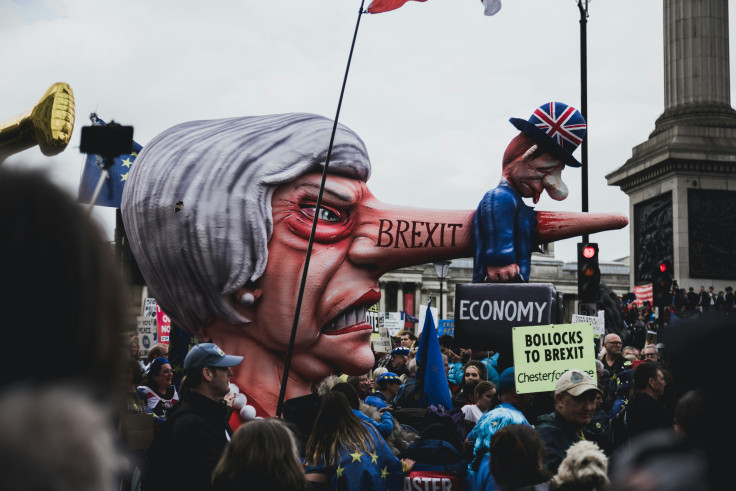
The trend has also faced pushback. Critics point out that 2016 was marked by political upheaval, including Brexit and Donald Trump's first election victory, as well as high-profile celebrity deaths that made it a deeply divisive year. For some, the rose-tinted filter feels like cultural amnesia.
Psychologists counter that this tension is precisely what gives nostalgia its power. Significant events act as memory markers, allowing people to orient themselves during times of change rather than rewrite history.
Why the Fixation to 2016?
Ultimately, the '2016 is the new 2026' trend is less about regression and more about emotional recalibration. It reflects a collective desire for optimism, shared culture and digital simplicity in an era defined by speed and saturation.
Whether the trend fades or reshapes pop culture long-term, its message is clear: when the present feels overwhelming, looking back—even briefly—can feel grounding.
For many, 2016 represents not perfection, but possibility—and that, in 2026, is enough.
© Copyright IBTimes 2026. All rights reserved.