

5 Numbers That Explain The UK–South Korea Trade Deal — From £2B At Risk To £400M In Services
From £2B in exports avoiding tariffs to new public contracts, the deal mostly protects trade while adding targeted gains
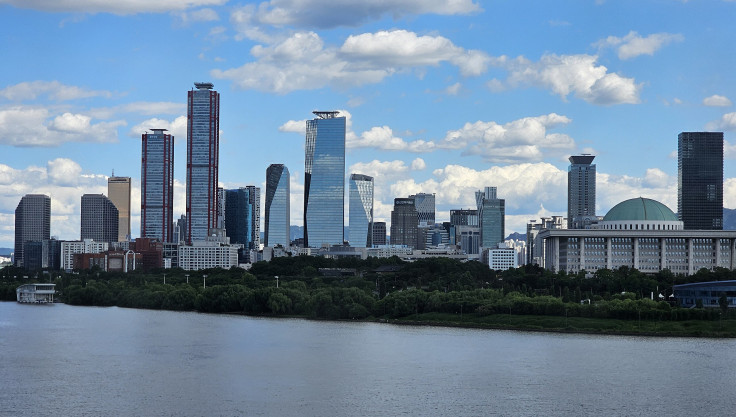
A new UK–South Korea trade deal is expected to prevent around £2 billion worth of British exports from facing impending tariff hikes. Over time, it could also add approximately £400 million annually to UK services exports into Korea. The agreement guarantees permanent tariff-free access across 98% of tariff lines with the world's 12th largest economy.
Here are five key numbers that explain what the deal means for UK businesses and workers — from exports that were weeks away from tariffs to new government contracts now open to British firms.
1.) £2 Billion — Exports Weeks from Tariff Hits
Some £2 billion of UK exports were on the brink of facing costly tariff increases. Iconic British brands stood to lose competitiveness: Bentley cars manufactured in Crewe, Guinness canned in Runcorn, and Scottish salmon — all facing price rises that could have priced them out of South Korea's market.
Frank-Steffen Walliser, chairman and chief executive of Bentley Motors, said: 'South Korea is a key market for Bentley and the luxury vehicle market. To secure immediate ongoing access to South Korea and a positive long-term trade deal is great news.'
This tariff shock would not only have affected luxury goods. It would have had ripple effects across car plants, pharmaceutical companies, and the food and drink industries that many regions rely on.
2.) 1.5 Million — The Workforce Behind The Exports
More than 1.5 million people are employed by UK firms that export goods to South Korea, according to HMRC trade data. This number includes not only big brand names but also factory workers, logistics staff, and support personnel whose livelihoods depend on those exports.
The deal's commitment to maintaining tariff-free access helps safeguard those exports and the jobs tied to them.
3.) 98% — Permanent Tariff-Free Access
The agreement guarantees permanent tariff-free access across 98% of South Korean tariff lines, matching the terms the EU has with Seoul. This provides UK manufacturers with long-term certainty about how their goods will be treated at the Korean border. It also features modernised rules of origin, making it easier for British-made cars and medicines to qualify for tariff breaks even when they incorporate imported parts.
Mike Hawes, chief executive of the Society of Motor Manufacturers and Traders, said the upgrade comes at a time of rising protectionism and shows the UK still wants to trade, giving car makers more confidence about selling into South Korea.
4.) £400 Million — Growth in Services
Over 70% of UK–South Korea services trade already occurs digitally. Government modelling suggests the new agreement could boost UK services exports to Korea by around £400 million a year in the long run.
It builds on £1.1 billion of UK financial and insurance exports in 2024 by legitimising e-contracts and easing rules on data flows between the two countries. The Association of British Insurers states that South Korea's commitments on cross-border data and localisation will help insurers and reinsurers operate more confidently.
Chris Hayward, policy chairman of the City of London Corporation, said the upgraded deal will give UK firms more confidence to expand in one of Asia's most dynamic financial hubs, especially as other major economies lean towards protectionism.
5.) £86.2 Million — New Public Procurement Opportunities
UK advertising and media firms can now bid for South Korean government contracts in advertising services, a market worth about £86.2 million annually. Previously, British agencies could not access this sector.
The deal also grants UK companies access to public tenders in Sejong City, a growing administrative hub that spends around £46.2 million each year on goods and services, including education, transport, culture, and digital projects.
For smaller firms, this combination of new procurement channels and simplified customs procedures transforms South Korea's public sector from a niche opportunity into a realistic target market.
What This Deal Really Changes
In essence, the deal prevents a problem before it occurs and provides some upside. It saves £2 billion worth of goods from facing new tariffs, while also offering services firms the chance to chase an extra £400 million annually, plus bid for South Korean government contracts worth tens of millions of pounds.
© Copyright IBTimes 2026. All rights reserved.