British Banks Criticised Over Use of Exaggerated Net Zero Study That Influenced Lending Decisions
Bank of England said in 2024 that lenders were increasingly using climate forecasts to decide which businesses to finance
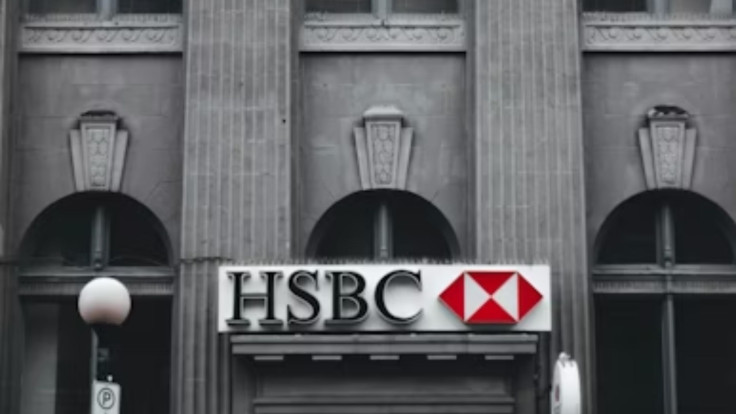
Some of Britain's largest banks are facing scrutiny after it emerged they relied on a flawed net zero study that may have shaped how they assess climate risk and which companies they lend to.
Lloyds, NatWest and HSBC have all acknowledged using analysis produced by the Network for Greening the Financial System (NGFS), a global body that provides climate guidance to banks and regulators. That analysis was partly based on an academic paper which has since been retracted after serious errors were identified.
The disclosure has reignited debate over the growing role of climate modelling in financial decision-making and the risks associated with relying on contested research.
Use of Climate Scenarios
The NGFS, a coalition of central banks and financial supervisors, warned earlier this year that some of its work drew on an inaccurate study. The paper, produced by the Potsdam Institute for Climate Impact Research, claimed climate change could cost the global economy £28.5 trillion ($38tn) a year by 2049 and lead to a collapse in economic output of up to 62pc by the end of the century if emissions continued unchecked.
Those figures were used by the NGFS to help estimate long-term climate risks. The organisation has since confirmed it will revise its approach by the end of next year.
Lloyds, NatWest and HSBC said they had used NGFS scenarios, with some bankers drawing on the research to analyse which sectors were most exposed to the transition to net zero. All three declined to say whether the analysis directly influenced lending or investment decisions.
Pressure to Align with Net Zero
The Bank of England has previously said that banks are increasingly using climate forecasts when deciding which businesses to finance. It said this was partly driven by senior executives seeking to align their institutions with net zero targets.
A 2020 United Nations paper, produced in collaboration with Lloyds and dozens of other banks, also argued that the expected impacts of climate change should be factored into lending decisions.
Critics say this risks pushing banks beyond their traditional role. Andrew Griffith, the shadow business secretary, said the episode highlighted 'the risk of banks straying from their core job of lending into green wokery which they barely understand'.
He added that there should be a sweeping removal of climate-related regulations.
Flawed Data Uncovered
The decision to retract the Potsdam paper followed a review by economists who identified problems with data from Uzbekistan, which significantly distorted the results. When Uzbekistan was excluded, the estimated economic damage from climate change fell sharply.
Instead of a projected 62pc fall in global output by 2100, the revised analysis suggested a decline closer to 23pc. The authors subsequently withdrew the paper.
The revelation has also prompted questions about the use of NGFS scenarios by central banks. Richard Tice, Reform's deputy leader, accused policymakers of 'climate scaremongering' and said central banks should focus on interest rates and regulation.
Banks' Disclosures
In its latest annual report, Lloyds said it relied partly on NGFS scenarios to inform its commercial banking arm about sectors most exposed to climate risk. NatWest made similar disclosures about using the research when assessing risks across its lending portfolio.
HSBC said in a 2024 report for one of its major subsidiaries that its climate scenarios were partly based on NGFS work.
It remains unclear whether the banks will revise their climate analysis in light of the retraction. The NGFS said its scenarios were not forecasts but tools designed to illustrate possible pathways, warning users of ongoing uncertainty and academic debate over the true economic impact of climate change.
© Copyright IBTimes 2026. All rights reserved.
- MOST POPULAR IN Finance & Banking