Ford Cancels Electric F-150 Lightning in $19.5 Billion U-turn, Declares EVs 'Have No Path to Profit'
Model E division has lost over $13 billion in less than three years as flagship electric pickup fails to deliver promised affordability
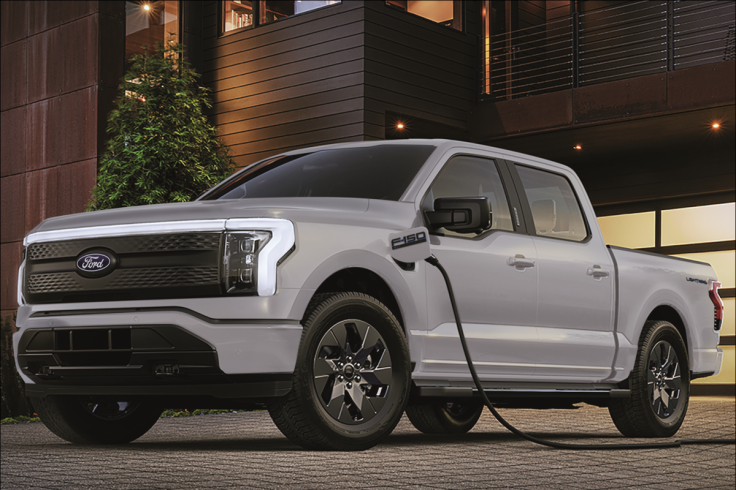
Ford Motor Company has officially discontinued its flagship all-electric F-150 Lightning pickup truck, citing the vehicle and other large battery-powered models as having 'no path to profitability' in a significant strategic shift that will result in a write-down of $19.5 billion (£14.5 billion).
The announcement, made on Monday, raises pressing questions for consumers who invested in electric vehicles under the belief they represented the future of motoring.
What the End of Lightning Means for You
For those who purchased an F-150 Lightning or were considering one, Ford's retreat indicates a fundamental change in how major automakers perceive the electric vehicle market. The truck, which won MotorTrend's Truck of the Year award in 2023 and was named the best electric pickup by Kelley Blue Book for 2024, will be phased out after the 2025 model year. Instead, Ford plans to introduce a new kind of extended-range electric vehicle powered by a petrol generator, capable of offering more than 700 miles on a single tank.
Andrew Frick, president of Ford Blue and Ford Model E, explained: 'The American consumer is speaking clearly, and they want the benefits of electrification like instant torque and mobile power. But they also demand affordability... rather than spending billions more on large EVs that now have no path to profitability, we are allocating that money into higher-returning areas.'
The Staggering Cost of Ford's EV Gamble
The figures paint a stark picture of Ford's electric ambitions falling short. Ford's Model E division has accumulated losses exceeding $13 billion (£9.7 billion) in less than three years, according to Fortune. In the first three quarters of 2025 alone, losses reached approximately $3.6 billion (£2.6 billion). EV sales also suffered, with November's figures plummeting by 61% year-on-year to just 4,247 vehicles.
The Lightning, launched in 2021 with an attractive starting price of around $40,000 (£29,920), failed to meet expectations. The 2025 model now starts at roughly $55,000 (£41,140), pricing out many of the mainstream truck buyers Ford had aimed to attract. NPR reports that Ford was losing money on every Lightning sold, even at the higher price point.
Ford's official statement noted: 'Ford no longer plans to produce select larger electric vehicles where the business case has eroded due to lower-than-expected demand, high costs, and regulatory changes.'
Tax Credit Elimination Accelerates the Collapse
The removal of the $7,500 (£5,610) federal tax credit under the Trump administration dealt a heavy blow to EV demand. Ford CEO Jim Farley warned in September that the loss of this incentive would slash EV sales from about 10-12% of total vehicle sales to just 5%, according to Fortune. Additionally, federal emissions standards that previously incentivised automakers to continue unprofitable EV production are being relaxed, reducing regulatory pressure to keep loss-making models in production.
Frick confirmed that 'changes in the regulatory environment' played a role in Ford's decision to cease Lightning production, NPR reported.
Ford's Plans for a Smaller, More Affordable Electric Future
While Ford is retreating from large EVs, it remains committed to electric vehicles overall. The company is developing a compact electric pickup, expected to arrive in 2027 with a target price around $30,000 (£22,440). By 2030, Ford aims for half of its global sales to include hybrid, plug-in, or fully electric models, up from the current 17%.
Ford's Tennessee Electric Vehicle Centre will be repurposed into the Tennessee Truck Plant, which will produce petrol and hybrid models from 2029. Meanwhile, a battery facility in Kentucky, initially intended for vehicle production, will now manufacture batteries for grid storage.
The company projects Model E to reach profitability by 2029—three years later than the initial forecast of 2026 made in early 2023. The $19.5 billion (£14.5 billion) charge, including a $8.5 billion (£6.3 billion) asset writedown, marks a significant reckoning for an industry heavily invested in electric vehicles, which consumers have shown they are reluctant to fully fund.
© Copyright IBTimes 2026. All rights reserved.
- MOST POPULAR IN Business