

Alleged 9/11 Terror Attacks Architect Khalid Sheikh Mohammed Slated for 2028 Trial After Decades of Delays
Trial date set for alleged 9/11 Architect Khalid Sheikh Mohammed after decades of delays
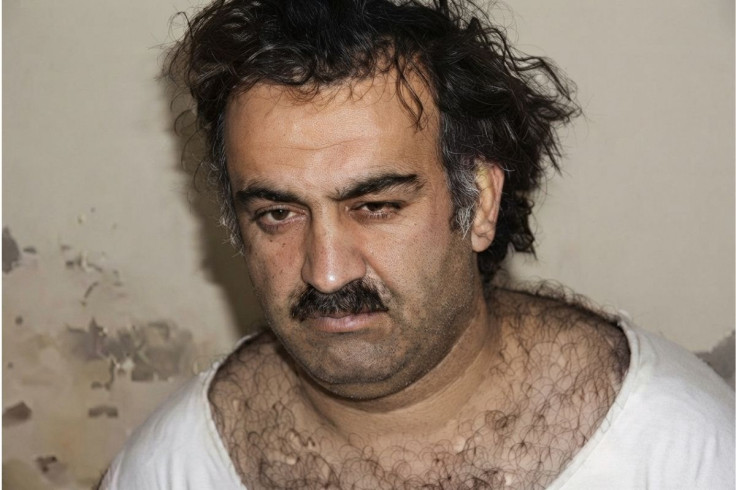
Khalid Sheikh Mohammed, the alleged architect of the September 11 terror attacks that killed nearly 3,000 people, is now scheduled to stand trial in June 2028 — almost 27 years after hijacked planes struck the United States.
Military Judge Lt Col Michael Schrama set the trial date for June 5, 2028, rejecting an earlier request from prosecutors to begin proceedings in January 2027.
Mohammed was captured in Pakistan in 2003 and transferred to Guantánamo Bay in 2006, where he remains detained.
The ruling has put a potential start date one of the longest-running and most closely watched US military commission cases, as the 25th anniversary of the attacks passes.
For families who lost relatives on 9/11, however, a scheduled trial is not the same as a completed case, and major pre-trial issues still remain before a military commission can finally hear the evidence.
Trial Date Set After Decades of Delay
Mohammed, widely known as KSM, is accused of helping to plan and organise the al-Qaeda attacks of 11 September 2001. Prosecutors are seeking the death penalty against him and the other defendants accused of involvement in the plot.
The case also includes Walid bin Attash, Ali Abdul Aziz Ali and Mustafa Ahmed al-Hawsawi. All four face charges connected to the attacks, although the allegations against each man differ, and the proceedings are being conducted through the military commissions system at the US naval base in Guantánamo Bay, Cuba.
The 2028 date represents another significant step in a case that has spent years moving through pre-trial hearings rather than reaching a jury and verdict. Mohammed was captured in Pakistan in March 2003. He was subsequently held in secret CIA custody and was transferred to Guantánamo Bay in September 2006.
The US government publicly announced the transfer of Mohammed and 13 other high-value detainees to Guantánamo in September 2006.
Torture Allegations Have Complicated the Case
One of the biggest obstacles has been the treatment of Mohammed and other detainees in CIA custody before their transfer to Guantánamo.
Mohammed was subjected to waterboarding and other interrogation techniques during the CIA's post-9/11 detention programme, and defence lawyers have argued that evidence and statements obtained after his detention may have been affected by earlier coercion.
This has created lengthy disputes over what prosecutors can legally use at trial.
The issue has given the case a significance beyond the charges themselves, as the proceedings have become a test of whether the military commission system can prosecute the alleged organisers of the deadliest terrorist attack in US history while addressing the consequences of the government's own interrogation practices.
Years of litigation over classified information, evidence, defence access and the rules governing the commissions have also slowed progress.
Legal Disputes and Torture Claims Delayed Proceedings
The 9/11 case has faced repeated interruptions since charges were first brought. Legal appeals, changes in judges and prosecutors, disputes over evidence and practical problems at Guantánamo have all contributed to the delays.
Military commission records show that pre-trial litigation was still continuing in August 2026, with new filings and hearings involving the defendants. A scheduled motions hearing later that month was cancelled, underlining how procedural issues continue to affect the timetable.
The government had sought a January 2027 trial date, but Judge Schrama instead selected June 2028. That decision means the trial, if it proceeds as scheduled, will begin nearly 27 years after the attacks.
Mohammed has been held since his capture in Pakistan in 2003, highlighting the extraordinary length of time between his detention and the proposed start of his trial.
Trial Date Does Not Guarantee Resolution
The newly scheduled date does not guarantee that the trial will begin without further delays.
The case still involves complex legal questions, including disputes over evidence, witness testimony and classified material, and any major rulings could trigger further appeals or require changes to the pre-trial schedule.
For now, however, the June 2028 date provides the clearest timetable yet for the long-delayed prosecution of Mohammed and his co-defendants.
For the families who have waited more than two decades, it is a step forward — but the final verdict, if it comes at all, remains years away.
© Copyright IBTimes 2026. All rights reserved.