

Supreme Court Lifts Key Block on Trump's Mail Voting Order Ahead of Midterms
Court ruling allows Trump administration to pursue controversial mail-in voting changes, impacting upcoming elections
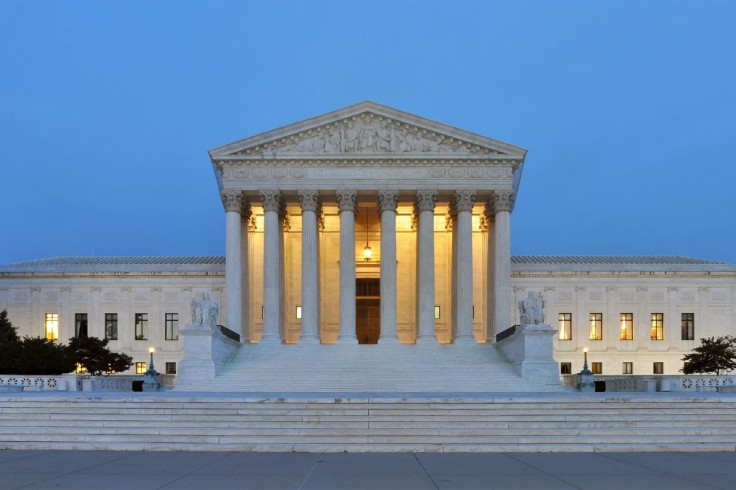
The US Supreme Court has handed Donald Trump a major victory less than 100 days before the 2026 midterm elections, clearing the way for his administration to move forward with controversial restrictions on mail-in voting. The ruling removes a key legal obstacle to a policy that could affect millions of voters. However, another court order means its full impact before November remains uncertain.
The dispute centres on Trump's executive order requiring new procedures for mailed ballots, including the creation of voter lists that would determine who is eligible to receive them through the US Postal Service. Democratic-led states and voting rights groups argue that the changes could disrupt elections and exceed presidential authority.
The timing has made the case especially significant, with states approaching deadlines to print and distribute ballots, including to military personnel and Americans living overseas.
Supreme Court Lifts Injunction but Legal Fight Continues
The Supreme Court sided with the Trump administration over a lower-court ruling that had blocked the executive order in a challenge brought by Democratic officials from 23 states and Washington, DC. The justices did not decide whether Trump's underlying restrictions are constitutional.
Instead, the Court's ruling focused on whether the states could obtain the injunction that had halted the policy. The decision allows the administration to continue pursuing the measures while the wider legal fight continues.
The executive order directs the federal government to establish lists connected to eligibility for mail ballots and would require the Postal Service to apply new rules to their handling. Under the proposed system, states would also face requirements involving voter information and ballot-envelope procedures.
Postal Service Changes Could Affect the Midterms
The practical question now is whether the administration can implement the policy before voters go to the polls. The US Postal Service has already issued a final rule setting out new requirements for states, including voter lists and unique barcodes on ballot envelopes.
Under the rule, the Postal Service could refuse to deliver certain ballots from states that do not meet the new standards. However, another nationwide injunction remains in place, meaning the Supreme Court ruling does not automatically settle every legal challenge.
Further court decisions could still delay, narrow or block the restrictions before the midterm elections. That uncertainty is creating pressure on election officials, with some states required to begin sending ballots within days, particularly to military and overseas voters.
There is little time to redesign envelopes or establish new administrative systems if the rules are ultimately enforced. About 30% of ballots cast in the 2024 election were submitted by mail, according to the Election Assistance Commission.
Democratic States Warn of Voter Confusion as Deadlines Loom
Democratic state officials and voting rights groups have argued that Trump is attempting to impose federal rules on an area largely administered by states under laws passed by Congress. Critics say a sudden change could create confusion for voters and election offices, particularly for people who routinely vote by post.
The groups challenging the order have also warned that eligible voters could face difficulties receiving ballots if state systems cannot meet the new requirements in time. The Trump administration, meanwhile, has presented the measures as an effort to strengthen election integrity.
Trump has repeatedly criticised mail voting and claimed it creates opportunities for fraud, although studies and election officials have found that widespread fraud involving mail ballots is rare.
What the Ruling Means for Voters and What's Still Unresolved
The Supreme Court's decision is a significant procedural victory for Trump, but it is not the final word on his mail-voting agenda. The constitutional and statutory questions surrounding the executive order remain unresolved.
The administration may still face further challenges over whether a president and the Postal Service can impose such requirements on state-run elections. With control of Congress at stake in the midterms, the case has become one of the most consequential election disputes of the year.
© Copyright IBTimes 2026. All rights reserved.