

Amanda Lehan-Canto Podcast Appearance Sparks Massive New Online Debate Over Reclaimed Language Limits
The hosts reportedly gave Lehan-Canto permission before she used the term
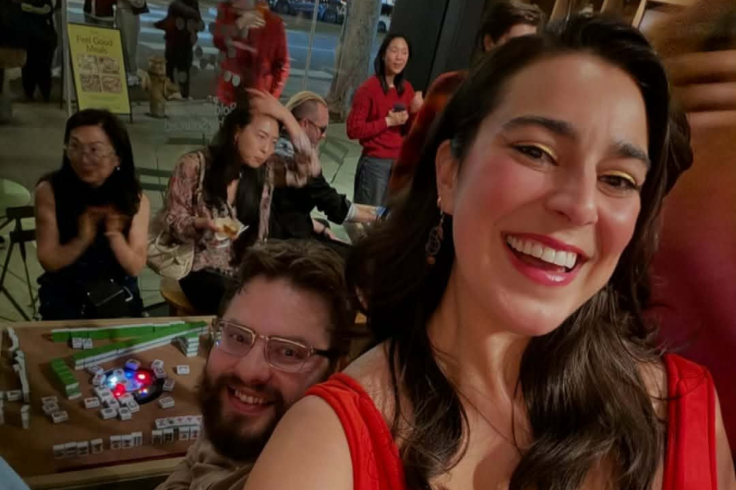
Amanda Lehan-Canto's appearance on the queer podcast Two Dykes and a Mic has sparked a major online debate over the limits of reclaimed language after she used the word 'dyke' during the episode.
Lehan-Canto, known for her work with Smosh, appeared on 'Gay Smut with Amanda Lehan-Canto', released on 25 August. The controversy centres on whether permission and context affect the use of reclaimed slurs.
Amanda Lehan-Canto Asked Before Using the Term
Lehan-Canto's conversation was with Two Dykes and a Mic hosts Rachel Scanlon and McKenzie Goodwin.
Lehan-Canto reportedly asked whether she could say the word, referencing that she had 'heard we're not allowed to say that word anymore'. The hosts reportedly told her that she could use the term.
Lehan-Canto then used 'dyke' during the conversation, and the exchange remained in the published episode.
The podcast itself uses the word in its title and has an 'Ask a D*ke' segment.
Why the Hosts' Permission Matters
The hosts' reported response has become central to the controversy.
Supporters argue that Lehan-Canto recognised the term's sensitivity and asked two lesbian hosts of a podcast built around the word whether she could use it.
Critics have questioned whether permission from two people can establish an acceptable boundary for a wider queer community. They argue that its history as a slur cannot necessarily be overridden by consent in one conversation.
The disagreement has shifted to whether reclaimed language has different boundaries depending on identity, context and permission.
Reddit Divided Over Amanda Lehan-Canto Backlash
The main Reddit thread attracted more than 1,500 upvotes by Thursday, with users sharply divided over Lehan-Canto's comments.
Several commenters defended her, arguing that the hosts had explicitly given her permission. One user said people demanding an apology from Lehan-Canto should also expect one from the hosts because they 'approved of her saying it' and left the exchange in the episode.
Comment
by u/uniquethink from discussion
in smosh
Comment
by u/uniquethink from discussion
in smosh
Comment
by u/uniquethink from discussion
in smosh
Comment
by u/uniquethink from discussion
in smosh
Others remained critical, arguing that the hosts could not give permission on behalf of everyone in the queer community and that Lehan-Canto's use of the term remained inappropriate.
Comment
by u/uniquethink from discussion
in smosh
Amanda Lehan-Canto Apologises for Potential Harm
Following the criticism, Lehan-Canto apologised to members of the queer community whom she said she had offended and hurt.
'I want to acknowledge that I am deeply sorry to the people of the queer community who I've offended and hurt,' she wrote.
She added: 'Truly, I hear your concerns, I'm learning and again I sincerely apologise for any harm I may have caused.'
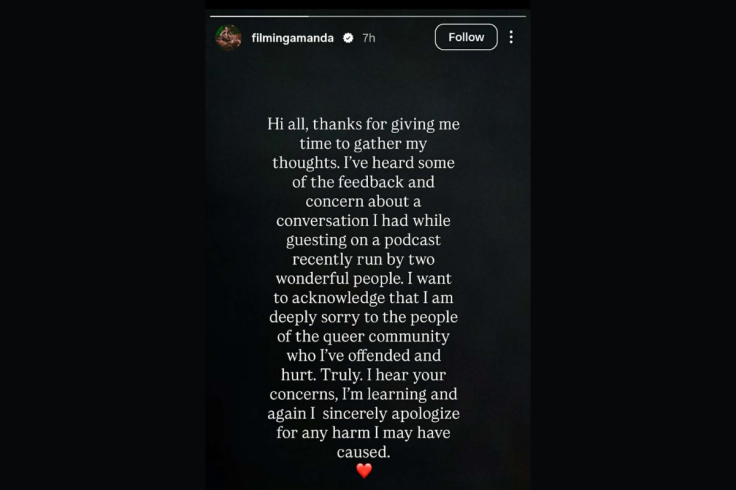
Lehan-Canto did not specifically name 'dyke' in the apology, instead referring broadly to the conversation and potential harm.
The Debate Over Reclaimed Language Limits
The controversy has focused on whether people outside a particular identity can use a term that has historically been used as a slur.
Lehan-Canto reportedly asked the podcast hosts whether she could use the term before saying it, and the hosts gave their permission. That exchange has become a key part of the discussion surrounding the episode.
Some people have argued that the hosts' consent provides context for Lehan-Canto's use of the term. Others have questioned whether permission from individuals can determine whether a reclaimed slur is acceptable for someone outside the group associated with it.
The discussion has therefore centred on the circumstances surrounding the comment, including the permission given before it was said and differing views on who can use reclaimed language.
© Copyright IBTimes 2026. All rights reserved.