Andrew Windsor 'Clinging to Succession' Via Legal Technicality Following Royal Lodge Eviction: Report
Andrew Windsor uses a 'legal technicality' to delay his Royal Lodge move and cling to his line of succession position

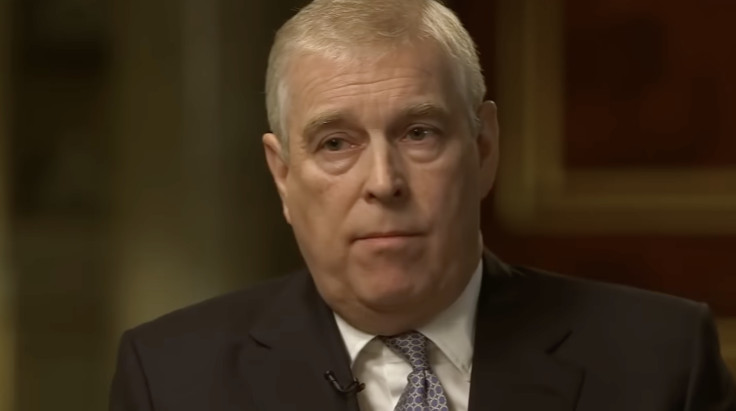
Imagine the sheer audacity: the glare of the global media, the disapproval of a king, and the scorn of the public, yet a disgraced royal still manages to find a loophole — a 'legal technicality' — to keep hold of his sprawling, 30-bedroom mansion and, more crucially, his spot in the line of succession. This isn't the plot of a fictional drama, but the latest development in the downfall of Andrew Windsor.
Accusations are mounting that the disgraced former duke is deliberately exploiting every available legal and constitutional mechanism to delay his inevitable fate, prompting senior figures in the royal family and government to voice their frustration over what they see as a selfish dragging out of the process.
While Andrew Windsor has reportedly agreed to vacate Royal Lodge, sources close to the Palace and government suggest that his departure won't happen by the Christmas deadline set by his brother, King Charles III. Insiders have described the required formalities for giving up the property as 'lengthy' and 'protracted', leading to suspicion and claims of deliberate foot-dragging.
The 'Lengthy Formalities' Over Andrew Windsor's Royal Lodge Exit
The complexity surrounding the property exit, particularly from Royal Lodge, has become a flashpoint for critics. The grand Windsor mansion has been Andrew's residence for years, and now, its relinquishment seems to be tied up in bureaucratic red tape.
A senior royal source claimed, 'He is leaning on every technical step available to slow down his exit from Royal Lodge'. This suggests a calculated effort by Andrew to maintain his status quo for as long as possible. Congressional aides have also reportedly called the volume of references 'shameful', indicating the sheer amount of work involved in processing this highly sensitive departure.
On a less dramatic, but politically sensitive note, officials have pointed out that the slow timeline for Andrew's move does help avoid an awkward clash during the royal family's traditional Christmas gathering at Sandringham. Following his eventual departure from Royal Lodge, the former duke will be relocated to a private property funded personally by the king.
This choice — Sandringham rather than a Crown Estate property such as Frogmore Cottage — is a key move by Buckingham Palace. It reflects a clear desire to avoid the appearance of public money being used to support Andrew's relocation, a decision no doubt driven by the overwhelming negative public sentiment following his association with the Jeffrey Epstein scandal.
The Constitutional Shield: Andrew Windsor's Line of Succession Position
Despite the king formally stripping Andrew of all royal titles and removing his name from the official roll of the peerage over his relationship with Jeffrey Epstein, the shamed former prince, aged 65, remains eighth in line to the throne. Downing Street has confirmed there are 'no plans' to change the law surrounding the line of succession, effectively safeguarding his position. 'He understands the succession rules protect him, and he is holding onto that for dear life', the senior royal source claimed.
Palace insiders have explained that his persistent position in the succession is secured by a constitutional thicket: changing the rules would require complex legislation across all 14 Commonwealth realms. Despite his comprehensive fall from grace, Andrew retains certain key constitutional roles, such as being a Counsellor of State in law, though he will not be called upon to serve in that capacity.
Andrew's downfall has been a drawn-out public spectacle over many years. He has consistently denied sexually abusing the billionaire paedophile's sex trafficking victim, Virginia Giuffre, who took her life aged 41 in April after claiming Andrew bedded her when she was aged 17. The public's opinion on the matter is clear and overwhelming: a new YouGov poll found that 79 per cent of respondents backed the king's move to strip Andrew of his royal titles, though a significant 58 per cent believed the royal family acted too slowly.
Adding to his isolation, the released files surrounding the Epstein scandal have reignited pressure on Andrew to publicly testify. Furthermore, he has been 'blackballed' from every private members' club in London. This mass ban came after he lost his lifetime membership of the Savage Club, a prominent gentlemen's club in the British capital.
The Savage Club, founded in 1857 and known for its bohemian traditions, issued a notice stating, 'The General Committee has resolved that, in light of recent public developments, the Honorary Life Membership previously held by The Duke of York has been withdrawn. This decision has been taken solely in the interests of upholding the Club's established traditions and standards'.
A source commented that the Savage Club's move 'opened the floodgates. All other members' clubs in London have now quietly agreed not to let him in. He is toxic and lost and has nowhere to go but his own home, and he now has to find a new one of those'. The current fight to hold onto Royal Lodge is, perhaps, his final, desperate stand against total exile.
© Copyright IBTimes 2026. All rights reserved.
- MOST POPULAR IN Royals