

Australian Dollar Hits Lowest Level Since March as Markets Weigh AI Regulation After US Midterms
The currency fell 2.3% against the US dollar last week despite the Reserve Bank of Australia raising interest rates to 4.85%
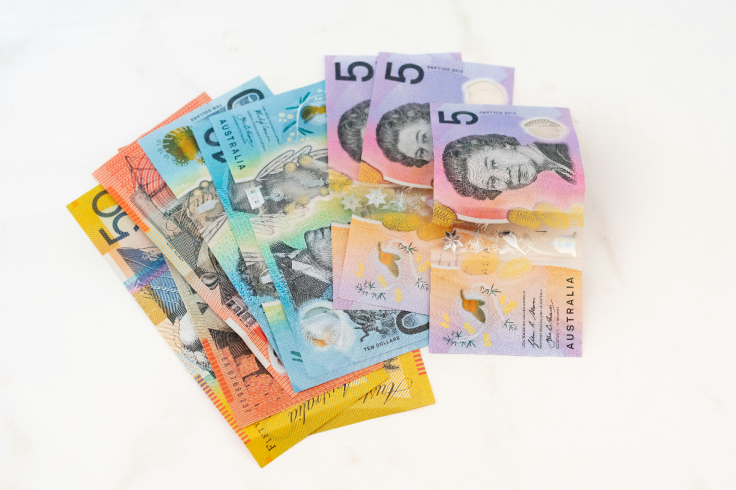
The Australian dollar ended last week at its lowest level since March as investors reassessed interest rates and sold technology shares amid concerns about artificial intelligence (AI) and data centre regulation following the US midterm elections.
The currency lost 2.3 per cent against the US dollar over the week, finishing at about $0.6866 (£0.52), news.com.au reported on 9 November 2026. That made it the weakest performer among Group of Ten (G10) currencies, according to National Australia Bank (NAB) chief economist Sally Auld.
Auld attributed the decline to investors' retreat from risk and a deteriorating Australian economic outlook, describing the combination as 'brutal'.
AI Regulation Fears Drive Technology Sell-Off
Financial technology company Convera linked the market turbulence to concerns about the outlook for AI and data centre regulation following the Democrats' sweeping midterm victory.
In its 5 November update, Convera said AI shares suffered particularly heavy losses during a broader US stock market sell-off. Heading into the close, the Dow Jones Industrial Average was down 3.3 per cent, the Standard & Poor's 500 index had fallen 4 per cent and the technology-focused Nasdaq was down 5.4 per cent.
The Australian dollar dropped 1 per cent against its US counterpart during that session, its largest daily decline since 15 October. The New Zealand dollar fell 0.4 per cent, while the euro was unchanged against the US currency.
Why a Rate Rise Failed To Support the Dollar
Domestic interest-rate expectations added to the pressure after the Reserve Bank of Australia (RBA) raised its cash rate on 3 November.
The increase took the rate to 4.85 per cent, its highest level since 2008, following five increases this year. Six board members backed the increase, while three preferred to leave rates unchanged.
However, the divided decision prompted some investors to reassess the likelihood of further increases. CommSec equity market commentator James Gruber told news.com.au that changing interest-rate expectations were the main reason for the currency's sharp fall.
Markets were then pricing in an Australian rate cut by December 2027, he said, having previously expected rates to remain unchanged next year. By contrast, investors still anticipated a US rate increase by April 2027.
Slowing Growth Adds to Currency Pressure
The domestic outlook offers another source of concern. According to news.com.au, Commonwealth Bank expects annual economic growth to bottom out at 1 per cent in mid-2027 and forecasts a record downturn in house prices.
Its economists also warned that further falls in global shares or crude oil prices could push the Australian dollar lower.
RBA Governor Michele Bullock said on 3 November that the exchange rate had broadly followed differences between Australian and overseas interest rates, alongside commodity prices, Nacionale reported.
Weekly Losses Follow a Stronger Year
Nacionale's 8 November report put the decline in perspective: the currency remained about 6 per cent higher than a year earlier, citing Trading Economics.
Its 52-week range was approximately $0.642 to $0.728 (£0.49 to £0.55), according to Yahoo Finance figures cited by the outlet. Last week stood out for its speed, with the dollar falling from above $0.70 to below $0.69 within five trading days.
AI investment also remains part of Australia's inflation debate. Speaking in Sydney on 9 November, RBA Assistant Governor Sarah Hunter said the spending boom was adding to capacity pressures.
She said those initial inflationary pressures were likely to ease as supply expanded and that, if AI delivered broader productivity gains, economies could produce more with existing resources.
© Copyright IBTimes 2026. All rights reserved.