

Pound at Highest Since Brexit Vote While Markets Gauge Impact of Looming Bank of England Decision
Pound hits its strongest trade-weighted level since the 2016 Brexit vote as markets assess the Bank of England's latest rate rise
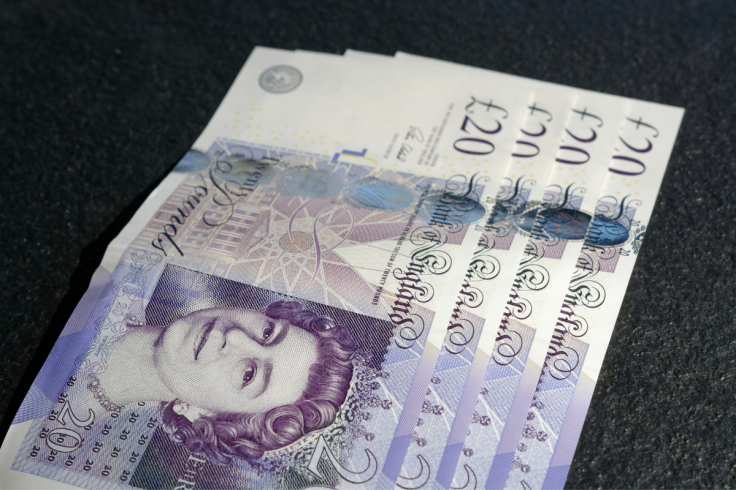
Sterling has climbed to its highest level against a basket of major currencies since the 2016 Brexit referendum, as investors assess the impact of the Bank of England's first interest rate rise in more than three years.
The Bank's trade-weighted sterling index, which tracks the pound against 18 major trading partners, reached 86.4 this week, according to Bank figures. That is its joint highest reading since June 2016.
At 04:15 GMT on Thursday, the pound was up 0.13 per cent against the US dollar at $1.3495 and down 0.16 per cent against the euro at €1.1979.
The index gives a broader measure of sterling's performance than individual dollar and euro rates, because it weights currencies according to the UK's trading relationships. It uses 2005 as its base year, when it stood at 100, so the pound remains below that benchmark.
Markets Poised for Bank of England Call
The Bank's nine-member Monetary Policy Committee voted 8–1 to raise Bank Rate from 3.75 per cent to 4 per cent, marking the first increase since August 2023. One member voted for a larger increase to 4.25 per cent. The decision was announced on Thursday, 5 November.
Higher interest rates can support a currency by making assets denominated in it more attractive to investors. However, the effect depends on expectations about future monetary policy and on whether a rise has already been reflected in exchange rates.
Shifting Views on Brexit and the Pound
Some market participants suggest investors are becoming less focused on the long-term consequences of Brexit when assessing the pound. They point to stronger-than-expected economic indicators, relative political stability and improving relations between the UK and the European Union.
Jim O'Neill, an economist and former Commercial Secretary to the Treasury, said he was not surprised by the move. He argued that investors had underestimated the UK's improving economic momentum, and still do to a lesser extent.
Sterling fell after the June 2016 referendum, when voters backed leaving the EU. It came under further pressure during the Brexit negotiations and the Covid-19 pandemic, and fell again after the September 2022 mini-Budget, when the government's proposed tax cuts and spending measures unsettled financial markets.
The latest recovery does not reverse those losses, but it may indicate that some of the political and economic concerns weighing on the currency have eased.
Winners, Losers and the Wider Economy
A stronger pound can reduce the sterling cost of imported goods, including fuel, food, cars and electronics. Depending on how much of the exchange-rate movement businesses pass on to customers, that could help ease inflationary pressure. It also increases holidaymakers' spending power abroad.
There are drawbacks. A stronger pound can make some British exports more expensive for overseas customers, potentially affecting demand and manufacturers' competitiveness. UK-listed multinationals with substantial overseas earnings may also see the sterling value of those profits fall, although the impact varies with their currency exposure and hedging arrangements.
Rising fuel and energy costs could also put pressure on household finances and consumer confidence, potentially testing the economic backdrop that has helped to support sterling.
© Copyright IBTimes 2026. All rights reserved.