

Why International Money Keeps Flowing Into Barcelona Property
Exploring the dynamics of Barcelona's real estate market amidst rising prices and policy changes.
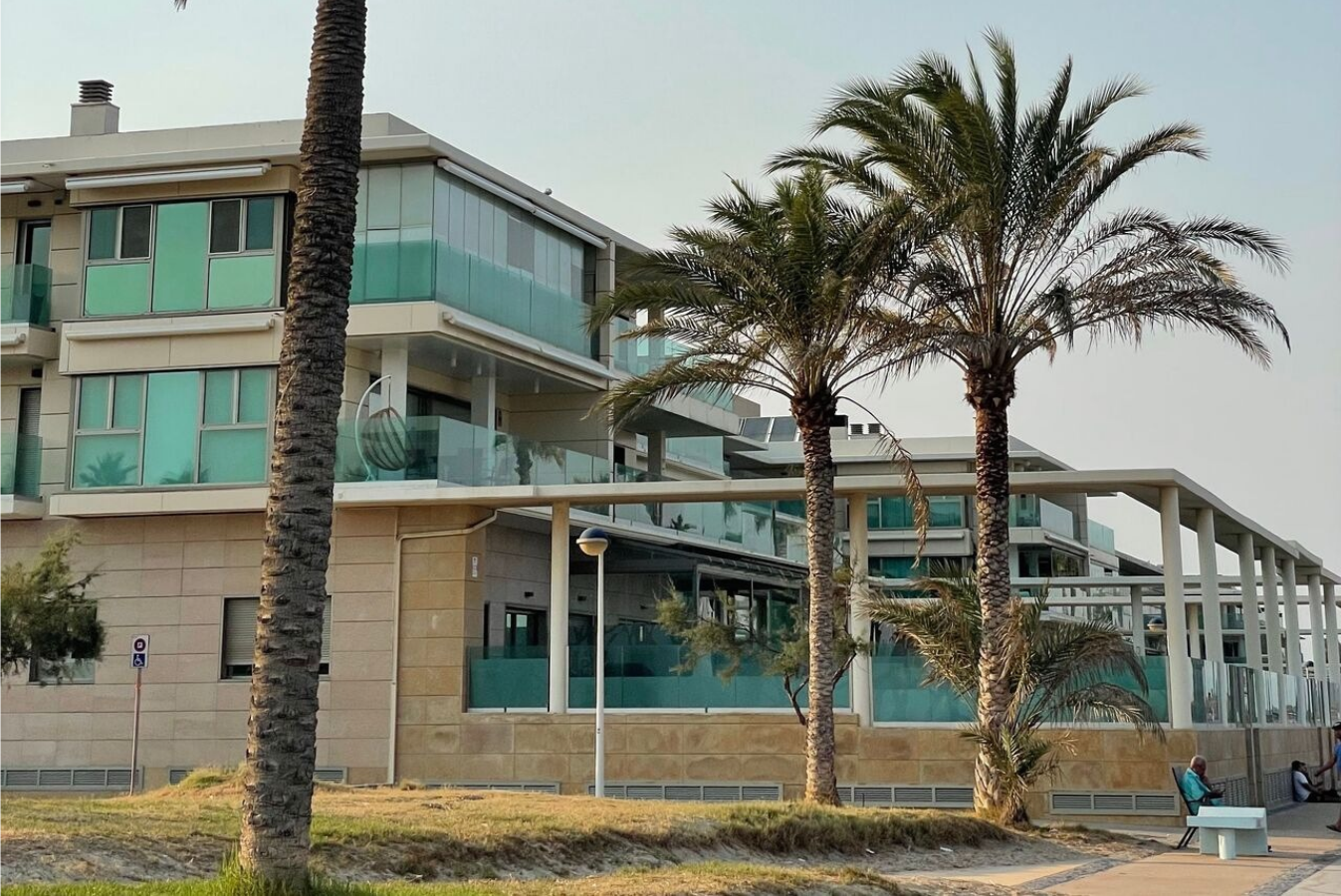
Barcelona's house prices did not pause for anyone last year. The Colegio de Registradores put the average price for the city at €4,538 per square metre in the first quarter, third-highest in the country, and by the third quarter that figure had climbed to €4,719. The milestone of €5,000 is now a question of when, not if.
Spain as a whole moved in the same direction, with the house price index 26% above its 2007 peak. Registered sales nationally ran at a 19.9% year-on-year increase, which tells you this isn't a price story driven by scarcity alone: transaction volume is up too.
Buyers trying to keep up with the pace of change are rarely relying on generic portal search anymore. Brokerages built specifically for the local market, like Real Estate Barcelona, track which streets and buildings are actually moving in real time. When things move fast, up-to-date knowledge becomes more important.
The Friction Buyers Absorb Anyway
None of this has pushed the market toward cash-only or informal routes, which is what rising prices can sometimes do.
In the third quarter, 123,483 mortgages were registered across Spain, around 70% of all transactions, in line with the market's long-run average. Foreign buyers go through the same paperwork as anyone else:
- An NIE number
- A Spanish bank account
- The standard conveyancing steps
Even at this higher price level, financed and properly documented purchases remain the default.
Where the Demand Actually Lands
Demand is not distributed evenly across the city. It concentrates in a handful of named districts: Eixample, Zona Alta, Ciutat Vella and Diagonal Mar. Each has its own buyer profile and price band.
Eixample draws buyers seeking period apartments; Diagonal Mar attracts those looking at newer waterfront stock. The legal and tax side of a purchase in these areas means it carries both risks and opportunities worth understanding before committing.
Two Policy Shocks, One Still-Rising Market
2025 brought two threats to foreign buying power. In April, Spain's Golden Visa closed for good. The Organic Law 1/2025 ended the 12-year-old scheme that had allowed non-EU nationals to secure residency through a €500,000+ property purchase.
Only Italy, Greece, Malta and Cyprus still run an equivalent EU programme, and those too face increasing scrutiny amid concerns over non-EU immigration.
Then in May, the government submitted a housing bill to Parliament proposing a tax of up to 100% of a property's value on non-EU, non-resident buyers. It cited 27,000 such purchases in 2023 as justification, while explicitly exempting German, Dutch and other EU nationals.
UK citizens are Spain's single largest foreign-buyer nationality, which puts them directly in the proposal's path if it ever passes. Yet Catalonia's foreign-buyer share barely moved across both shocks: 15.6% of transactions in the first quarter, 15.1% in the third.
If anything, the threat of the second measure may have pushed some buyers to act sooner rather than wait. British buyers remain the largest nationality group in the latest data, ahead of Germans, Dutch and Romanians.
What that consistency tells you is that the underlying demand for Barcelona property is not primarily policy-driven. Regulatory risk is real, but it hasn't been enough to move the needle on who is actually buying or how much they are spending.
That is the more useful data point for anyone deciding whether to act now or wait for clarity.
© Copyright IBTimes 2026. All rights reserved.