DHS Claims Deportations Are Linked to Rent Drops as Experts Cite Supply, Demand and Labour Factors
The agency cited rent declines in several US cities but did not explain the indexes or calculations behind its figures, while housing experts highlighted possible effects on construction
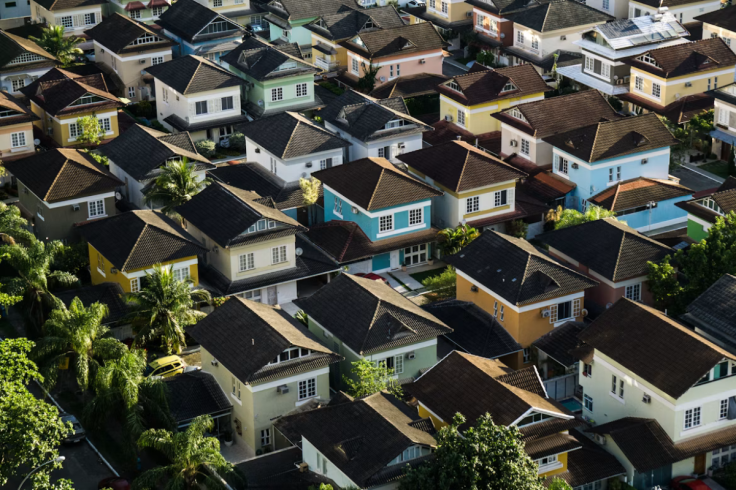
The Department of Homeland Security has claimed that mass deportations carried out by Immigration and Customs Enforcement are contributing to lower rents in several US cities, saying tougher immigration enforcement is helping reduce living costs. In a post on X, DHS said it was 'reducing your rent, especially in states that cooperate with ICE', but did not identify the sources or methodology behind the figures it cited.
The agency wrote, 'Want lower cost of living: support mass deportations.' It said Texas accounted for about a quarter of ICE arrests in July and highlighted rent declines of 4.8 per cent in San Antonio, 4.3 per cent in Austin, about 3 per cent in Dallas and Houston, 2.6 per cent in Miami, 4.2 per cent in Phoenix, 3.2 per cent in Atlanta, 5.3 per cent in Nashville and 8 per cent in New Orleans.
DHS Mass Deportations Claim Faces Data Questions
DHS attributed the figures to unspecified 'research' showing that 'illegal-worker inflows push rents and home prices up'. The agency added that the inflow had been reversed in states carrying out the hardest interior enforcement.
However, the source material says DHS did not identify the rental indexes, datasets or calculations used for its city-by-city figures. It also says several percentages did not correspond with major publicly available rental indexes, leaving the precise basis for the agency's comparison unclear.
The research DHS referred to was reportedly a working thesis by Daniel J. Wilson of the San Francisco Fed and Xiaoqing Zhou of the Dallas Fed. The thesis linked a surge in illegal immigration under President Joe Biden to higher housing prices, although other economists and housing experts cited in the source identified 'inherent problems' with its methodology.
Mass Deportations Could Affect Construction Labour
The housing picture is not limited to rents. Some metropolitan areas named by DHS were already undergoing adjustments in housing prices and rents alongside a surge in new apartment and multifamily construction.
The source also says the US construction industry employs nearly 1.6 million undocumented immigrants, citing figures based on US Census data and labour surveys referenced by the American Business Immigration Coalition. That creates a competing concern for housing supply because removing construction workers could reduce the labour available for new building.
Daryl Fairweather, chief economist at Redfin, said large-scale deportations could 'help free up some housing' from a housing-market perspective. But she also warned, 'Immigrants play a significant role in construction, and reducing labour supply tends to raise building costs and slow new home production.'
Housing Experts Warn Of Higher Building Costs
Danielle Hale, chief economist at Realtor.com, previously said restricting immigration could make it 'more difficult for companies to hire workers in the near-term', with the impact likely to be acutely felt by a construction industry employing many foreign-born workers, according to a statement to Newsweek cited in the source.
The National Association of Home Builders has similarly argued that fewer available workers resulting from mass deportations can delay construction, raise labour costs and ultimately increase housing prices.
A Reuters investigation from July 2025, cited in the source, described a $20 million recreation centre project near Mobile, Alabama, that went from being on schedule to facing about a three-week delay after an ICE raid in Florida.
The supplied evidence does not establish that mass deportations caused the rent declines cited by DHS. It instead presents competing housing effects, with fewer people potentially freeing up housing while a reduced construction workforce could slow new supply and increase building costs.
© Copyright IBTimes 2026. All rights reserved.
- Recommended For You