Samuel Leeds: Britain's Housing Market Hasn't Crashed And That's the Bigger Concern
Property expert Samuel Leeds highlights the dangers of a stagnant UK housing market.

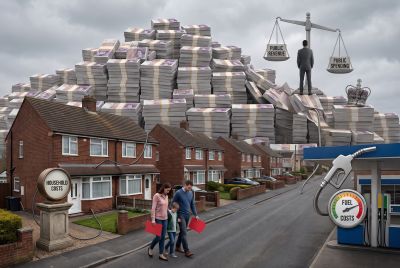
Property entrepreneur Samuel Leeds, whose warning to homeowners has gone viral this week, argues a frozen market is trapping a generation in a way a crash never would. A video warning that Britain is sleepwalking into a housing trap has racked up hundreds of thousands of views in a matter of days, and the man behind it is not predicting the crash most homeowners fear. He is warning of something he believes is worse.
Samuel Leeds, a property investor and trainer who has spent close to two decades buying and letting homes across the UK, argues that the market has not collapsed so much as seized up, and that a freeze does far more quiet damage than a sudden fall in prices. "A crash resets the market. Prices drop, buyers come back, life moves on," Leeds said. "A freeze traps everybody. Sellers cannot sell, buyers cannot buy, and millions of people are stuck in homes and mortgages they took on under completely different conditions. That is the part nobody is talking about." The numbers lend his framing some weight.
Average UK prices have barely moved over the past year, sitting at roughly £270,000, having climbed steeply during the pandemic before stalling. Beneath that flat headline, the market is splitting sharply by region, with prices still rising across much of the North, Scotland, and Wales, while London has slipped.
Sales agreed upon are running a few percent below last year, and average mortgage rates have pushed back above five percent after the relative calm of recent months, squeezing both buyers and landlords. Leeds is most animated about the homes sitting idle while younger buyers are priced out. Official figures show more than 300,000 properties in England have stood empty for over six months, and once second homes and other long-term vacancies are counted, more than a million are not in permanent use.
"We are told there is a shortage of houses. There is a shortage of money, not houses," Leeds said. "There are over a million homes not being lived in properly, and at the same time we are telling young people the door is closed to them. Those two facts should not be able to exist in the same country." His diagnosis is bleak, but his conclusion is not.
Leeds argues that the same conditions creating the squeeze are quietly creating the best buying conditions in years for those who understand them, pointing to motivated sellers, stalled portfolios and landlords looking for the exit. "Every difficult market in history has made somebody wealthy and made somebody poor, and the difference is almost never how hard they worked," he said.
"It is whether they understood what was actually happening in front of them or just believed the headlines." It is a message that has made him a divisive figure. A blunt, estate-raised Midlander who challenges received wisdom about money and property, Leeds attracts both a large and loyal following and his share of critics. He appears unbothered by either. Raised on a council estate in Walsall, he has spoken openly about a difficult childhood and a school career that gave little hint of what followed.
Samuel now spends much of his time training others, a vocation he traces directly back to the years he spent believing that building wealth was something that happened to other kinds of people. Whether his optimism is justified will depend on forces well beyond any one investor's control, from interest rates to a global picture that remains unsettled. But his central claim, that a frozen market is a slow and underestimated kind of crisis, is one a growing number of people appear ready to hear. "People keep waiting for the crash that tells them it is safe to act," Leeds said. "The crash is not coming. The freeze already has. The question is what you do while everybody else is standing still."
© Copyright IBTimes 2026. All rights reserved.
- Recommended For You