

Homeowner Gets $3,000 Tax Bill Months After Selling His House: How One Document Can Save Thousands
An unexpected county tax notice highlighted why sellers should review how property taxes were prorated at closing
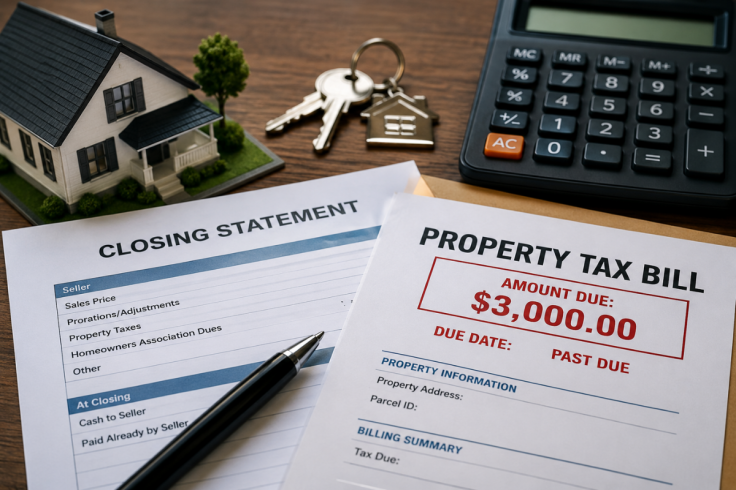
A homeowner was stunned to receive a county letter demanding more than $3,000 (£2,200) in property taxes months after selling the property, despite being told at closing that every outstanding balance had been settled.
According to the homeowner's post, the property was sold in April 2026. After receiving the notice, the former owner contacted the county and was told the tax bill had been issued to both the previous owner and the new homeowner. County staff also warned that unpaid property taxes could eventually lead to foreclosure proceedings against the property.
The situation raised a common question for homeowners: who is responsible when a property tax bill arrives after ownership has already changed hands?
Closing Documents Usually Provide the Answer
In most real estate transactions, property taxes are divided between the buyer and seller during closing through a process known as tax proration. The allocation is recorded on the closing statement, also called the settlement statement or Closing Disclosure.
The Consumer Financial Protection Bureau (CFPB) requires Closing Disclosures to itemise adjustments for prepaid and unpaid property taxes, including county taxes and the period each party is responsible for covering. Because of this, homeowners who receive an unexpected tax notice after selling a property should first compare the county's assessment with the figures listed in their closing documents before assuming they owe the balance.
Why Tax Bills Can Arrive After a Sale
Receiving a property tax notice after selling a home does not automatically mean the former owner is responsible for paying it. Property tax billing schedules differ by state and county. Some jurisdictions issue bills that cover earlier assessment periods, while ownership records, mortgage servicers, and local tax offices may update on different timelines.
As a result, tax notices can still be mailed to a previous owner even after the sale has been completed. Federal Closing Disclosure requirements also recognise that unpaid or prepaid property taxes may need to be adjusted between the buyer and the seller at closing, depending on when taxes are assessed and collected.
Review the Paperwork Before Paying
Although the county warned that unpaid property taxes can eventually become a lien against a property, receiving a notice does not necessarily mean the seller must pay the entire amount.
Instead, homeowners should review their closing statement and any tax proration worksheet prepared during settlement. Those documents show whether funds were already collected to cover the seller's share of the year's taxes and how responsibility was allocated between both parties.
If the county's records differ from the closing paperwork, the title or escrow company that handled the transaction can explain how the taxes were calculated and determine whether a billing adjustment or administrative correction is required.
Why Sellers Should Keep Their Closing Records
Many homeowners assume their responsibilities end once a property changes hands, but tax notices and other post-closing questions can still arise months later. Keeping copies of the Closing Disclosure, settlement statement, and other transaction records can make it easier to verify how expenses were allocated if questions emerge after the sale.
Those documents can also help resolve issues involving tax proration, escrow adjustments, or other closing costs without relying solely on county records, which may take time to reflect ownership changes. Having complete records readily available can speed up discussions with the title company, local tax office, or mortgage servicer and help avoid unnecessary disputes over who is responsible for outstanding charges.
© Copyright IBTimes 2026. All rights reserved.