The $60K Florida Retirement Trap: Condo Owners Face Huge Bills They May Never Have Budgeted For
Insurance is just part of the cost for Florida condo owners; repairs and reserves can lead to major unexpected bills

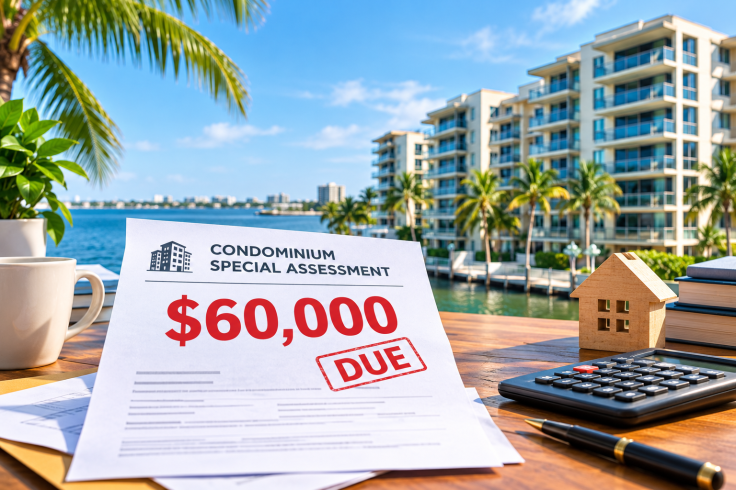
Florida retirees who prepared for rising insurance premiums may be facing a different expense capable of disrupting a carefully planned budget: a condominium special assessment that can run into tens of thousands of dollars.
A 21 September report by 24/7 Wall St. said assessments at older Florida condominium buildings can range from about $50,000 to six figures. The costs are linked to structural inspections, repairs, and reserve requirements that followed the 2021 Surfside condominium collapse.
For retirees living on fixed or predictable income, the difference matters. Insurance is a recurring expense that can be incorporated into an annual budget. A special assessment can require a large payment over a much shorter period.
The Bill Retirees Did Not Expect
Florida insurance costs have risen sharply in recent years, making premiums a major consideration for people planning to retire in the state. But condominium owners also have to consider the financial condition of the building itself.
Under Florida's condominium rules, qualifying buildings that are three stories or more can be subject to milestone structural inspections. The first inspection is generally required by the end of the year when a building reaches 30 years of age, with local authorities able to require an earlier 25-year inspection in certain circumstances, including environmental conditions such as proximity to salt water. Subsequent inspections are generally required every 10 years.
The rules also require qualifying condominium associations to maintain reserves for specified structural and building components based on a Structural Integrity Reserve Study. For budgets adopted after 31 December 2024, owners generally cannot vote to underfund or waive required reserves for those components, subject to statutory exceptions.
Why Assessments Can Reach $60,000
The purpose of the rules is to identify and address structural problems and ensure that associations have money available for major repairs. But buildings that previously had insufficient reserves may need to raise substantial sums. That can result in special assessments. Florida law permits reserve funding for covered items through regular assessments, special assessments, lines of credit or loans, subject to statutory requirements.
A $60,000 assessment is significant when compared with household spending. The US Bureau of Labor Statistics reported average annual expenditures of $78,535 for all US consumer units in 2024. The figure is not specific to retirees, but a $60,000 bill would equal about 76% of that average annual expenditure.
The tax consequences can also vary depending on how a retiree pays the bill. A large taxable retirement-account withdrawal may increase taxable income and, depending on the person's circumstances, affect income-based costs such as Medicare's Income-Related Monthly Adjustment Amount. It would not affect every retiree in the same way.
Selling the Condo May Be Complicated
Selling can appear to offer a way out, but an assessment or unresolved structural issue can become part of the buyer's decision. Florida law contains disclosure requirements concerning milestone inspections and Structural Integrity Reserve Studies. For certain residential condominium sales after 31 December 2024, contracts must contain a conspicuous statement when a required inspection or reserve study has not been completed.
Buyers can also review association records, financial information, and inspection material before deciding whether to proceed. That can make an outstanding assessment or major repair obligation relevant to negotiations.
What Buyers Should Check
Retirees considering an older Florida condominium should review the latest Structural Integrity Reserve Study, milestone inspection report, reserve funding, and recent association records. They should also ask whether a special assessment has already been approved, whether one is being considered, and how much condominium fees have changed over time.
The issue is particularly relevant to owners of older condominium buildings subject to Florida's structural inspection and reserve requirements. It does not mean every Florida condominium owner will face a $60,000 assessment.
For retirees, however, the potential cost is another part of the ownership calculation. A property may appear affordable based on its purchase price and insurance premium, but the building's reserves, inspection results, and pending repair obligations can materially change the cost of staying there.
© Copyright IBTimes 2026. All rights reserved.
- Recommended For You